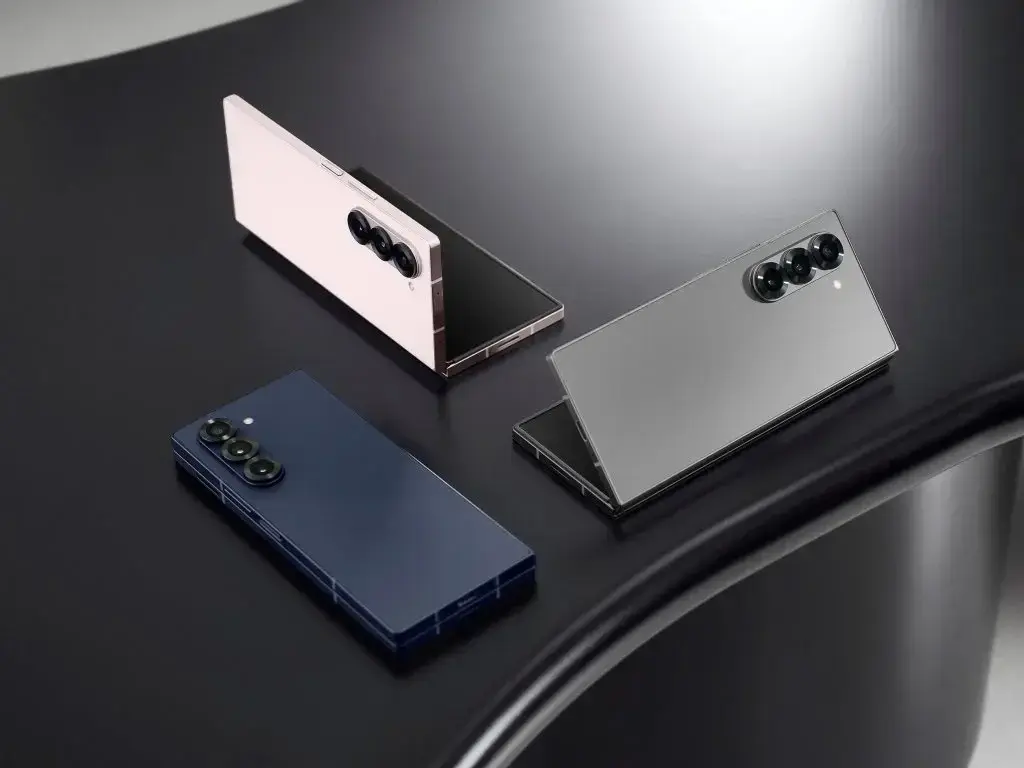
If you’ve spent any time at CES 2026, you’ve seen the hype. Samsung Display was practically doing victory laps around their latest foldable panel, claiming they’ve finally cracked the code on the dreaded screen crease. Now, a fresh report from DealSite suggests this "holy grail" tech is actually headed for the Galaxy Z Fold 8 this summer.
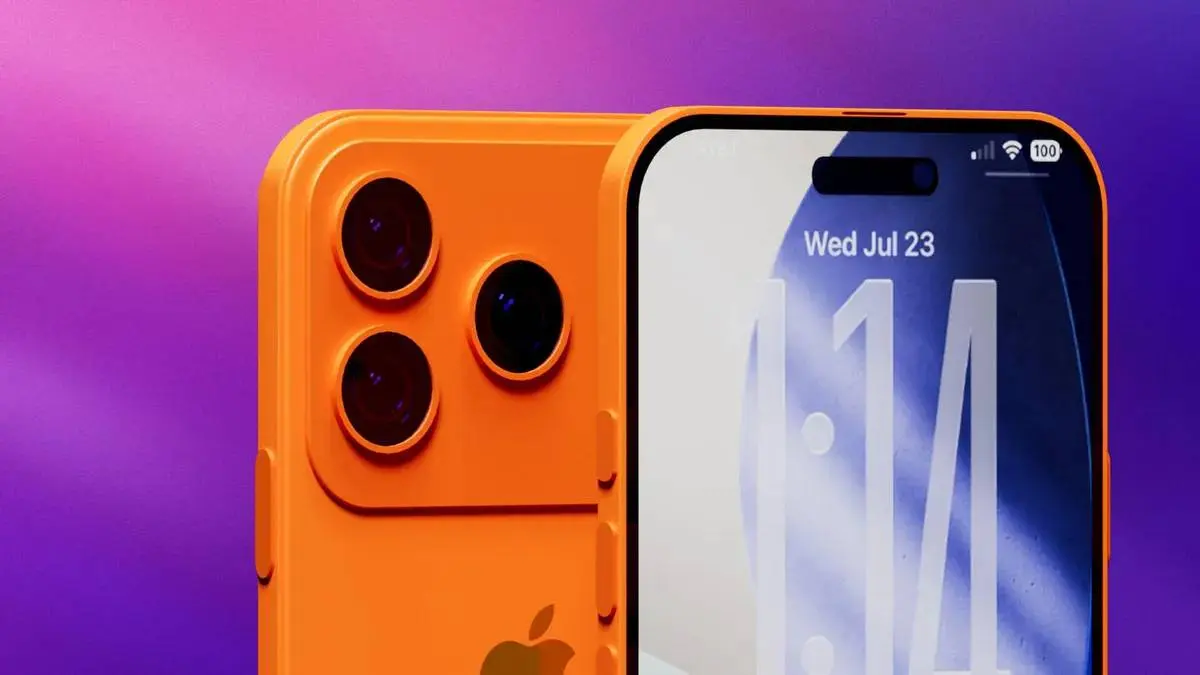
The promise? A 20% reduction in crease visibility.
I’ll be honest—I’m always a bit wary when companies put a percentage on "visibility." How do you even measure that? Is there a guy in a lab with a protractor? Still, the engineering behind it is legit. Samsung is reportedly moving to a Dual UTG (Ultra Thin Glass) setup. Instead of just a single glass layer on top, they’re sandwiching the OLED panel between two of them. It’s a bit like adding a second layer of plywood to a floor; it just makes the whole thing feel more "real" and less like a flimsy piece of plastic.

Key Points
- 20% Crease Reduction: New display tech aims to cut visible depth significantly over the Fold 7.
- Dual UTG Structure: Samsung is reportedly adding Ultra Thin Glass to both the top and bottom of the panel.
- Laser-Drilled Support: A metal backplate with micro-perforations helps spread the folding stress.
- Apple Rivalry: While Samsung uses metal, the upcoming iPhone Fold may opt for a glass-based substrate.
- Summer Launch: The Galaxy Z Fold 8 is expected to debut in July or August 2026.
Laser Drills and Metal Plates
But the real secret sauce isn't just the glass. It’s the backplate. Rumor has it Samsung is using a laser-drilled metal support plate under the display. These microscopic holes are designed to disperse the mechanical stress of folding across a wider area, rather than letting it settle into a single "valley" in the middle.

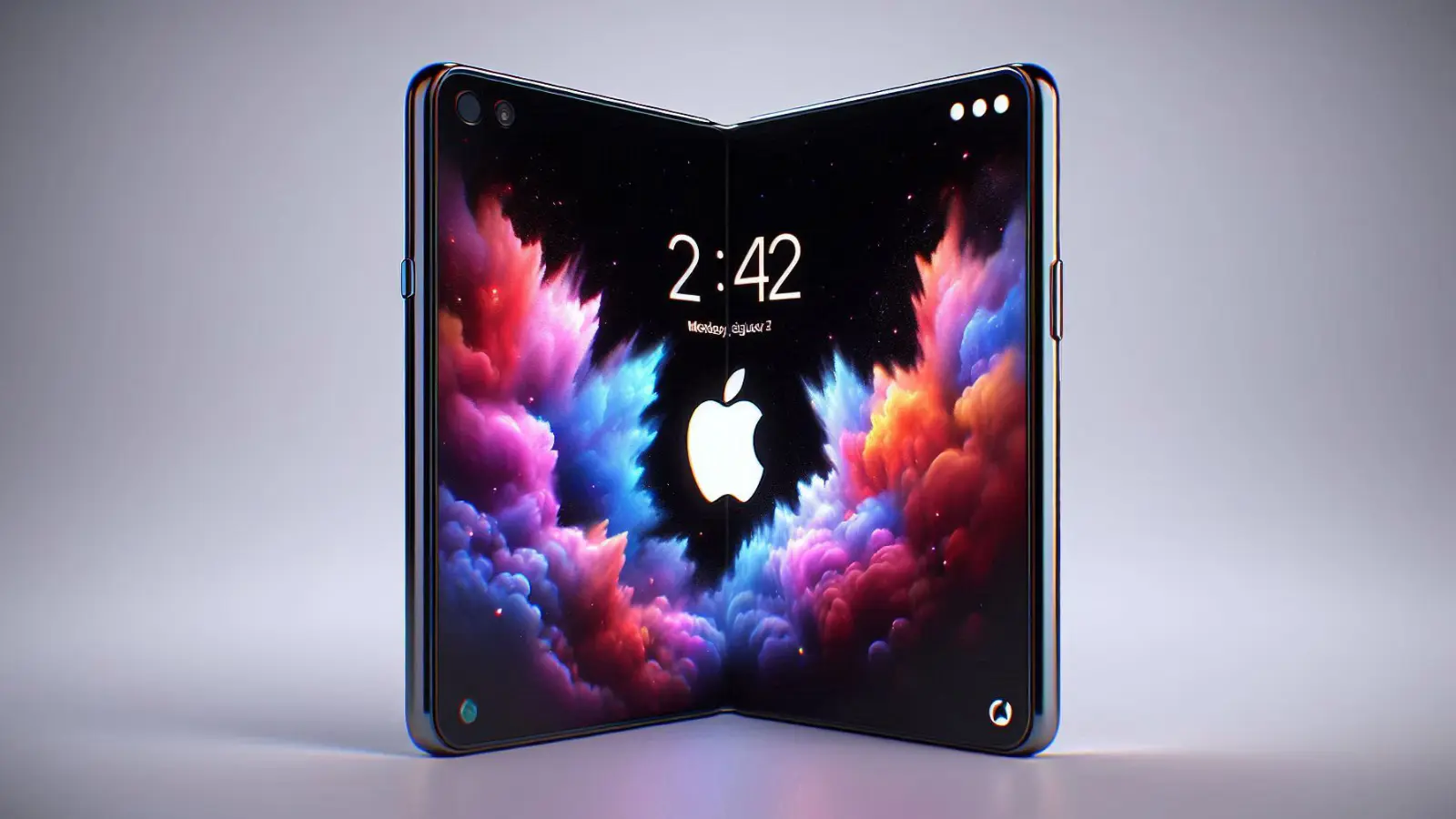
What’s hilarious is that Apple is reportedly watching this very closely. We know an iPhone Fold is looming (likely for September 2026), but Apple is supposedly sticking to a glass-based substrate instead of metal. It’s a classic Samsung vs. Apple showdown: brute-force metal engineering versus high-end material science.
Does it actually matter?
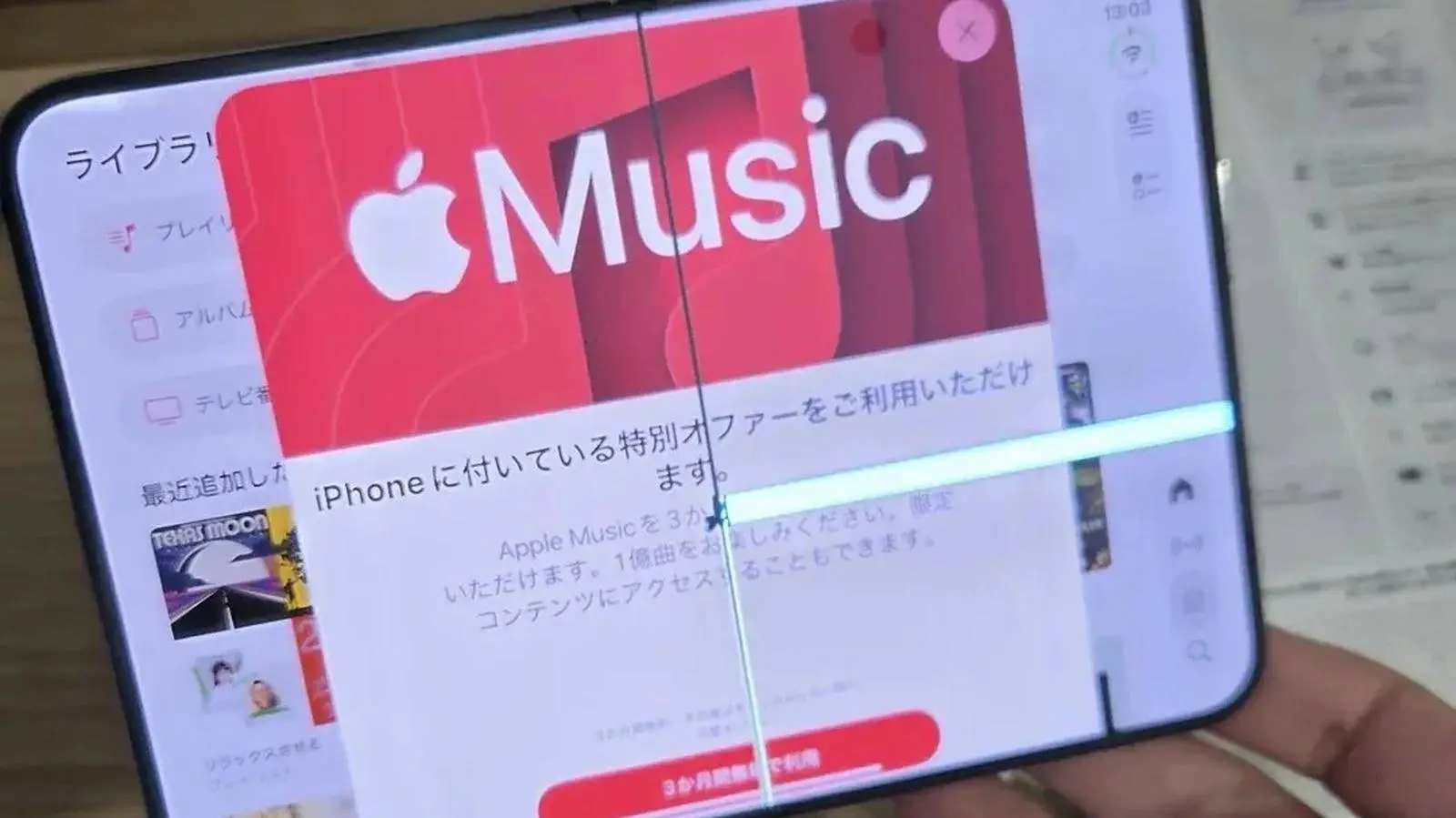
I’ve been using foldables since the original Fold 1, and I’ve learned to "eye-tune" the crease out of my brain. But for the average buyer who is dropping $1,900 on a phone, that seam is still a dealbreaker.
If Samsung can actually deliver a "near-creaseless" experience—one that doesn't develop a deep groove after three months of use—then the Fold 8 might finally be the one that moves foldables from "cool tech demo" to "daily driver" for the masses. I’m skeptical, as always, but that demo at CES was hard to ignore.
Popular News
Latest News
Loading