We've got more details about the iPhone Fold and iPhone 18 Pro
AppleSaturday, 17 January 2026 at 00:09
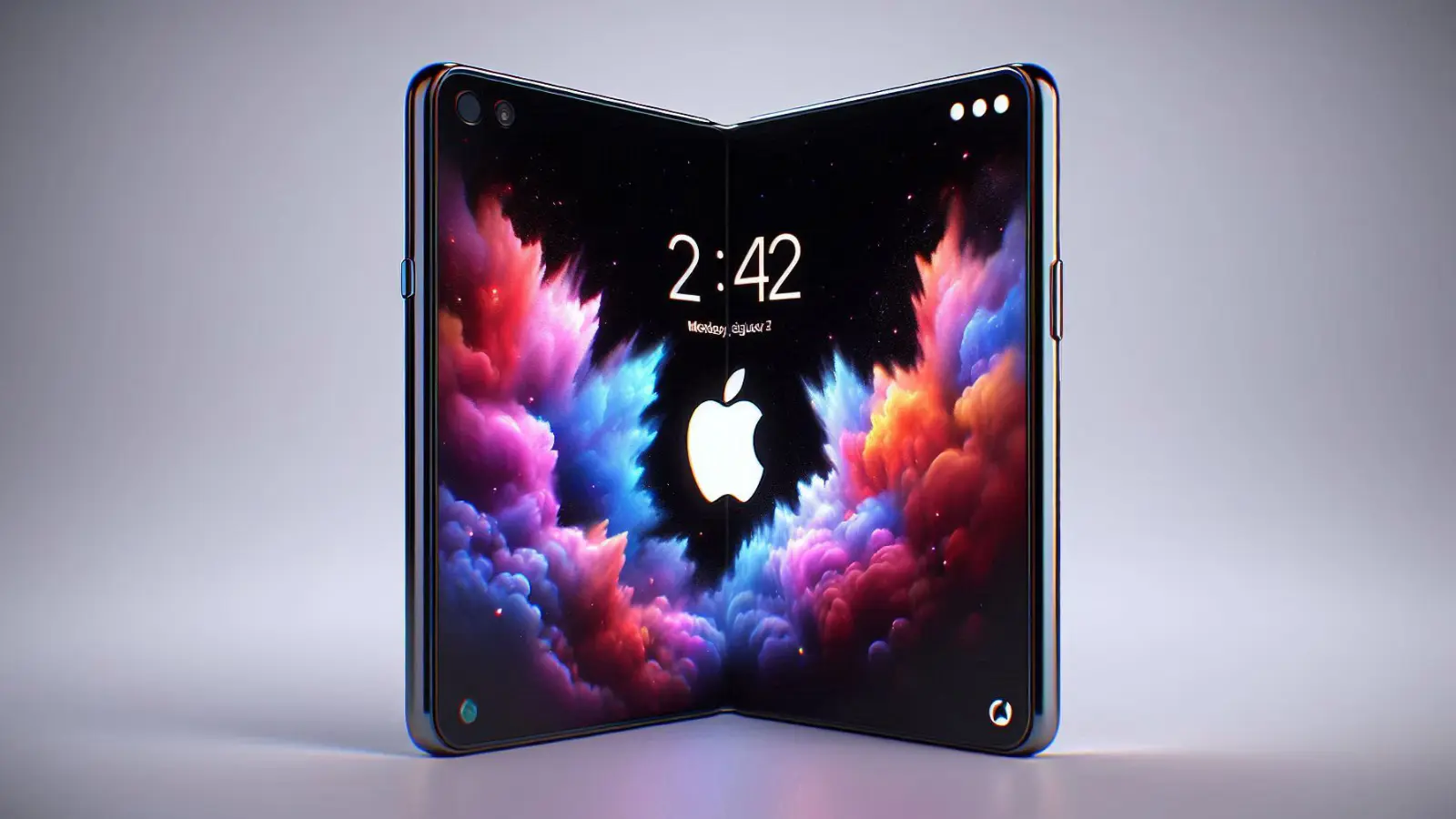
Apple is reportedly moving closer to its long-rumored foldable iPhone, with fresh data suggesting that internal testing has entered a critical stage. While Cupertino remains officially silent, recent leaks from Jeff Pu of GF Securities and the insider Digital Chat Station indicate a dual-track strategy for the September launch.
Key points
- The iPhone Fold features a 7.8-inch inner display and a 5.3-inch cover screen with Touch ID.
- iPhone 18 Pro models will transition to under-display Face ID and a smaller punch-hole.
- All premium iPhones will run on the 2nm A20 Pro chip with 12GB of integrated RAM.
- A new 48MP triple-lens system with variable aperture is expected for the Pro series.
- Standard iPhone 18 models are rumored to be delayed for a split-launch strategy.
The company is preparing to unveil its first foldable alongside the iPhone 18 Pro lineup. This marks the most significant shift in the iPhone’s design language since the transition to the "X" model. This move isn't just about following a trend. It's about a total re-engineering of the user interface through iOS 30. Something which is being built to bridge the gap between pocketability and tablet-level productivity.
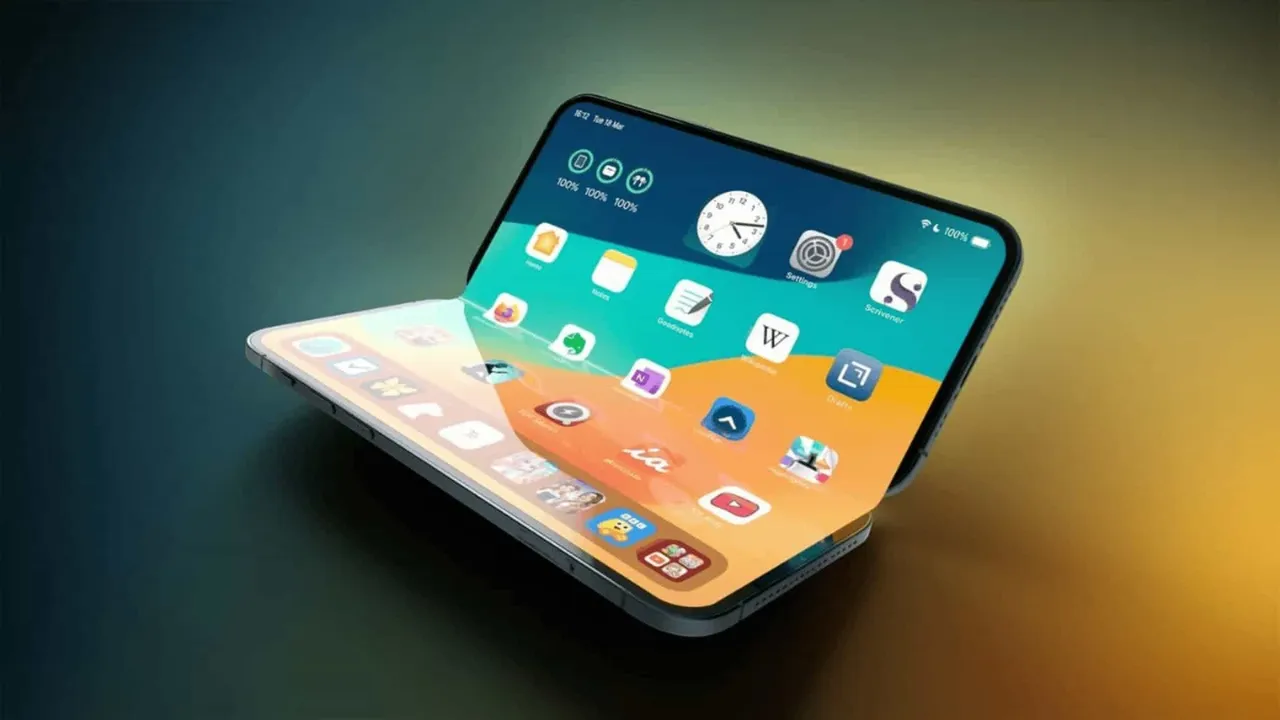
The iPhone Fold (tentative name) is expected to arrive as a major industry-level product rather than an experimental first attempt. The device is tipped to feature a 7.8-inch inner OLED panel paired with a more compact 5.3-inch outer cover screen.
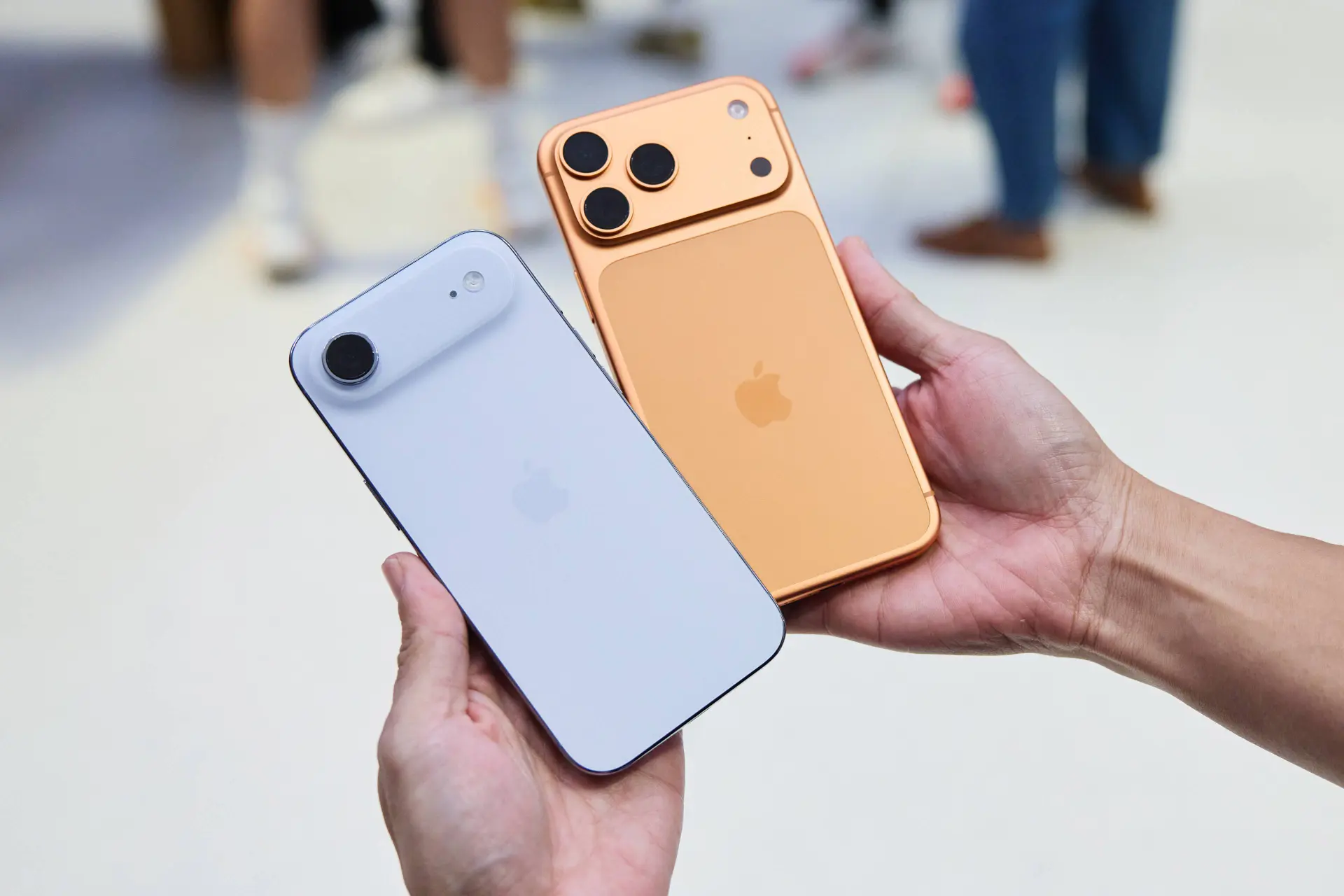
This "passport-style" aspect ratio is a deliberate choice to prioritize ergonomics over the narrow, "remote control" feel of earlier competitors. To achieve a truly "crease-less" experience, Apple is reportedly deploying Ultra-Thin Flexible Glass (UFG) with variable thickness and a liquid metal hinge mechanism. Interestingly, the biometric strategy is shifting; rumors suggest the foldable will utilize Touch ID integrated into the power button, a necessary pivot to accommodate the complex mechanics of the dual-screen housing.

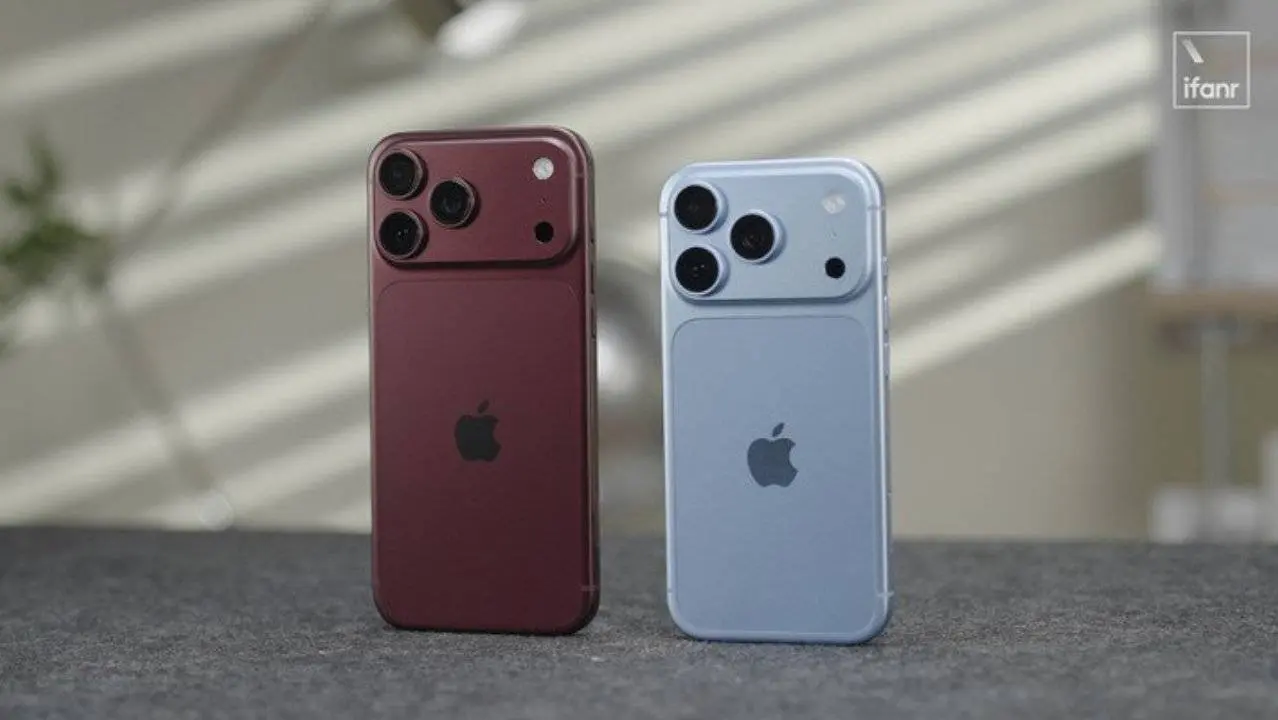
Simultaneously, the iPhone 18 Pro series is undergoing a radical evolution. The Pro (6.3-inch) and Pro Max (6.9-inch) models are rumored to finally hide the Face ID hardware under the display. This breakthrough allows for a much smaller Dynamic Island, which may be reduced to a tiny punch-hole for the 18MP front camera. Photographically, the Pro models are moving toward a triple 48MP sensor array.
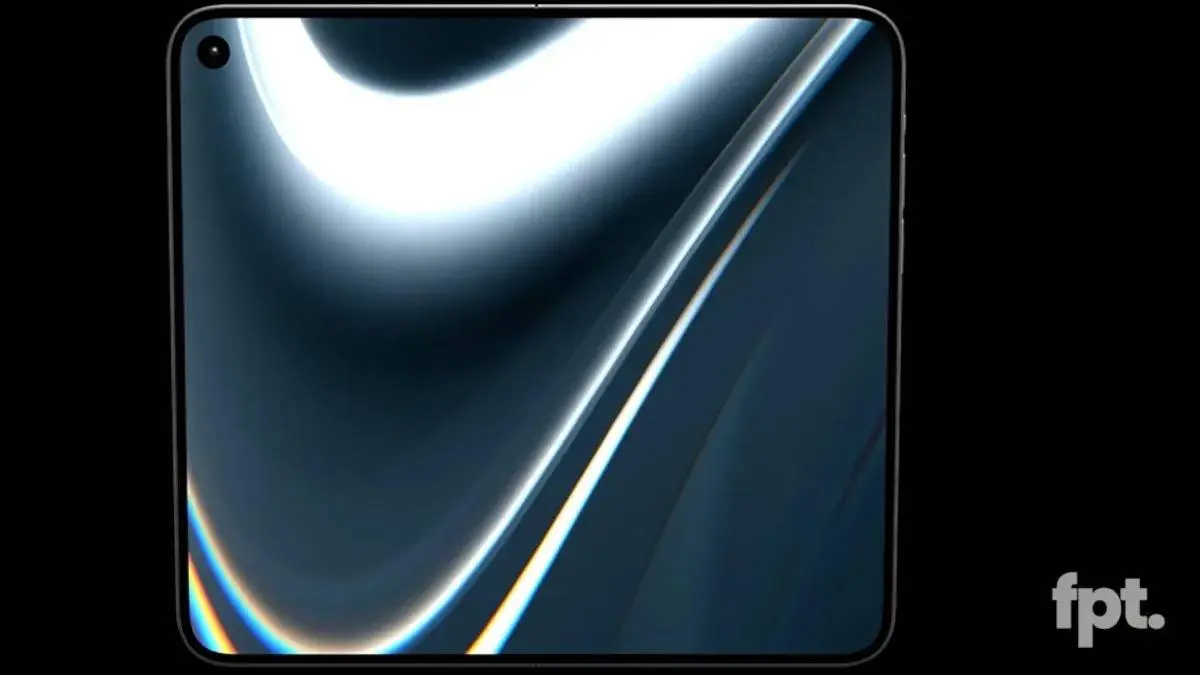
The centerpiece is a main sensor with a Variable Aperture (VA) system. This allows for DSLR-like physical control over light intake. Under the hood, the entire premium lineup—including the Fold—will be powered by the A20 Pro chip. Built on TSMC’s 2nm (N2) process, this SoC integrates 12GB of LPDDR5 RAM directly onto the wafer, providing the massive low-latency memory required for advanced on-device Apple Intelligence tasks.
loading


Loading