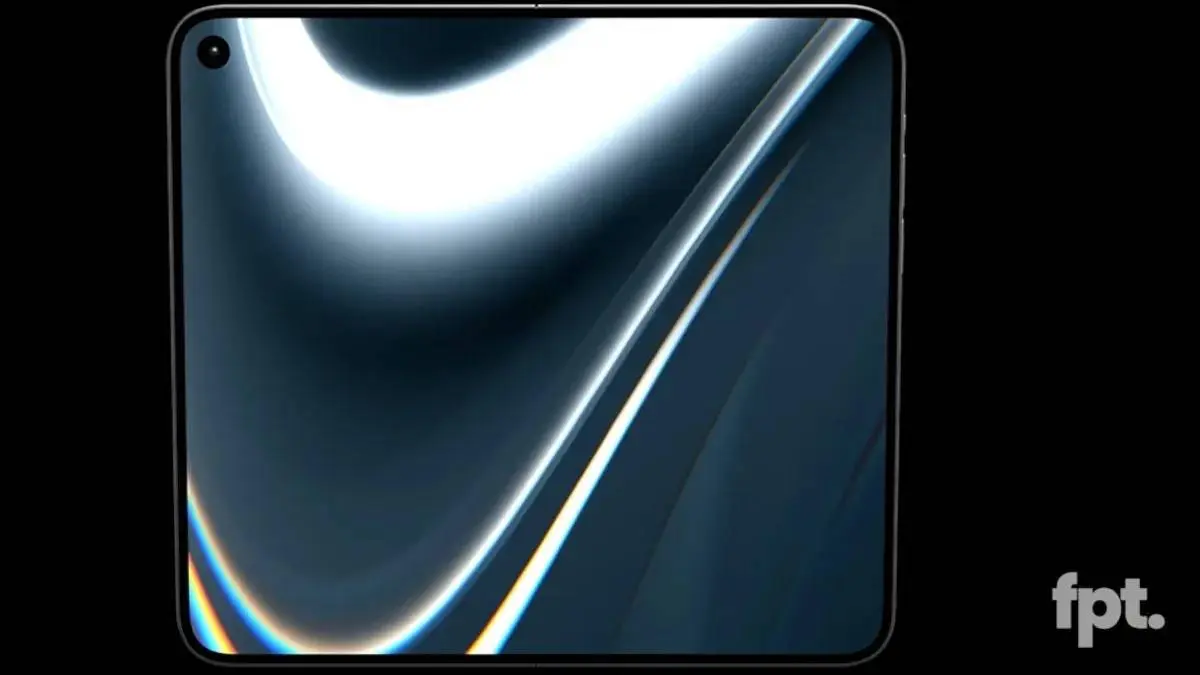
You would think that a high-profile lawsuit from a tech giant like Apple would be enough to make any leaker disappear into the shadows. Instead, Jon Prosser is doubling down. Despite ongoing allegations of trade secret theft involving a convoluted plot to peek at iOS 26, Prosser has just released the most detailed renders yet of the "iPhone Fold." It seems Apple’s fight to keep its folding future under wraps is proving difficult as the device finally takes a concrete shape.

Key Takeaways
- Apple has reportedly chosen a book-style foldable design over a clamshell "flip" model.
- The device features a 7.8-inch internal display and a 5.5-inch external cover screen.
- Apple is testing a liquid metal hinge and metal pressure plates to eliminate the screen crease.
- Face ID may be replaced by a Touch ID sensor integrated into the power button for better ergonomics.
- Pricing is expected to be in the ultra-premium range, starting between $2,000 and $2,500.
A Familiar Form Factor with an Apple Twist
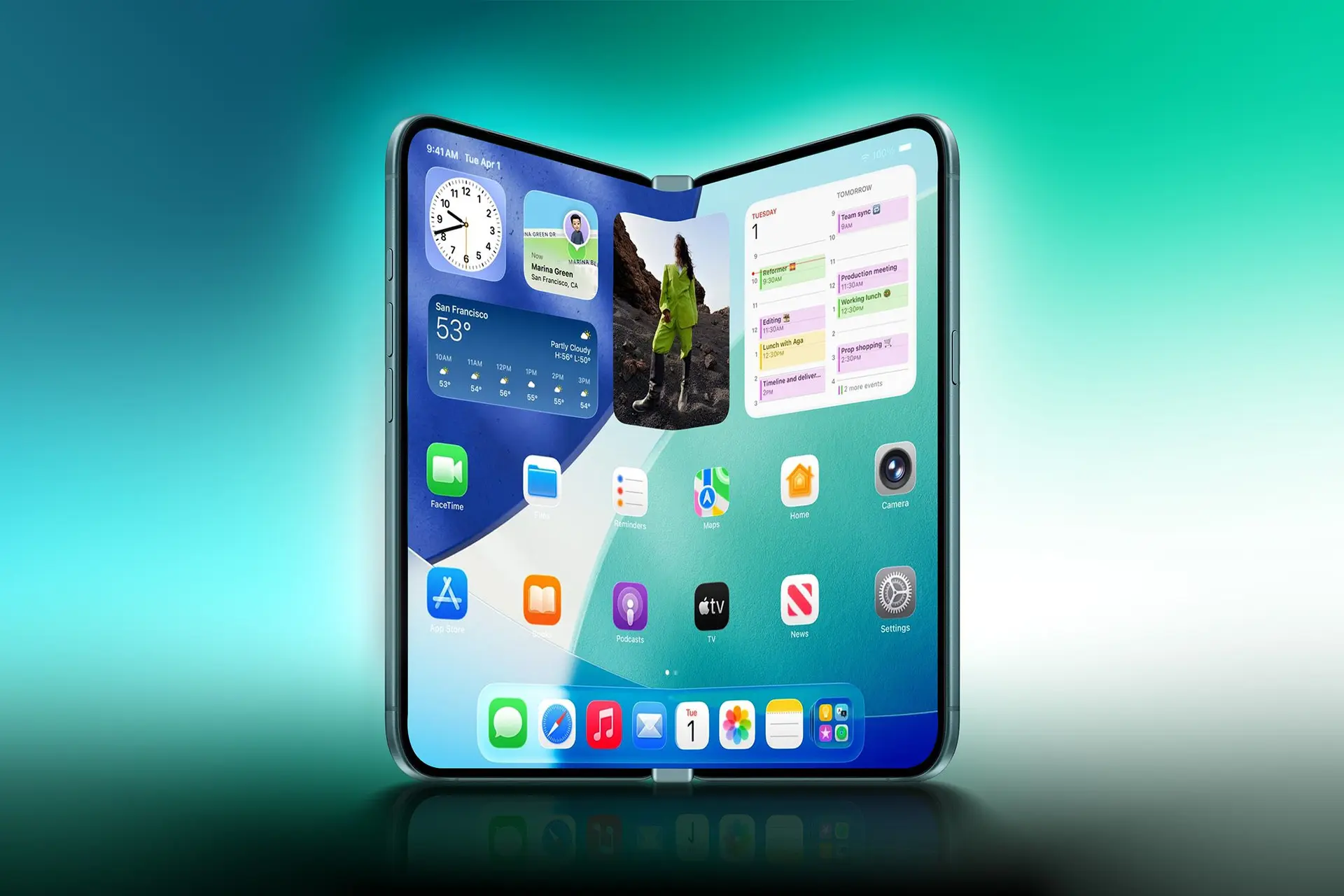
According to the latest leaks, Apple has officially moved away from the "flip" style and settled on a book-type foldable, much like the Samsung Galaxy Z Fold 6 or the Google Pixel 9 Pro Fold. The renders show a device that opens up to reveal a massive 7.8-inch internal display. When you close it, you’re greeted by a 5.5-inch cover screen. In my view, this is the right move because a folding phone should fundamentally be about expanding your workspace, not just making a small phone smaller.

The design philosophy here feels very "iPad Mini," but one that actually fits in your pocket. Interestingly, the closed device is rumored to be only 9mm thick. To put that in perspective, the current iPhone 17 Pro Max is already about 8.75mm. If Apple can actually pack a folding screen and a hinge into a body that thin, the engineering would be nothing short of wizardry.
Engineering Away the Infamous Screen Crease

One of the biggest complaints about foldables is the visible crease where the screen bends. Apple is reportedly obsessed with fixing this before launch. Prosser claims they are using a specialized metal plate to distribute pressure more evenly across the panel. There is also talk of a liquid metal hinge designed to eliminate that annoying dip in the middle of the glass.
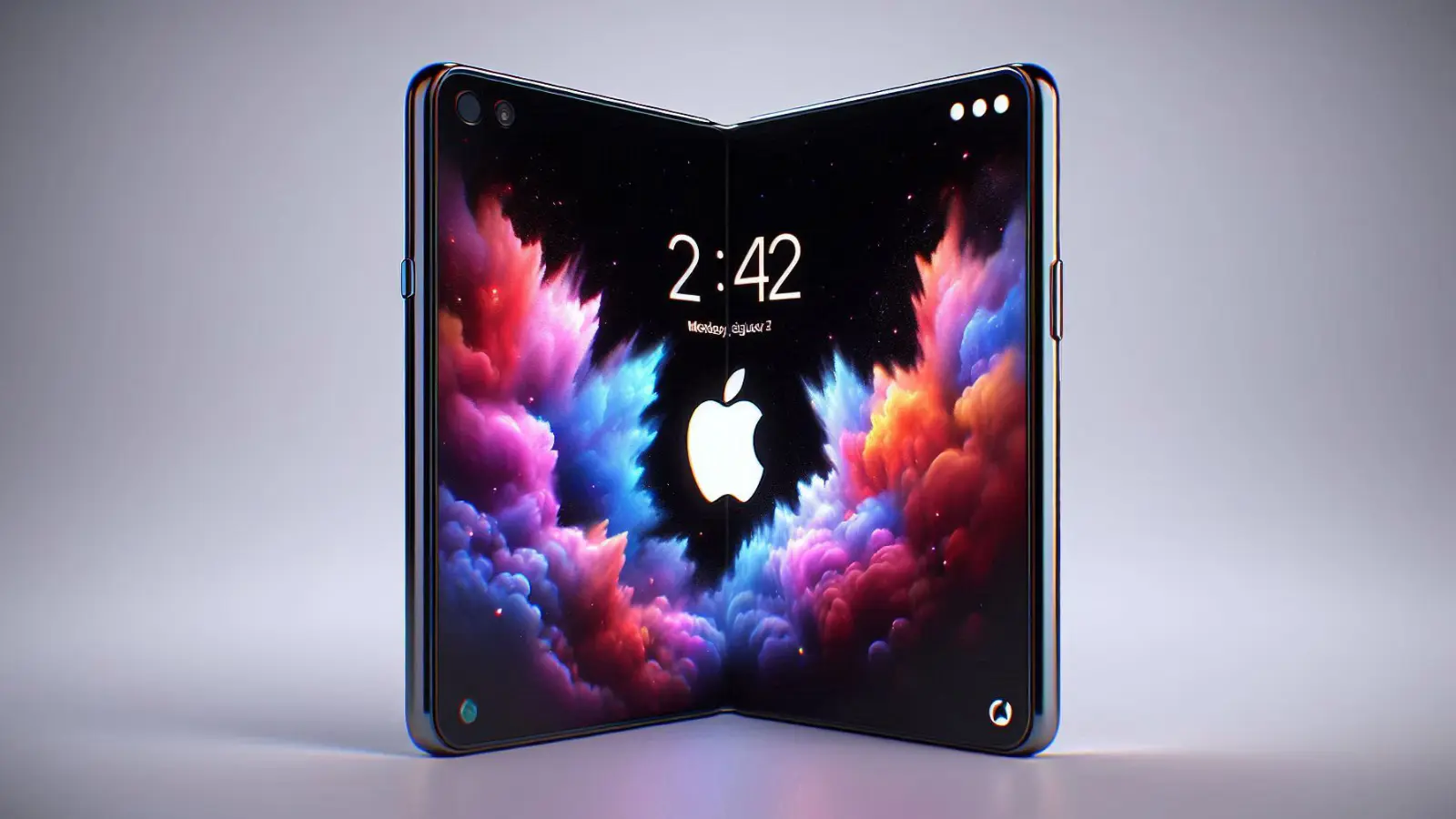
I’ve spent time with almost every foldable on the market, and the crease is always the "deal-breaker" for people transitioning from traditional glass slabs. If Apple manages to deliver a perfectly flat internal display on their first try, they will instantly set a new industry standard. However, some rumors suggest they aren't quite there yet, so we should probably take the "no crease" claim with a grain of salt for now.
Hardware Surprises and the Return of Touch ID
The most shocking part of these renders isn't the screen, but the biometrics. Prosser suggests that the iPhone Fold will ditch Face ID entirely in favor of a Touch ID sensor built into the power button. While some might see this as a step backward, I think it's a brilliant ergonomic choice. When a device changes shapes, a fixed Face ID array can become awkward to align. A fingerprint sensor is simply more reliable regardless of how you’re holding the phone.

On the inside, the device is expected to be a powerhouse. It will likely feature Apple’s second-generation in-house C2 modem and a massive battery capacity ranging between 5400mAh and 5800mAh. This is a significant jump in power, which is necessary to keep that 7.8-inch screen running all day. However, at a staggering 4.5mm thickness when opened, I do worry about the structural integrity of the frame during a drop.
The Eye-Watering Luxury Price Tag
We need to talk about the elephant in the room: the price. Rumors are pointing toward a starting price between $2,000 and $2,500. At that point, you aren't just buying a phone; you're buying a piece of high-end jewelry that happens to run apps. There is also a strong possibility that Apple will skip the "Fold" name entirely and brand this as the "iPhone Ultra" to justify that premium.
Whether you call it a Fold or an Ultra, this device represents Apple’s biggest gamble in a decade. They are entering a mature market late, but they are doing so with a clear focus on perfecting the hardware. If these renders are accurate, the wait might actually be worth it for those with deep enough pockets.
Popular News


Latest News
Loading