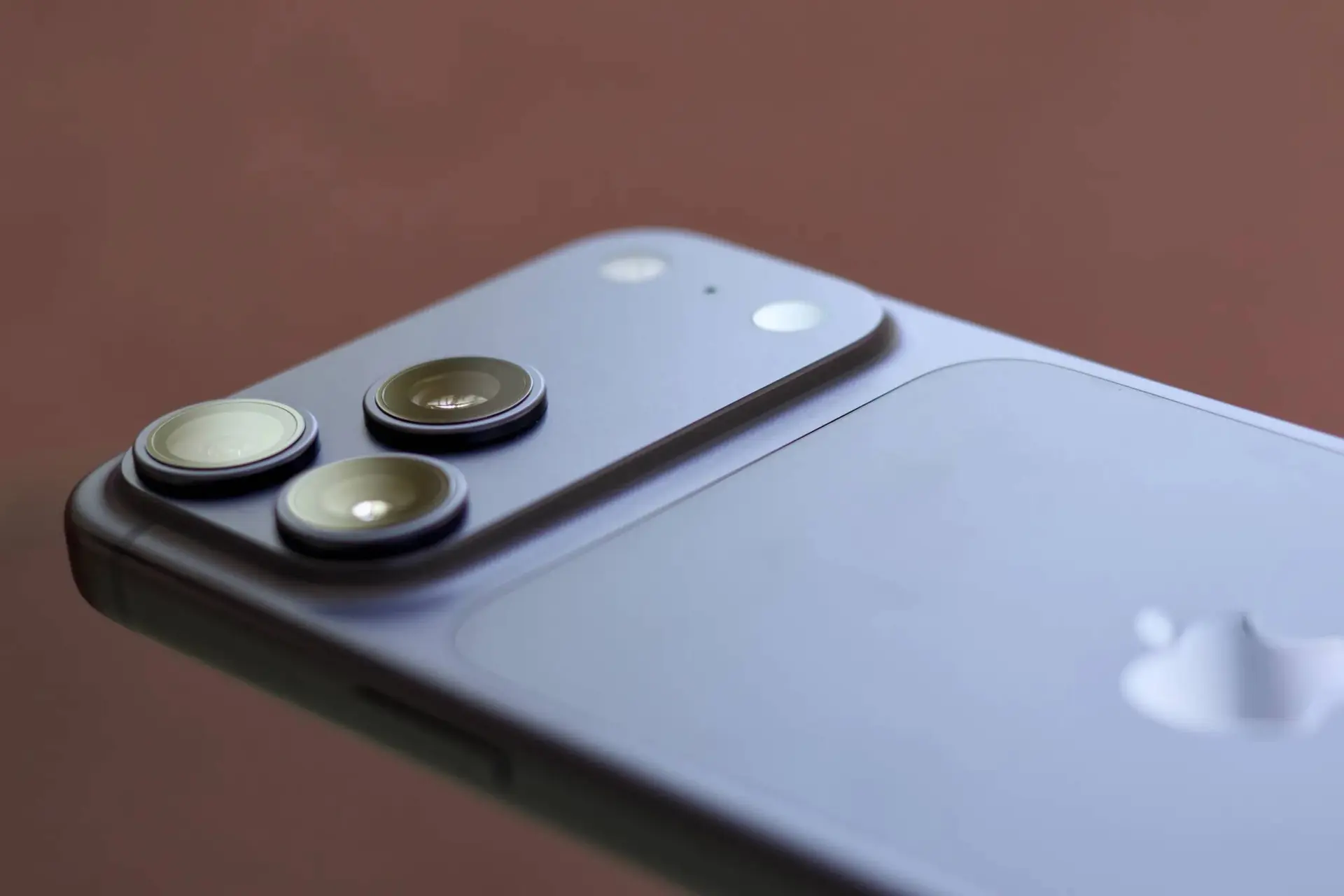
Apple is reportedly blowing up its own manufacturing calendar, moving the iPhone 18 Pro into mass production by February 2026. If you follow Apple, you know how wild this is. Usually, the "ramp-up" doesn't even start until June. By moving the clock forward by nearly half a year, Apple is essentially admitting that their recent launches have been a mess. Between iPadOS 18 bricking high-end M4 tablets and the iPhone 17’s early reception bugs, the company is desperate for a "safety window" to catch hardware flaws before they hit millions of pockets.

Key Points
- February Production: Apple is starting mass manufacturing months early to ensure hardware stability.
- Under-Display Face ID: The Dynamic Island will be replaced by hidden sensors and a punch-hole camera.
- Split Launch: Only the Pro, Pro Max, and Fold models will launch in Fall 2026; others follow in 2027.
- A20 Pro Chip: The 2026 flagships will feature the industry's first 2nm processor.
- Mechanical Camera: A new variable aperture lens will allow for professional-grade light control.
The main reason they need this extra time is the screen. The Dynamic Island is officially on its way out. To replace it, Apple is trying to hide the Face ID sensors entirely under the display. This isn't just a software tweak; it requires "micro-transparent" glass that allows infrared light to pass through active pixels without distorting the image. It’s an engineering nightmare. The goal is to leave only a tiny, offset punch-hole for the selfie camera, clearing the path for the "all-screen" iPhone 20 in 2027. Starting in February gives them months to fix "yield" issues—basically making sure they don't throw away half the screens they build.

But the screen isn't the only mechanical headache. The iPhone 18 Pro is rumored to feature Apple’s first variable aperture camera. This means the lens will have a physical, mechanical iris that opens and closes to control light—just like a "real" DSLR camera. While Android brands have dabbled in this for years, Apple’s version is reportedly much more complex, tied into the new A20 Pro chip. This chip will be the world’s first commercial 2nm processor, offering a 30% jump in efficiency.
Perhaps the most shocking part of this leak is the split launch strategy. Apple is seemingly ditching the "four phones in September" tradition. Instead, Fall 2026 will be reserved strictly for the heavy hitters: the iPhone 18 Pro, Pro Max, and the first-ever iPhone Fold. If you want the "basic" iPhone 18 or the budget 18e, you’ll have to wait until Spring 2027. Apple is betting that by focusing on the "Pro" hardware early, they can perfect the most expensive tech first. If this February production date is true, we are going to see leaked, fully-assembled hardware photos long before the usual summer hype cycle even begins.
Popular News



Latest News
Loading