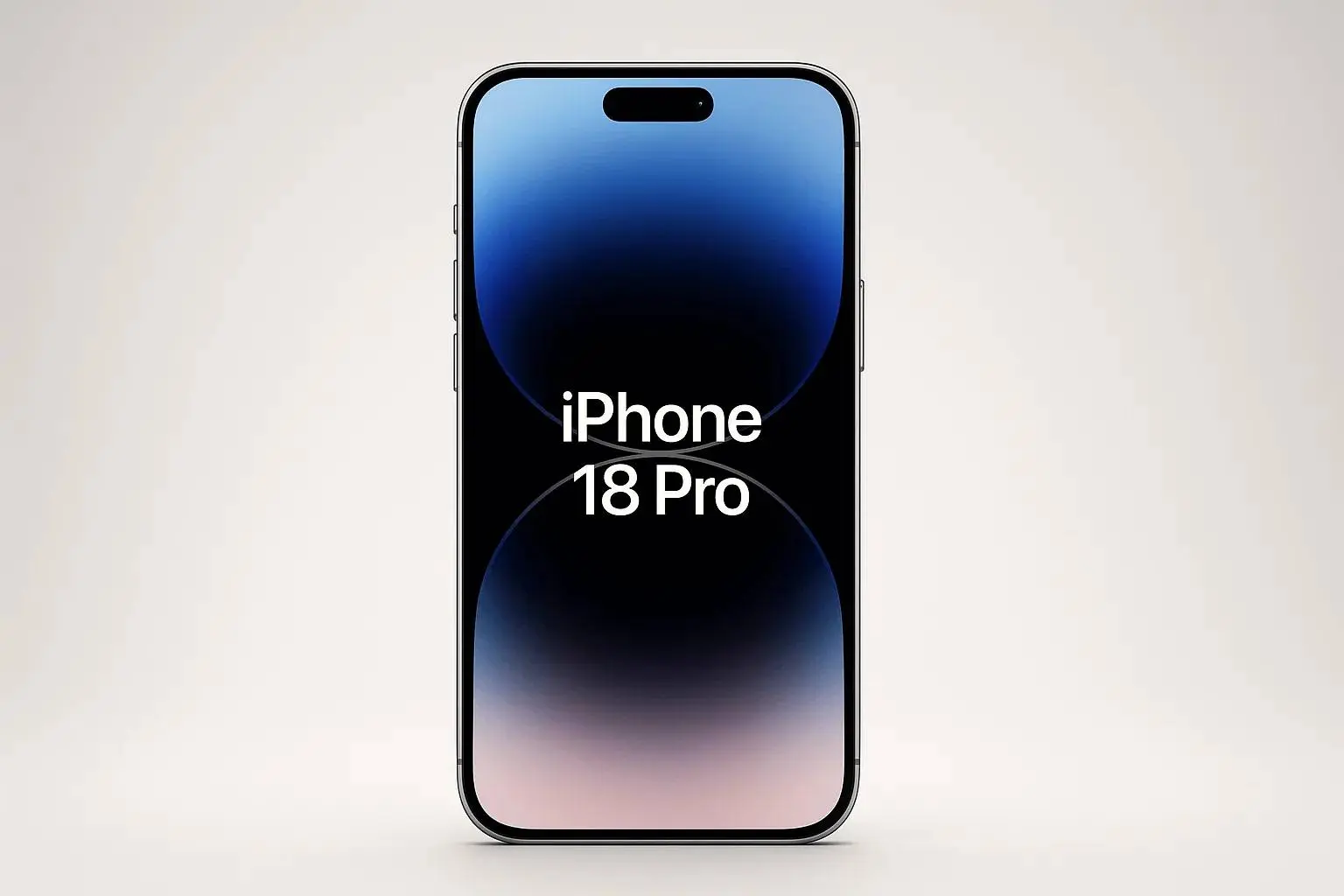
If there is one thing Apple absolutely loves, it is symmetry. Since the iPhone X debuted back in 2017, the notch—and later the Dynamic Island—has sat stubbornly in the dead center of our screens. But according to a massive new leak, the iPhone 18 Pro might be about to throw that rulebook out the window.

Image credits - Nokiamob
A recent report from The Information suggests that for the first time ever, Apple is planning to ditch the centered pill and move the selfie camera to the top-left corner of the display. If this holds up, it will be the biggest visual shake-up to the iPhone’s face since the home button disappeared.
Key Points:
- Asymmetrical Design: The iPhone 18 Pro may move the selfie camera to the top-left corner, ending a decade of centered cutouts.
- Invisible Face ID: Most Face ID hardware will be hidden under the AMOLED display using HIAA technology.
- Pro Camera Upgrade: A new variable aperture system for the main sensor will offer DSLR-like control over light and depth.
- Foldable Debut: Apple’s first foldable (7.7-inch inner display) is slated for a September 2026 release with a $2,000+ price tag.
- Staggered Release: Only Pro models and the Fold are expected in late 2026; the standard iPhone 18 may wait until spring 2027.
Face ID Goes Undercover
We’ve been hearing rumors about under-display Face ID for years, but it looks like 2026 is the year it actually happens for the Pro models. Using a technology called Hole in Active Area (HIAA), Apple is apparently able to hide the infrared sensors behind the AMOLED panel.

The result? You’re left with a single, tiny circular cutout just for the selfie camera. But the real head-scratcher is why they would move it to the corner. On Android phones, corner hole-punches have been a thing for years, often praised for staying out of the way when watching movies. For Apple, it’s a radical departure from the "Island" branding they’ve spent so much time marketing. It makes me wonder if the Dynamic Island will survive as a software feature that "grows" from the corner, or if it’s being retired entirely.
Pro Cameras Get "Real" Control
The front isn't the only place seeing a change. The back of the iPhone 18 Pro is rumored to finally include a variable aperture for the main 48MP Fusion camera.
Right now, iPhones use a fixed aperture (f/1.78), meaning the lens is always wide open. A variable aperture would use physical blades—just like a "real" DSLR—to open or close the lens. This is huge for two reasons:
- Low Light: You can open it wide to let in more light when it’s dark.
- Detail: You can "stop it down" in bright sunlight to keep things sharp and prevent overexposure, while also getting a more natural blur (bokeh) in portraits.
The First Foldable iPhone is (Finally) Real
The same report dropped some heavy details on the long-awaited "iPhone Fold." Codenamed V68, this device is expected to launch alongside the 18 Pro in September 2026.
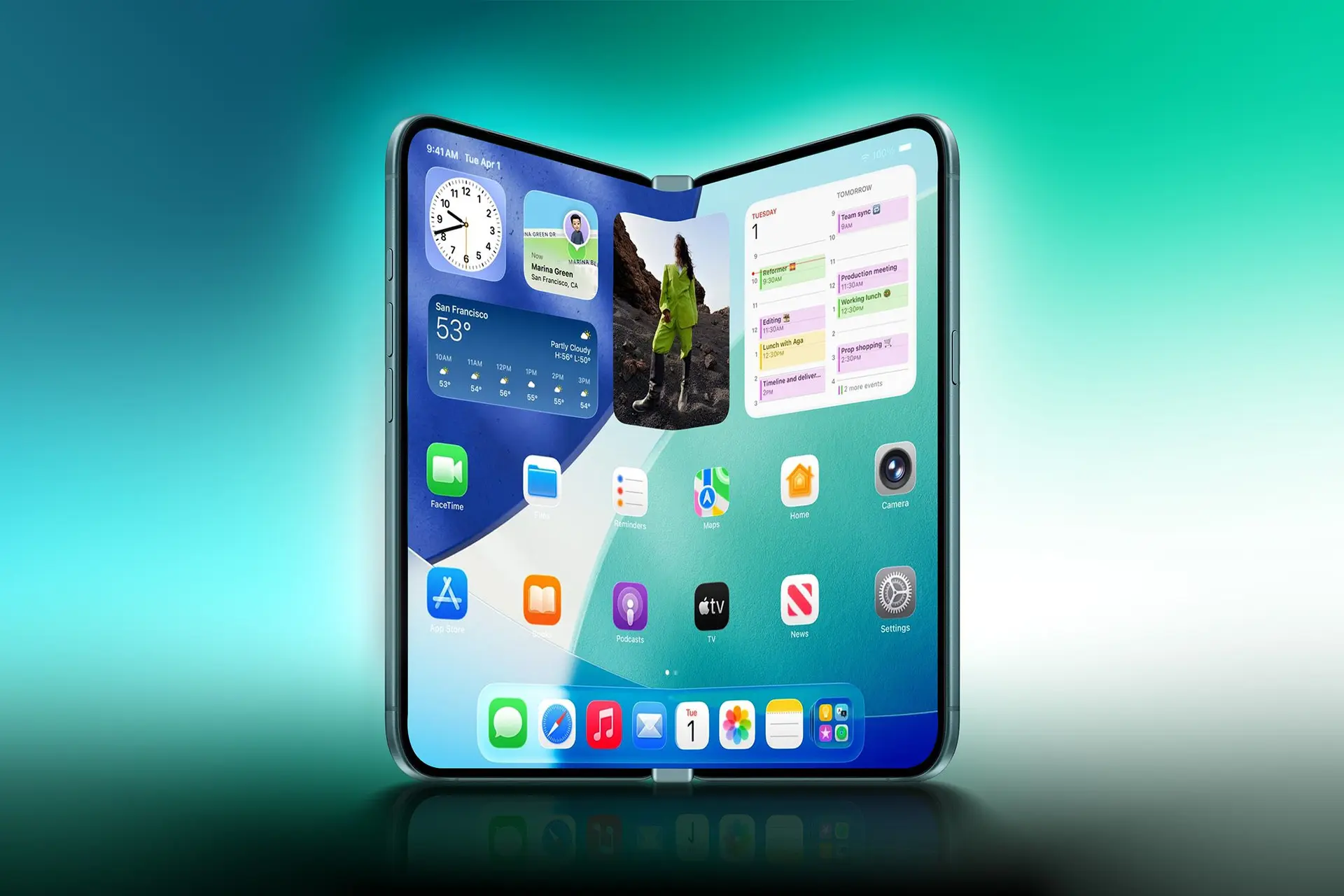
It looks like Apple is going for a "wide book" design. When closed, it’ll have a 5.3-inch display with a 2:3 aspect ratio—smaller and shorter than most modern phones. But when you open it up, you get a massive 7.7-inch screen that feels more like an iPad Mini.
Interestingly, the foldable might skip Face ID altogether. Because the screens are so thin, Apple is reportedly looking at a side-mounted Touch ID sensor in the power button. It’s a pragmatic move, but one that might feel like a step backward for those who haven’t touched a fingerprint sensor since 2016.
A Staggered Launch Cycle
In a move that will likely frustrate some, the standard iPhone 18 reportedly won't launch in late 2026. Instead, Apple is expected to release only the Pro and Pro Max (and the Fold) in September. The "vanilla" iPhone 18—and a new iPhone 17e—might be held back until spring 2027. This suggests Apple is trying to push everyone toward the more expensive, redesigned Pro models first.
Popular News


Latest News
Loading