
It’s not often you see rival smartphone makers stand shoulder to shoulder. Yet here we are: Xiaomi, OPPO, vivo, Honor, and Lenovo—five of the biggest Android players—have announced a coordinated plan to reshape how privacy works across their devices. That’s more than a press release; it’s a statement of intent.
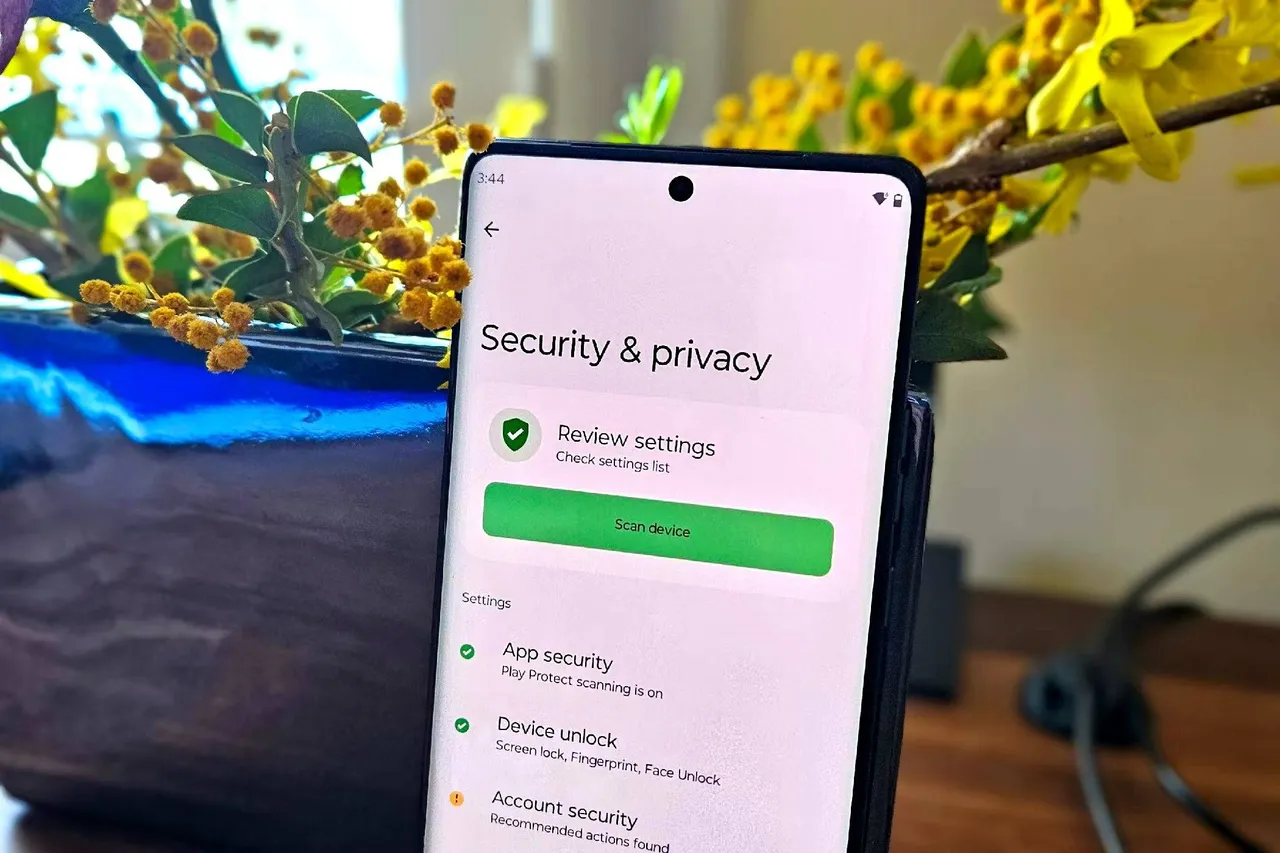
For years, Android privacy has felt… patchy. Each brand tweaks Google’s base system, apps ask for permissions in wildly inconsistent ways, and users often get lost in a sea of confusing prompts. This new partnership promises to fix that with a shared framework that puts the system—not individual apps—in control.
What changes for users?
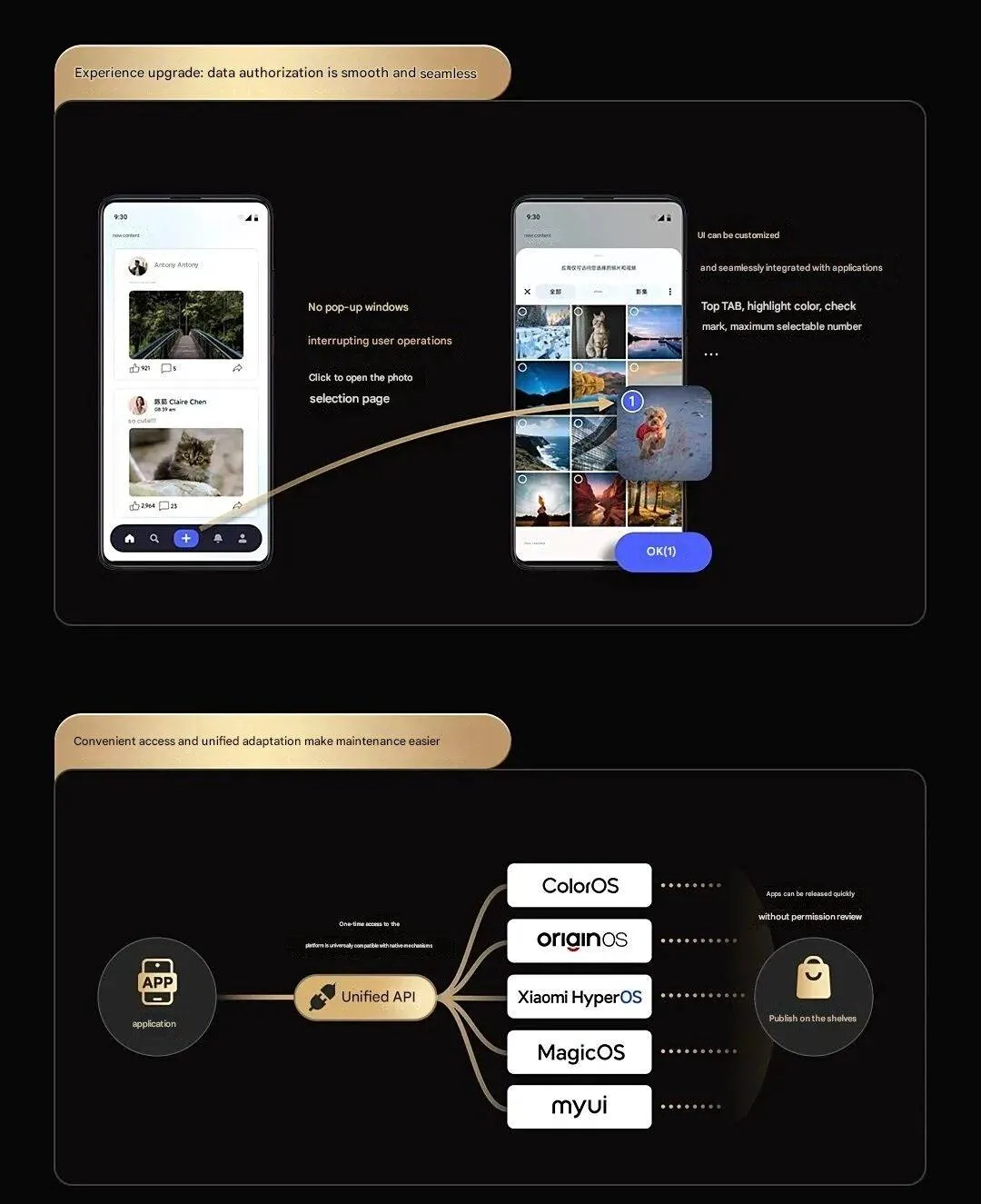
The centerpiece is a unified privacy permission model. Instead of apps popping up with those “allow access to contacts?” alerts at random, requests will be funneled through the operating system itself. In other words, one consistent language across devices, one set of rules.
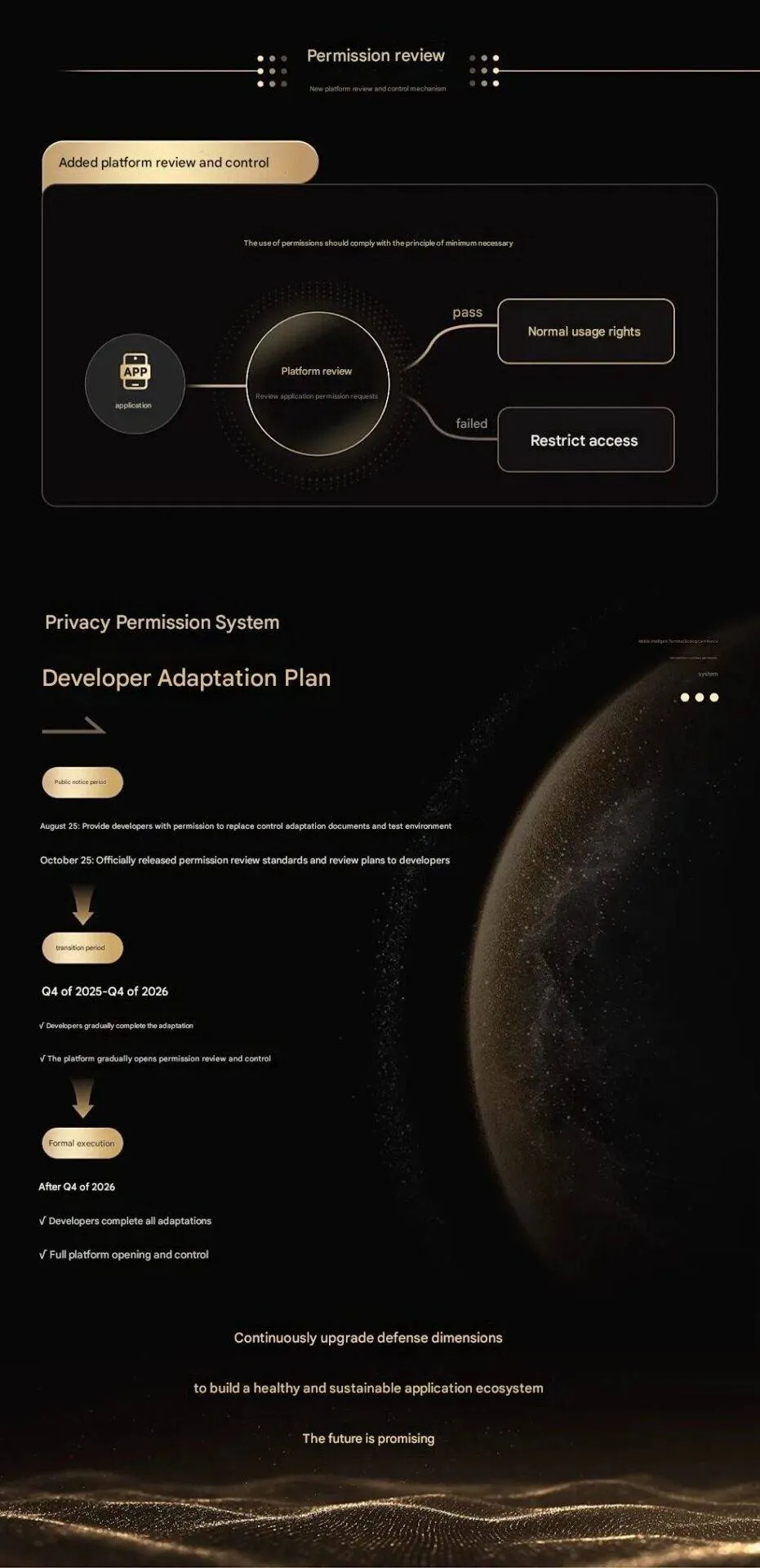
The framework has a “dual-track” design. Sounds technical, but the idea is simple: balance security with ease of use. You’ll see clearer options, real-time explanations of what’s being accessed, and a tighter leash on apps that ask for more than they truly need.
Some highlights:
- System-level permission approvals replace scattered in-app dialogs.
- Every request goes through a mandatory platform review.
- Permissions are granted strictly on a “need to have” basis.
- Regular compliance checks will weed out bad actors.
- Apps that don’t meet standards? No access, full stop.
This may sound strict, and it is, but it’s also overdue.
Developers aren’t being left behind
The companies aren’t just flipping a switch and walking away. A staged rollout has been laid out:
- August 25, 2025 → Developer tools and test environments open up.
- October 25, 2025 → Review standards and guidelines become public.
- Late 2025–2026 → Gradual integration across ecosystems.
- After 2026 → Mandatory compliance and full rollout on all devices.
In theory, this gives developers enough breathing room to adapt their apps. And with resources promised along the way, the transition should be smoother than past Android-wide shifts (remember the chaos of Scoped Storage?).
Read also


Why this matters
The timing isn’t random. Global privacy regulations are tightening, and consumer trust in mobile ecosystems is shakier than ever. Apple has already made privacy a marketing weapon, with iOS offering transparency reports and strict tracking controls. Android brands, historically, have lagged behind. This alliance is a chance to close that gap—or at least start convincing people that privacy isn’t an afterthought.
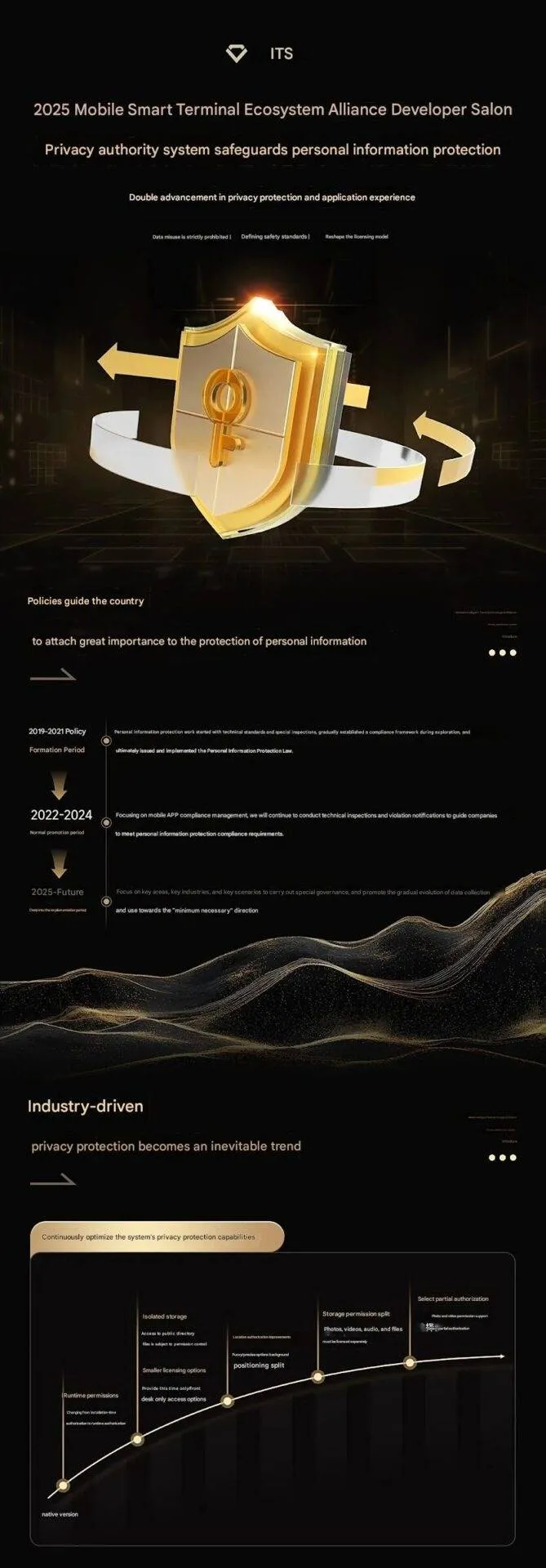
It’s also a rare example of cooperation in a fiercely competitive market. These five brands fight each other every quarter for market share, yet they’ve agreed on a shared set of rules. Cynically, you could argue they’re aligning because regulators will eventually force them to anyway. More generously, maybe they’ve realized that consumer trust is now just as valuable as camera megapixels or charging speeds.
A cautious optimism
Will it work perfectly? Probably not. There’s always a gap between what frameworks promise and what users actually experience. I’ve seen too many “privacy dashboards” that end up buried in menus, or apps that find creative loopholes around new restrictions. Still, the intent here feels stronger than usual.
The bigger question: will Google itself—Android’s ultimate gatekeeper—endorse or resist this? Because while these companies ship millions of phones, the ecosystem still runs on Google’s core services. Alignment (or conflict) with Mountain View could shape whether this privacy system becomes a universal standard or just another regional experiment.
For now, though, it’s encouraging to see giants that normally compete decide to pull in the same direction. Privacy, after all, is only meaningful if it’s consistent.
Popular News




Latest News
Loading