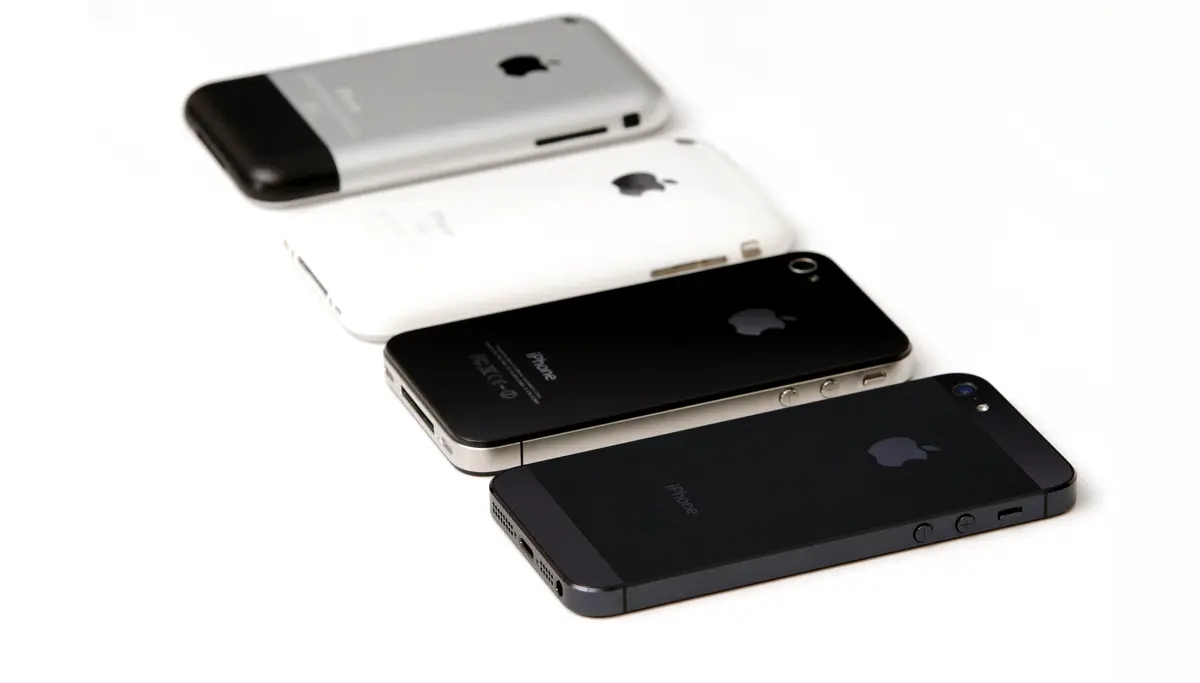
For a hot minute, collectors and enthusiasts of vintage tech were losing their minds. In a bizarre move, Apple suddenly pulled the plug on the baseband signatures for a specific group of classic hardware running iOS 6 through iOS 10. For the uninitiated, stopping these signatures meant it was completely impossible to factory reset, restore, or cleanly flash devices like the iPhone 4, iPhone 5C, and the first-generation iPad mini. If you tried, iTunes or Finder would spit out a fatal error, essentially leaving your classic device soft-bricked if it ever needed a fresh software install.
Thankfully, the tech giant seemingly realized this was either a glitch or a massive oversight. Apple has officially restored the baseband signatures, bringing these legacy devices back from the dead and allowing normal restoration procedures to resume. While the brand builds hype for its upcoming iPhone 18 series, in a strange move, it kills old phones.
The Mystery Behind the Baseband Lockdown in Old iPhones
What made this situation so weird wasn't that Apple stopped signing old operating systems—they do that all the time to keep people on the latest secure software. The weird part was that Apple didn't stop signing the actual iOS firmware files (IPSWs). Instead, they pulled the validation for the baseband firmware, which is the low-level code that controls the cellular modem inside the device.

The first iPhone to experiment with colors was suddenly killed
Because the security check for the cellular chip failed, the entire restoration process would grind to a halt. This completely locked out owners of the CDMA iPhone 4, the colorful iPhone 5C, and cellular versions of the first iPad mini. It felt like a silent death sentence for pieces of smartphone history that many hobbyists still keep around for app testing, jailbreaking, or pure nostalgia.
Why the Community Panicked (and Why it Matters Now)
When the signatures dropped, a wave of frustration hit the legacy Apple community. While mainstream users obviously aren't walking around with an iPhone 4 in their pockets today, the principle of the move rubbed people the wrong way. It raised the terrifying prospect that Apple could silently decide to terminate the lifespan of any old device at a whim by simply turning off a server-side authentication switch.
Fortunately, the panic was short-lived. The restoration of these signatures means the servers are validating the baseband code once again. If you have an old iPhone 5C stuck in a boot loop or a first-gen iPad mini that needs a clean wipe, you can finally plug it into a computer and restore it without facing a brick wall.
Read also
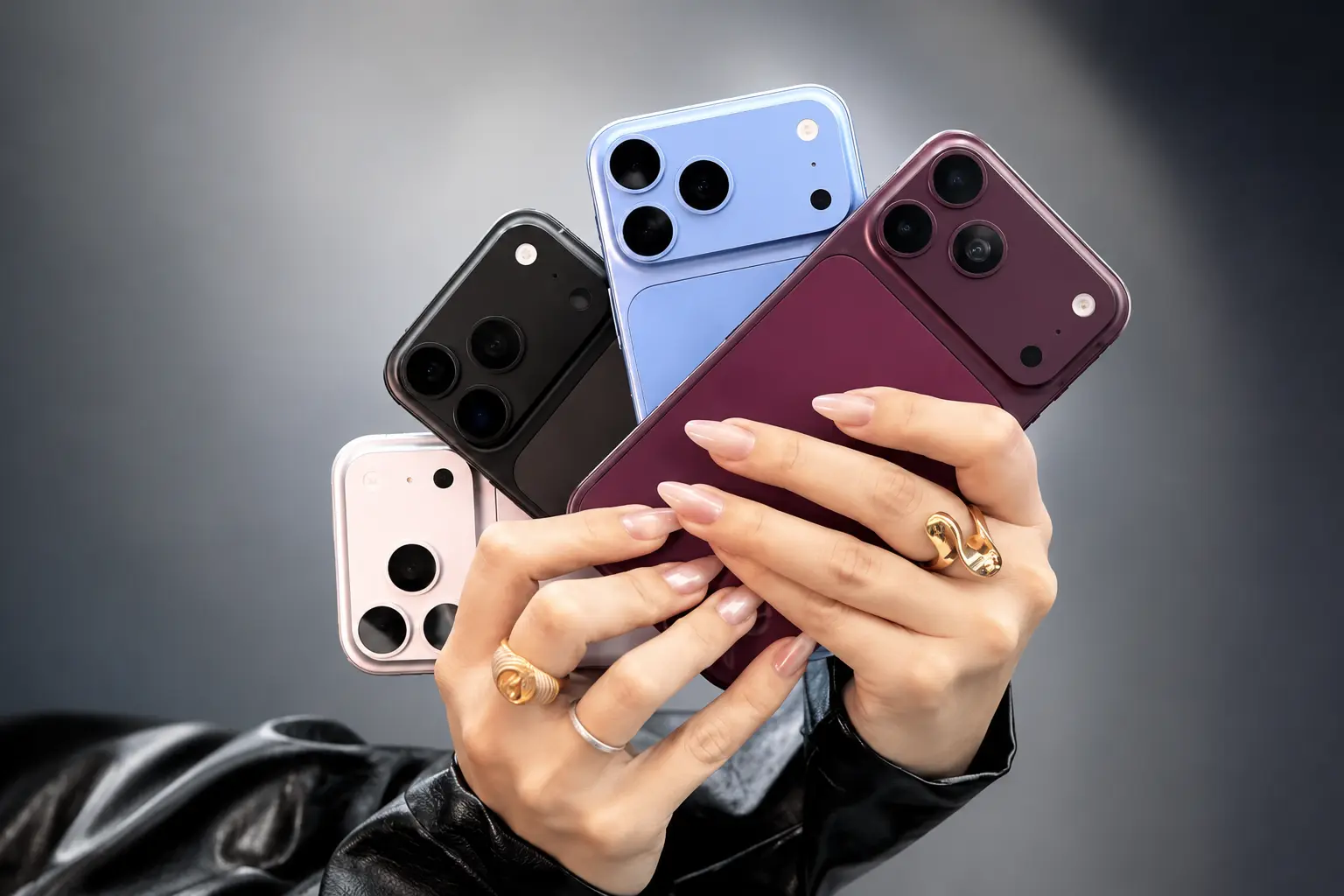
Key Points
- The Glitch Fixed: Apple accidentally blocked and then quickly restored the essential baseband signatures required to flash several vintage devices.
- Affected Hardware: The issue strictly hit cellular-capable legacy units, specifically the iPhone 4 (CDMA), iPhone 5C, and the original iPad mini.
- The Software Range: The signature stoppage broke the restore paths for legacy firmware versions stretching from iOS 6 up to iOS 10.
- Crisis Averted for Collectors: Hobbyists and retro tech fans can now safely perform clean installations and maintenance on their devices without fear of permanent software errors.
In the grand scheme of things, this script error barely moves the needle for the average smartphone consumer. But for the dedicated preservation community, Apple's quick U-turn is a massive relief that ensures these classic pieces of mobile history remain functional for a little while longer.
Popular News

Latest News
Loading