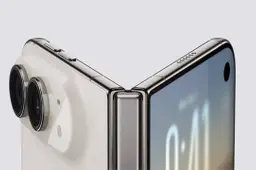
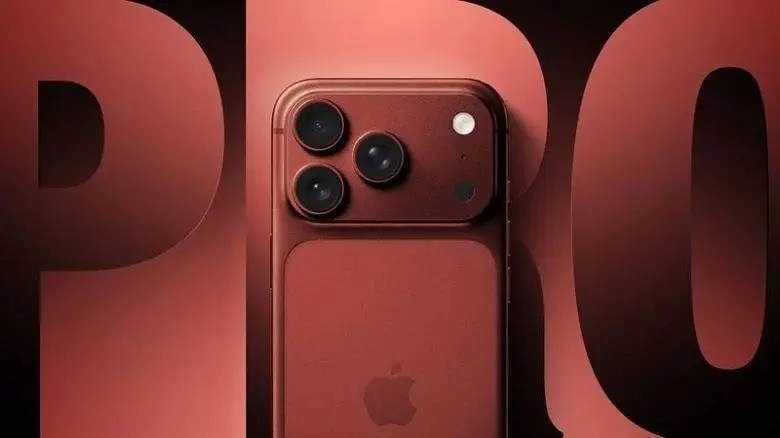
Apple has officially launched the iPhone 18 Pro and iPhone 18 Pro Max (just before unveiling the much anticipated iPhone Duo), and cameras are once again a big part of the upgrade. The new Pro models introduce a 48MP main camera with variable aperture, a much faster A20 Pro chip and better battery life.
Apple has also made the Dynamic Island smaller, while the new Siri AI finally arrives with iOS 27. Prices start at $1,199 for the iPhone 18 Pro and $1,299 for the Pro Max.

Variable aperture finally comes to iPhone
The biggest camera change is the new 48MP Fusion Main camera. For the first time on an iPhone, Apple is using a real variable aperture.
The camera has six small blades that can change the aperture based on the scene. It can open up to f/1.48 when you need more light, while f/1.8 is used for portraits. It can also close down to f/4 when you want more of the photo to stay in focus.
You don't have to control any of this yourself. The iPhone can pick the right setting for each photo, but Apple is also giving Pro users manual control.
That's the part I like. Variable aperture isn't a new idea in smartphones, but it makes a lot of sense on the iPhone. Apple has always been good at making the camera simple for normal users while still giving creators more tools when they want them.

The Camera app gets real Pro controls
Apple is also adding a new Pro controls section to the Camera app. You can now change aperture, shutter speed and white balance yourself, while a histogram helps you check the exposure.
Photographic Styles have been updated too, with new controls for texture and grain.
Video gets a few useful changes as well. Cinematic effects can now be added after recording on videos shot at up to 60fps. Time-lapse can also record in 4K with Dolby Vision HDR.
Apple hasn't forgotten about audio either. Audio Mix has new tools for cleaner voices and can now isolate music from the rest of the sound.

Your photos can now prove they're real
One of the most interesting new features is called Apple Reference Image.
When you take a photo in Reference mode, the main camera can create signed sensor data based on what it actually saw. The phone then creates an unalterable reference image, which sits next to the normal photo in the Photos app.
The idea is simple. You can compare the final image with the original reference and see if anything was changed.
With AI images getting harder to spot, I think this could become much more useful than it sounds today. Apple is clearly thinking beyond taking better photos and looking at ways to prove that a real camera actually captured them.

The Dynamic Island gets smaller
Apple hasn't removed the Dynamic Island, but it has finally made it smaller.
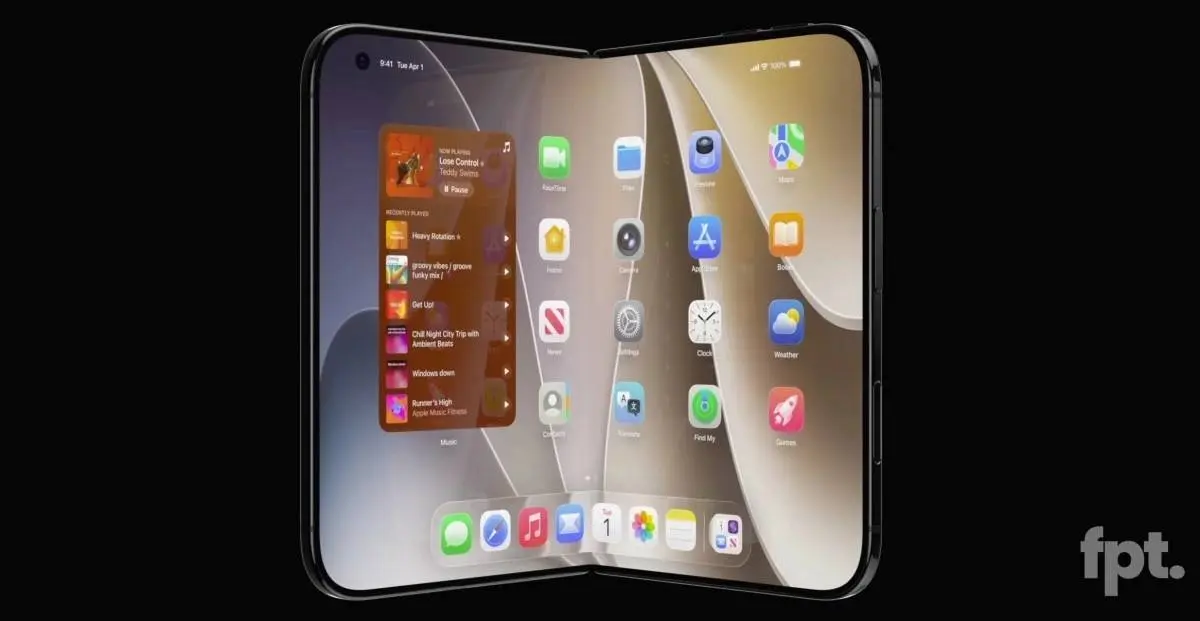
The new version takes up less screen space and can show up to three Live Activities at once. Face ID is still there, so Apple hasn't moved to a fingerprint reader like it did with the foldable iPhone Duo.
It's not the full-screen display some people have been waiting for, but I'll take a smaller Dynamic Island. At this point, anything that gives us more usable screen space is a welcome change.

A20 Pro moves to 2nm
Both phones are powered by Apple's new A20 Pro, which is built on a 2nm process.
The chip has a 6-core CPU and a new 7-core GPU. Apple says memory bandwidth is 50 percent higher than on the A19 Pro, while graphics performance can be up to 40 percent faster.
AI gets a big boost too. The Dual 16-core Neural Engine has 32 cores in total and offers twice the AI performance of the A19 Pro.
Apple has also changed how the chip and memory are placed inside the phone. This allows the A20 Pro to connect directly to a new vapor chamber, which has three times more surface area than the one used last year.
Apple claims up to 40 percent better sustained performance compared with the iPhone 17 Pro. That's far more interesting to me than a short benchmark score. Keeping the phone fast after 30 minutes of gaming or video editing is where better cooling really matters.

Battery life gets a big boost
The iPhone 18 Pro Max gets Apple's biggest battery life increase yet. On eSIM-only models, Apple claims up to 36 hours of video playback on the iPhone 18 Pro and 45 hours on the Pro Max. The eSIM versions have larger batteries because Apple can use the space that would normally be taken by the physical SIM slot.
Charging is faster too. The iPhone 18 Pro can reach 50 percent in around 15 minutes with a cable. Wireless charging can reach 50 percent in about 30 minutes.
This is an upgrade I've wanted to see for a while. Apple still isn't chasing the crazy 100W and 120W charging speeds we see on Chinese phones, but 50 percent in 15 minutes is finally fast enough that I wouldn't complain about it.
Siri AI arrives with iOS 27
The new phones ship with iOS 27, and Siri AI is one of the main new features.
The new Siri can use personal context from your messages, emails and photos to answer questions. It can also understand what's on your screen and take actions based on what you're doing.
There's even a Siri mode inside the Camera app. Point the camera at something and you can ask Siri questions about what you're seeing.
Apple Intelligence also adds Spatial Reframing, an improved Clean Up tool and Extend for photos. Image Playground can now create photorealistic images, while Safari gets Notify Me to watch web pages for things such as price drops and products coming back in stock.
Siri AI launches in beta, so we'll have to see how well all of this works in the real world. Apple has talked about a smarter Siri for a long time. Now it needs to deliver.
Prices start at $1,199
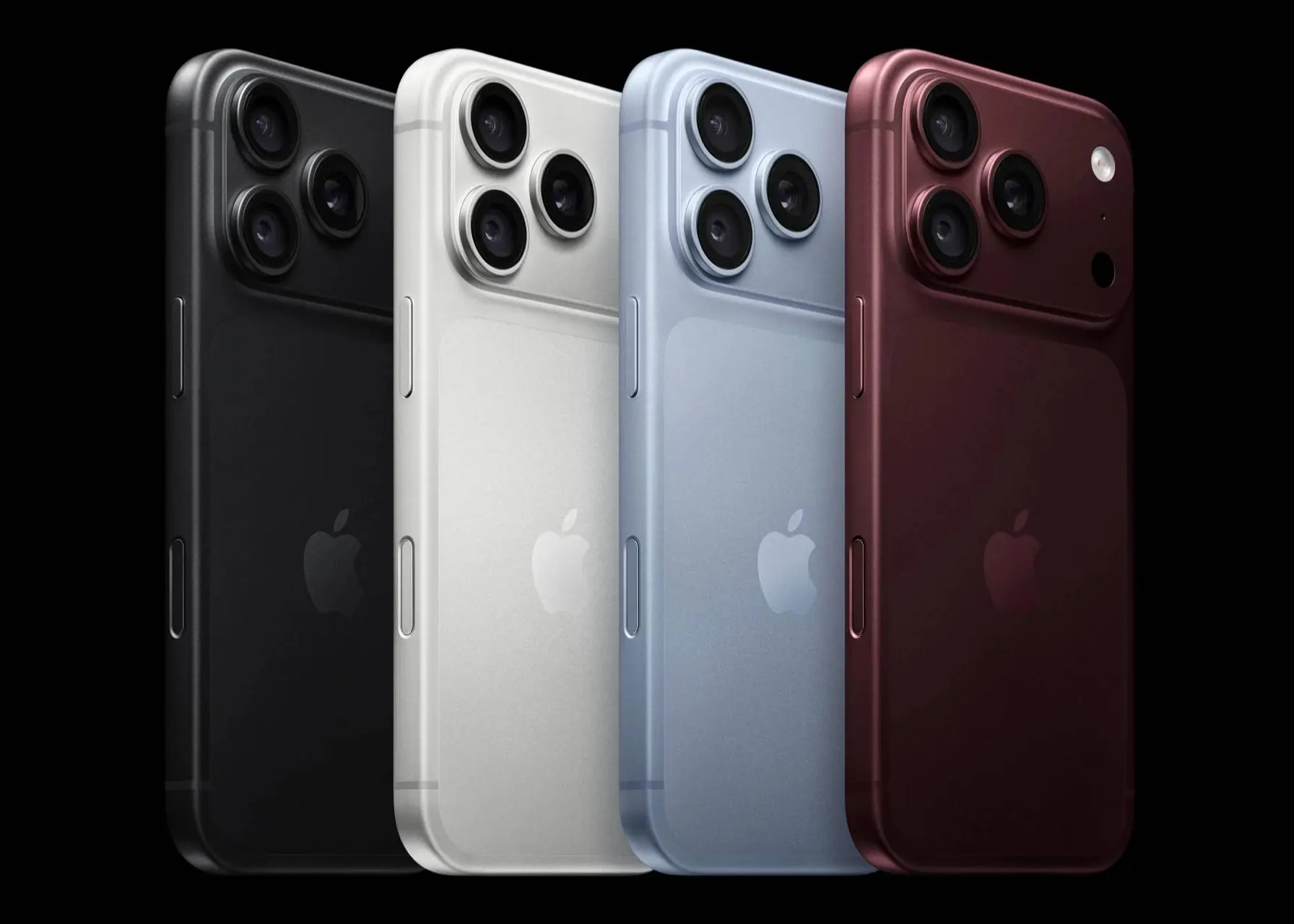
Both phones come with 256GB, 512GB, 1TB or 2TB of storage. There are four colors this year: black, silver, glacier and a new burgundy finish.
The iPhone 18 Pro starts at $1,199, while the iPhone 18 Pro Max starts at $1,299. That's a $100 increase at the entry level, but Apple has also doubled the base storage to 256GB.
Pre-orders start on September 12, with sales beginning September 18 in more than 65 countries and regions.
The iPhone 18 Pro isn't a complete redesign, but I think Apple focused on the right things this year. Variable aperture, much better cooling, faster charging and longer battery life are upgrades you can actually use. Add the smaller Dynamic Island and A20 Pro, and this feels like a more meaningful Pro update than simply making the chip faster again.
Popular News
Latest News
Loading