Xiaomi talks down on the iPhone Air, says it's only a niche product
AppleMonday, 10 November 2025 at 01:25

Xiaomi's president, Lu Weibing, has shared some candid
thoughts about the new wave of ultra-thin “Air” phones. He admitted the idea is
impressive but said it comes with trade-offs that can’t be ignored.

“From a design angle, the Air phone
is a really bold and creative move,” Lu said. “But making a phone that thin means
you have to give up things like battery life, cooling, performance, and even
camera quality.”
He added that sales numbers speak
for themselves. “If we look at the actual data, it’s clearly a niche product,”
he said. “The real question is whether people will keep using it after a
while.”
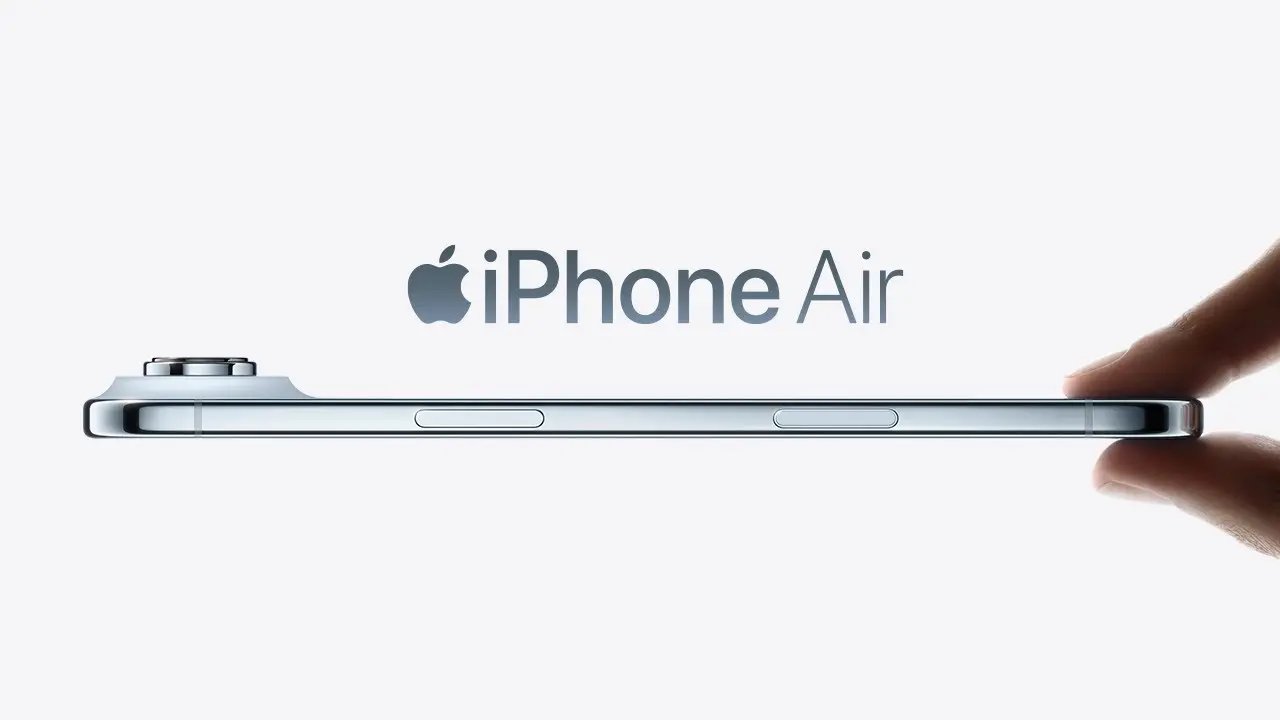
Apple’s Thinnest iPhone Yet
The buzz around thin phones started
picking up after Apple released
its iPhone Air in September. It’s being marketed as the
slimmest iPhone ever, just 5.6mm thick,
with a 6.5-inch 120Hz screen, a 48MP rear camera, and the A19 Pro chip. Prices in China start at
7,999 yuan.
But even with all that hype, early
sales haven’t been great. Tech blogger @Digital
Chat Station reported that Apple only sold around 50,000 units in the first week,
calling it “a disappointing start.” During Apple’s Q4 2025 earnings call, CEO Tim
Cook avoided answering questions about how the Air is actually doing.
Huawei and Xiaomi’s Next Steps
Huawei’s
Mate 70 Air, with its slogan “More
than just thin.”, is also in on the action. Rumour has it that
the device, focused on finding a better balance between design and daily
use, is expected to launch soon.
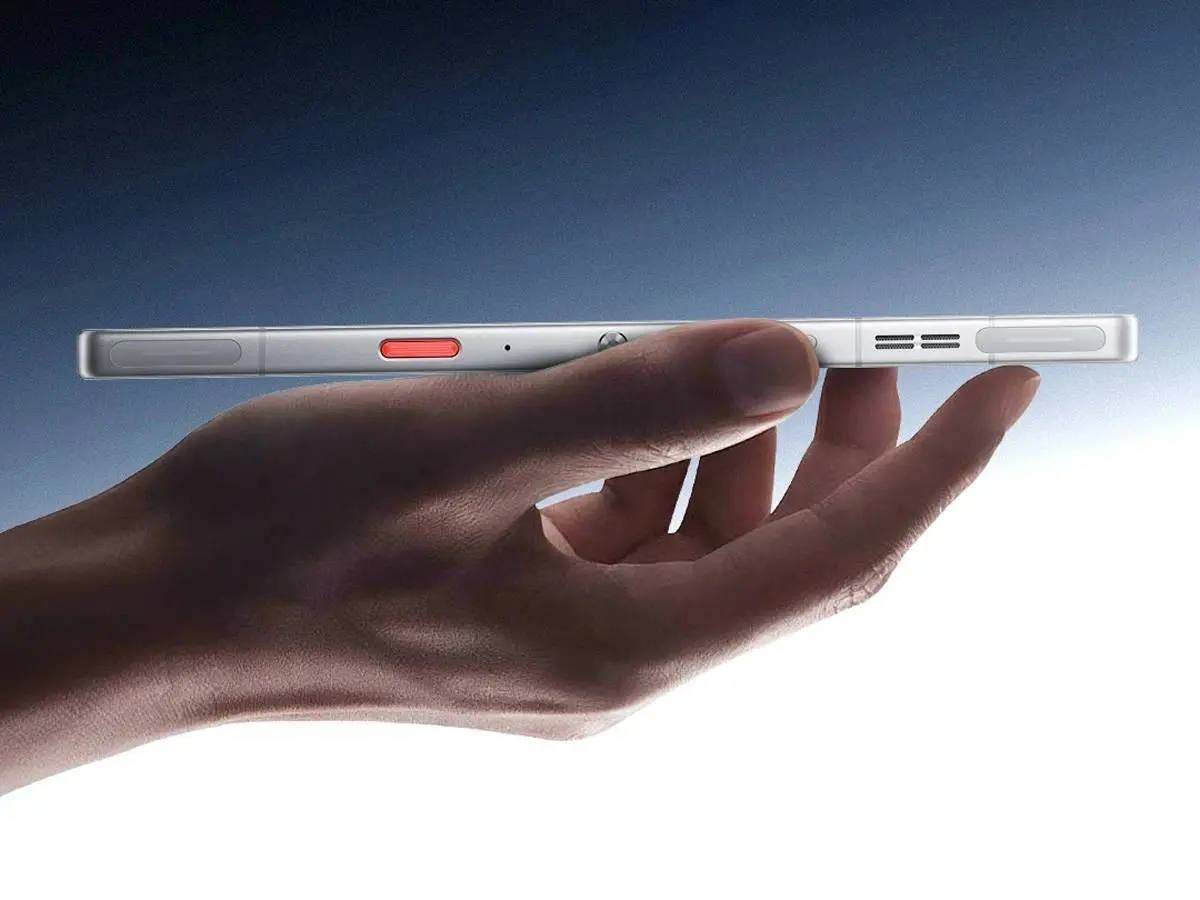
Another tech insider, @Smart Pikachu, recently mentioned
that one brand is testing a super-slim flagship with a 200MP main camera, a 6.6-inch
curved display, and a one-piece
sculpted design. From the clues, it looks like this could be the Xiaomi 17 Air.
Still, judging from Lu Weibing’s
latest comments, Xiaomi isn’t in a rush. The company seems to be watching how
users react to these ultra-thin models before deciding whether to launch one of
its own.
Popular News




Latest News
Loading