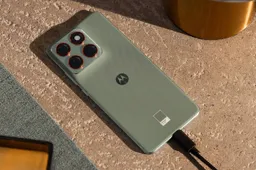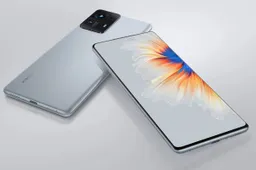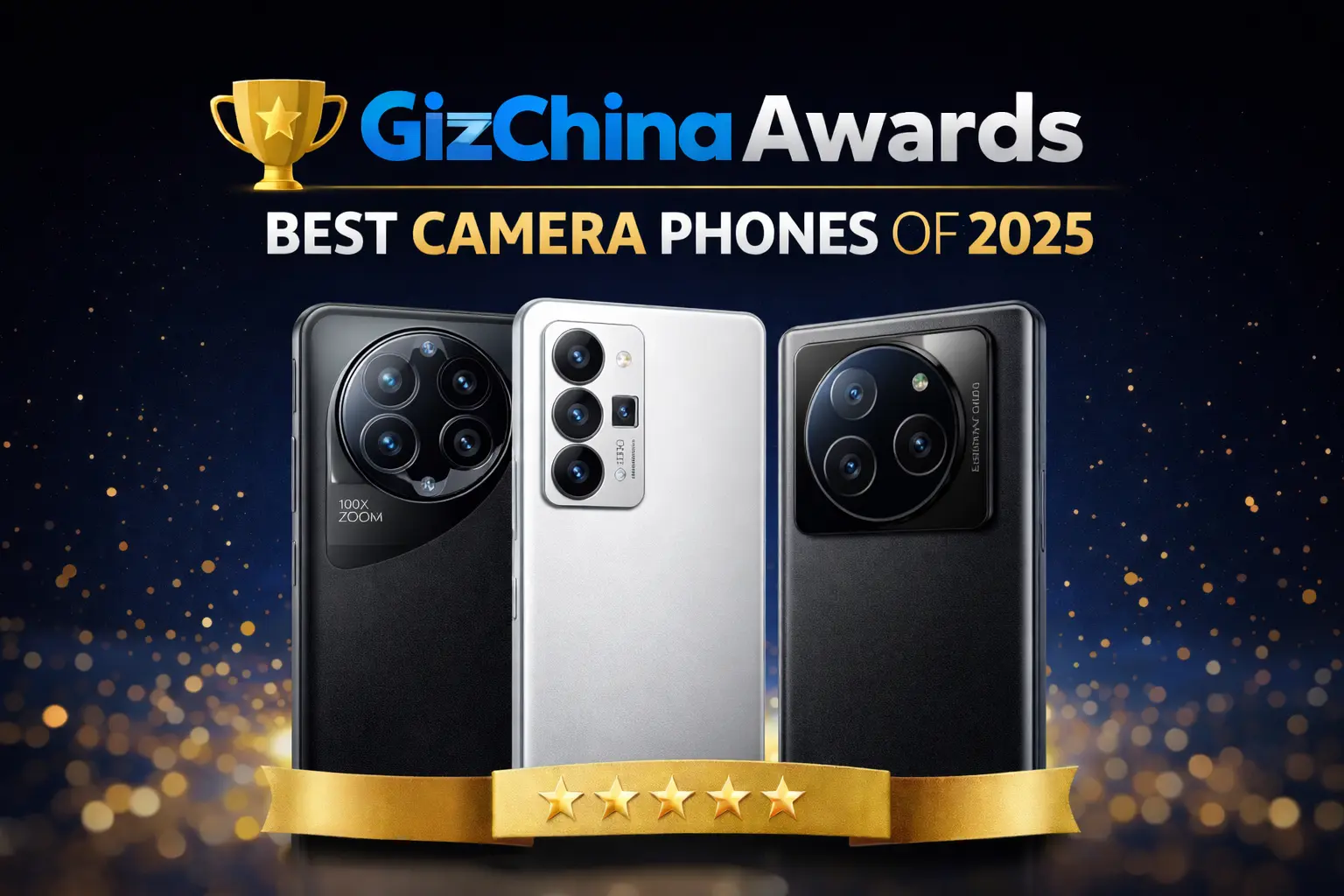
Camera phones in 2025 show big gains in sensor power, zoom, and video. Some
phones focus on large sensors for low-light shots, others on long zoom, while a
few focus on video. As the year comes to an end, we take a look at some of the best camera phones of 2025. These phones have all been on the market for a while. Thus, this list is facilitated by actual user remarks and not just some benchmark.
Factors to check when buying a phone for photos
If you’re picking a phone for photos, first think about the sensor. Bigger ones usually grab more light, so night shots aren’t just dark blobs.
A wide lens helps too — indoor photos come out brighter. Fast lenses are nice because tricky lighting doesn’t ruin the shot.
Stabilization matters, especially if you zoom or record video by hand. Optical zoom keeps things sharp; digital zoom can make stuff fuzzy.
Ultra-wide lenses are handy for groups or big landscapes. Video should move smoothly and look natural, not weird or washed out.
And yeah, don’t forget the front camera. Selfies, video calls — it makes a difference.
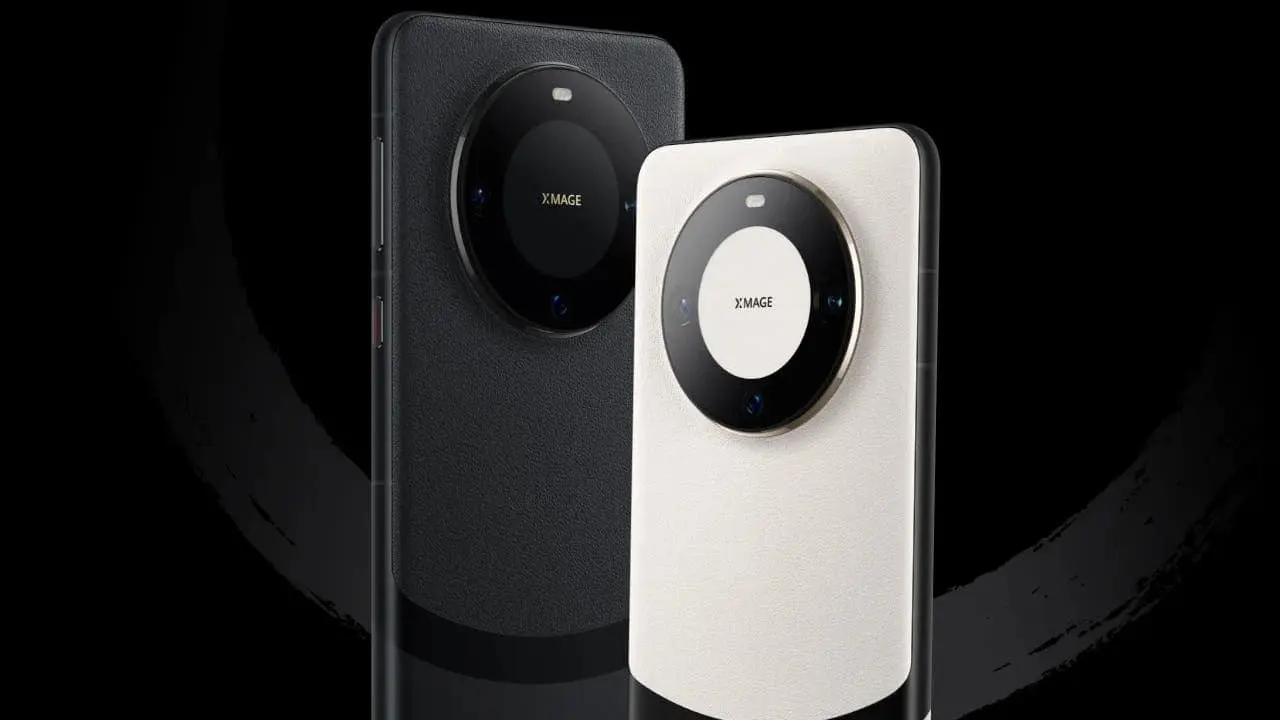
Samsung Galaxy S25 Ultra
For daily and creative photography, the Galaxy S25 Ultra provides a
versatile camera arrangement. Even in poor light, its 50MP main lens with f/1.8
and stable support creates clear images. Handling group shots and scenery with
a 120° view, the 12MP ultra wide lens allows 3x optical zoom ideal for distant
objects without losing detail. Offering viewers either 4K at 60 fps or 8K at 30
fps, video alternatives allow them to choose for either smooth movement or high
detail. Clear selfies and video calls benefit from the 12 MP front lens.

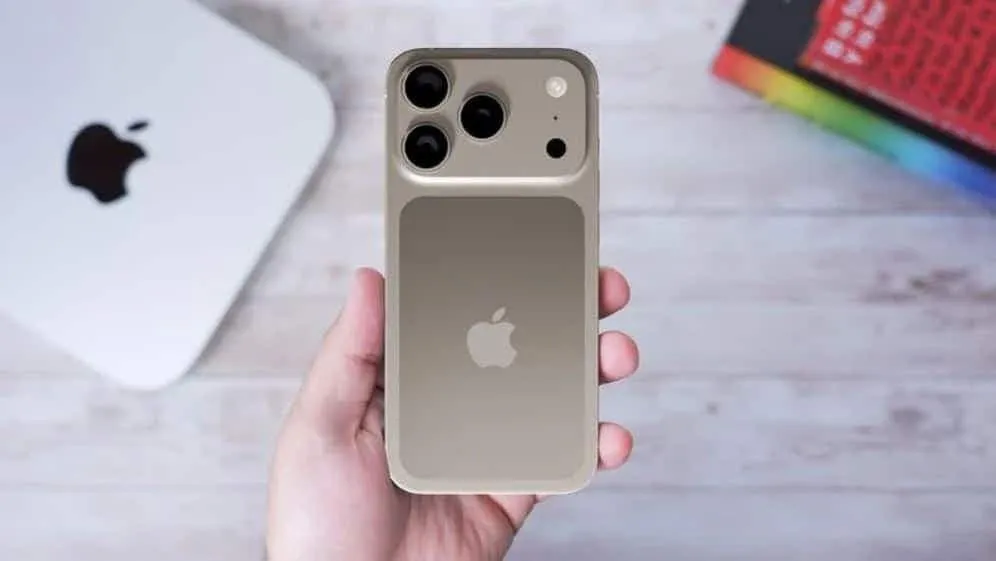
iPhone 17 Pro Max
Apple guides the iPhone 17 Pro Max
camera toward accurate colors and fluid video. The 48MP main lens, f/1.78,
sensor shift enables sharp handheld photographs. With consistent colors at
borders, its 48MP ultra wide lens provides 120 degrees of coverage. While the
gadget provides up to 8x zoom for close framing, its 48MP telephoto lens
provides 2x optical zoom, which is ideal for portraits or mid-range
photographs. HDR at 4K 120 frames per second is captured with video; the 18MP
front lens is strong for calls or movies in 4K.
Nubia Z80 Ultra
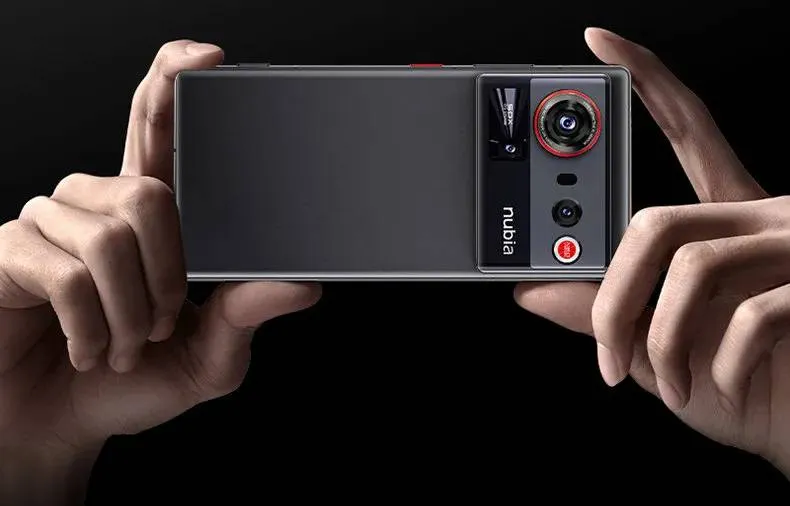
Low light and detail are the focus of the Nubia Z80 Ultra,
whose 50MP main lens, f/1.5, with a 1/1.3-inch sensor draws in light for night
photographs. Giving long reach and near focus, its 64MP periscope telephoto
lens also functions for macro at 15 cm; the 50MP ultra wide lens covers 120°, so
users may frame wide shots. Optical steady lessens blur in handheld zoom
images. Though it performs best in bright light, the 16MP under-screen front
lens preserves the clarity of the display. Users who appreciate sensor
capability and zoom range will like this phone.
Google Pixel 10 Pro XL
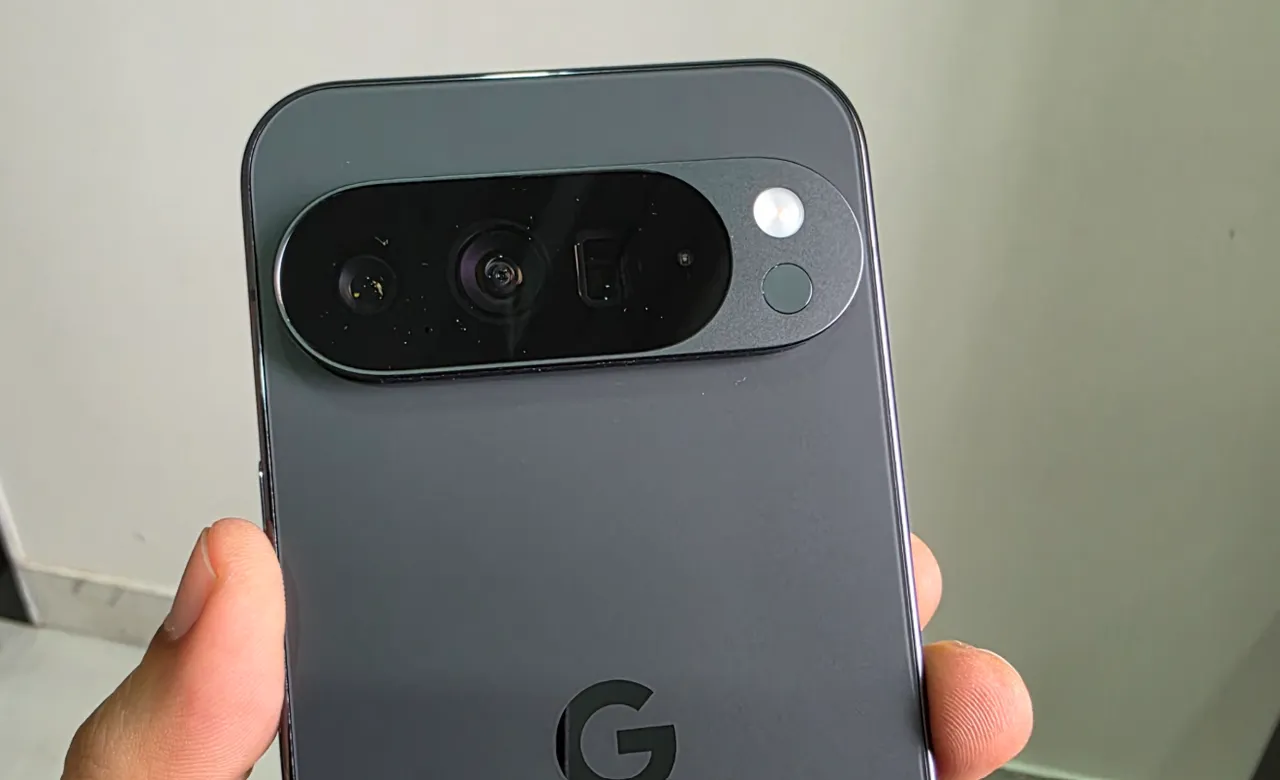
The Pixel 10 Pro XL aims at clear detail and zoom control. Its 50MP main
lens, f/1.7, has optical steady support to keep moving subjects sharp. A 48MP
5x telephoto lens lets users capture far subjects with little color shift. Macro
photos are supported by the 48MP ultra broad lens. With fluid color, video
features 4K at 60 fps and 8K at 30 fps. For group calls or broad selfies, the
42MP front lens offers 103° view. Users wishing for crisp images without
complicated settings would benefit from this smartphone.
iQOO 15
The iQOO 15 lens system targets wide scene coverage and mid zoom. Its 50MP
main lens, f/1.88, has optical steady support for sharp shots in light. The
50MP ultra-wide lens captures 150° views, great for halls or landscape shots. The
50MP periscope lens gives 3x optical zoom. Video focuses on smooth motion, not
high frame rates. The 32MP front lens is clear for selfies and calls. This
phone suits users who want wide capture and solid results without extra steps.

Vivo X300 Pro
The Vivo X300 Pro focuses on long zoom and macro detail. Its 200MP periscope
lens, 1/1.4" sensor, f/2.67, gives 3.7x optical zoom for far subjects. The
50MP main lens, f/1.57, captures low-light shots. The 50MP ultra-wide lens
covers group and land shots. Macro zoom works for close shots without a
separate lens. The 50MP front lens handles selfies and video. This phone fits
users who want far reach with great detail.

Xiaomi 15 Ultra
The Xiaomi 15 Ultra focuses on sensor scale and zoom options. The 50MP main
lens uses a full one-inch sensor, f/1.63, for wide light capture. Zoom is split
between a 50MP 3x telephoto lens and a 200MP periscope 4.3x lens, keeping far
detail sharp. The 50MP ultra-wide lens allows macro shots down to 5 cm. Video
goes to 8K. The 32MP front lens records 4K. This phone suits users who want
both scale and flexible zoom for all photo needs.

Final Words
When it comes to the camera of a mobile phone, it's a bit more dicey than stacking hardware. High pixel does not always mean better images. Software optimization can be great but they are not always cool. Users need to know exactly what they want and go for it. However, price may be an issue. The Apple and Samsung options are pricey. But, there are Chinese options that are cheaper.
Popular News

Latest News
Loading