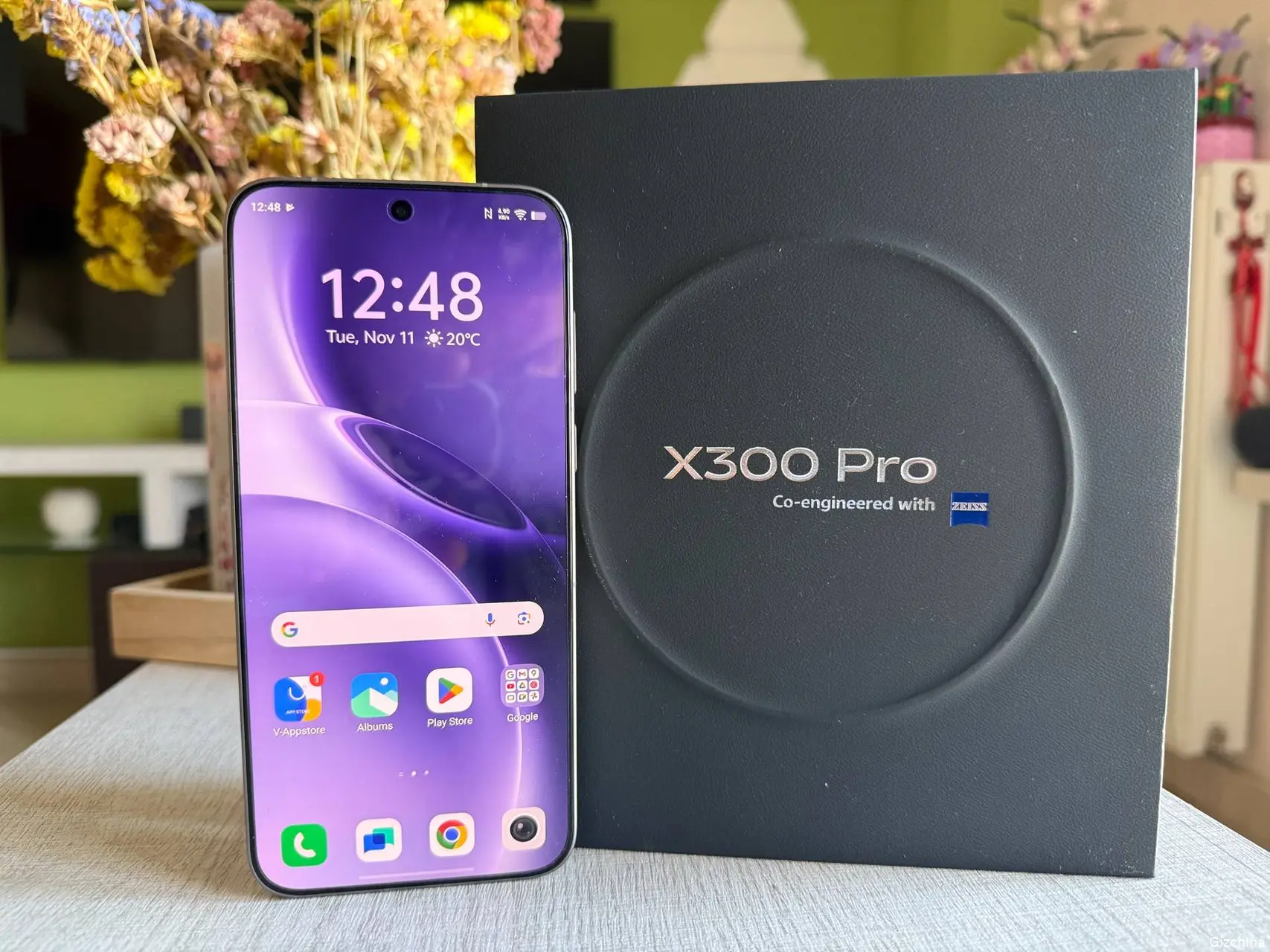
I’ve been using the Vivo X300 Pro for a little over three weeks now. Long enough that the initial excitement settled, but not quite long enough to call it “routine.” Phones rarely stay interesting past the first few days, yet this one, oddly, did. Maybe it’s the camera system. Maybe it's the way it subtly pushes me to take photos during walks I normally wouldn’t bother documenting. Or, perhaps, it's because the phone never tries too hard to impress—which paradoxically helps it stand out.

Anyway, let me walk you through what it has been like to actually live with this thing.
vivo X300 Pro specifications
- 6.78″ (2800 x 1260 pixels) 1.5K LTPO AMOLED 20:9 aspect ratio screen with HDR10+, 1-120Hz refresh rate, up to 4500 nits peak brightness, 2160Hz PWM dimming, DC-like dimming, Armor Glass protection
- Octa-Core Dimensity 9500 3nm processor with Arm Mali-G1 Ultra MC12 GPU
- 12GB / 16GB LPDDR5X RAM (LPDDR5X Ultra Pro Quad-Channel in satellite communications edition), 256GB / 512GB / 1TB (UFS 4.1) storage
- Android 16 with Origin OS 6
- Dual SIM (nano + nano)
- 50MP camera with 1/1.28″ Sony LYT828 sensor, f/1.57 aperture, OIS, 50MP ultra-wide-angle camera with f/2.0 aperture, 200MP 1/1.4″Samsung HPB ZEISS APO periscope telephoto camera with f/2.67 aperture, OIS, 3.7x optical zoom, telephoto macro, Zeiss T* coating, ZEISS optics, V3+ and VS1 dual imaging chips imaging chips
- 50MP front-facing camera with f/2.0 aperture
- In-display ultrasonic fingerprint sensor, infrared sensor
- USB Type-C audio, Stereo speakers, Hi-Fi audio
- Dimensions: 161.98×75.48×7.99mm;Weight: 226g
- Dust and Water resistance (IP68 + IP69)
- 5G SA/NSA, Dual 4G VoLTE, Wi-Fi 7 802.11 be, Bluetooth 5.4, GPS: L1+L5, Beidou: B1C+B1I+B2a+B2b, GLONASS: G1, Galileo: E1+E5a+E5b, QZSS: L1+L5, NavIC: L5, USB Type-C 3.2 Gen1, NFC
- 6510mAh battery with 90W ultra-fast flash charging, 40W wireless charging and reverse wireless charging
Design & Build: Minimalism Done Deliberately
The first time I picked up the Vivo X300 Pro, my very first thought was: this feels more like a tool than a toy. Not that it's unattractive—quite the opposite. The back panel on my Dune Brown unit has this muted, earthy tone that settles nicely under bright light. It’s glass, but its matte texture prevents the usual smudgy mess. Still, fingerprints end up around the camera island no matter how careful I think I’m being.

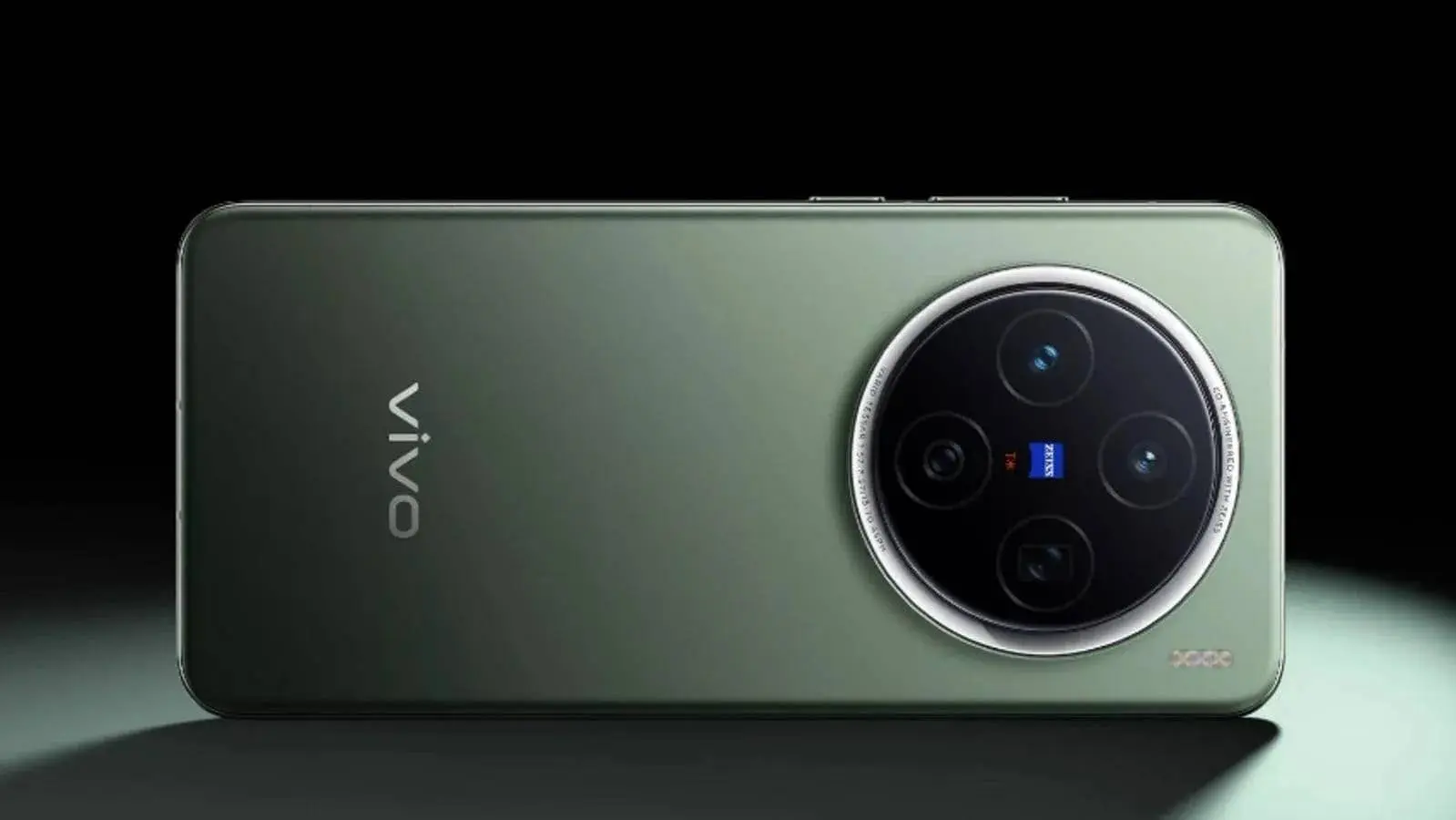
And that camera island… well, it's large. You’ve seen it in photos, but in person the circular module is even more commanding. I wouldn’t say it’s intrusive, although I did notice that playing games horizontally feels a bit awkward until you adjust your grip. The phone isn't the thinnest either—7.99mm—and I occasionally caught myself wishing Vivo had shaved a little bit off. Then again, I suspect the camera hardware makes that impossible.
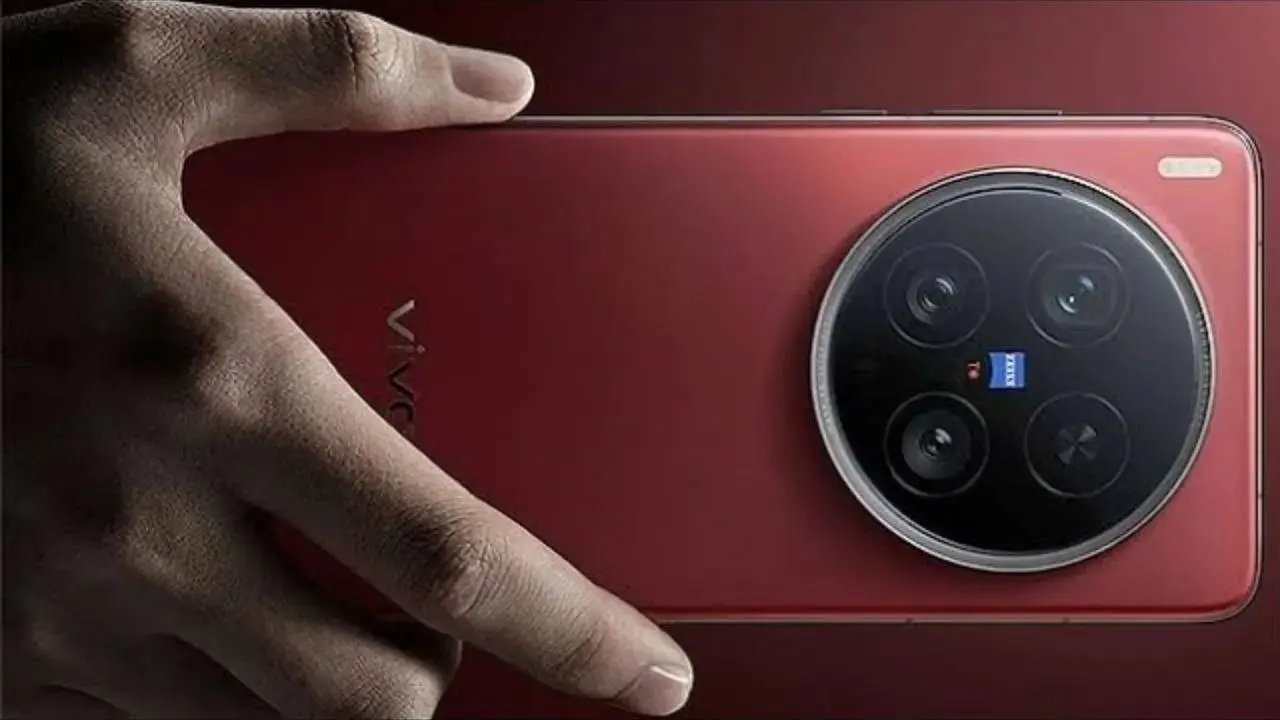
The frame is metal. Solid. And the whole device has that satisfying, quiet rigidity premium phones should have. There’s the usual IP68/69 rating, meaning you're safe from splashes and accidental dips. I did rinse the phone once after a particularly dusty hike; it survived without complaint.

The layout of the buttons is interesting. The volume rocker sits higher than on most phones. That took me about a week to get used to. The customizable shortcut button on the left is genuinely helpful—I set mine to instantly open the camera in Pro mode, though sometimes I accidentally press it while pulling the phone out of my pocket. That’s a small nuisance, but still worth mentioning.
Overall? Minimalist, but not plain. It has a “quiet luxury” vibe. Nothing flashy. Nothing screaming for attention. It just sits there like it's confident it doesn’t need validation.
Display & Multimedia: Great Colors, Odd Audio Choices
The display will be familiar if you used the previous X-series model: a 6.78-inch LTPO AMOLED with a crisp 1.5K resolution and a smooth 120Hz refresh rate. Vivo didn’t reinvent anything here, which is fine because the panel is excellent already. The brightness peaks at a very sharp 4500 nits under HDR conditions, which feels almost surreal outdoors. There were moments—especially under midday sunlight—where I felt like the screen looked brighter than the world around it.

Color accuracy is strong, though a little more saturated in the default mode than I personally prefer. Once I switched to the “Professional” color profile, movies and photos looked noticeably more balanced.
Watching content on this phone feels immersive. The viewing angles are wide, and animations glide smoothly. On a slow weekend, I ended up watching two full episodes of a series on it—not something I typically enjoy doing on a phone, but this panel makes it easy.

Now, the more controversial part: the speakers. They’re… fine. Just fine. Not bad, but not in the same league as other flagships. The mids and highs tend to merge together, making certain vocals sound a bit thin. And there’s minimal bass presence. I found myself switching back to wireless earbuds more often than I expected.
The lack of Dolby Atmos support is puzzling. Especially since the screen supports Dolby Vision. It’s like someone forgot to finish the sentence. I'm not sure why Vivo made that decision, but it's one of the few places where the phone doesn’t feel complete.
Cameras: A Photographer’s Phone, Even If You’re Not One
Let’s get to the headline feature—the cameras. I’ll say this upfront: the Vivo X300 Pro might not instantly turn you into a photographer, but it will make you want to behave like one.

The rear setup includes:
- 50MP main sensor with OIS
- 50MP ultrawide
- 200MP periscope telephoto
All co-engineered with Zeiss. And yes, that partnership does feel meaningful here.
Main Camera
The main camera captures photos with a natural tonality that feels closer to what a high-end dedicated camera might produce. Colors lean toward realistic rather than punchy, though occasionally I noticed slight warmth in indoor shots. Dynamic range is excellent, especially in evening scenes where the highlights stay controlled.

Ultrawide
Surprisingly consistent with the main lens. The color science matches nicely, which is something a lot of competing phones still fail at. Sharpness holds up well toward the edges, though not perfectly.
Periscope Telephoto
This is where I’ve had the most fun. The 200MP periscope zoom is wildly capable. Vivo’s stabilization here is genuinely impressive—I managed usable shots at 20× handheld, and even up to 60× with some patience. The Pro Photography Kit (which I got to try) adds a telephoto attachment, a camera-style grip, and physical buttons for zooming and shutter control. Oddly, it made me nostalgic for compact cameras of the early 2010s.
Video
Almost everything shoots cleanly up to 4K 60fps, including the selfie camera, which itself is a 50MP unit. I recorded several clips while walking through a busy city street. Stabilization was stable without over-smoothing, although colors in video mode are slightly more saturated than in photo mode.

There’s a slight learning curve if you dive into the advanced camera modes, but I think a lot of people will appreciate that. I actually enjoyed experimenting with the Zeiss color modes, even if I didn’t always prefer them for everyday shots.
Performance: MediaTek’s Muscle Finally Feels Mature
Inside the Vivo X300 Pro is the MediaTek Dimensity 9500—an upgrade that feels surprisingly refined. Paired with 16GB RAM and 512GB of ample storage, it tackles heavy apps with little effort. There wasn’t a single moment where I felt the phone slow down, even with many apps open in the background. And I tend to multitask aggressively.
Gaming
Genshin Impact at highest settings? Smooth.
CarX Drift Racing? Also smooth.
Heavier titles behaved consistently well, with no full-throttle overheating issues. The back does get warm during extended sessions, but never worryingly so.
For synthetic benchmark fans, scores are great, though you probably already know numbers don’t tell the full story. What stood out to me was how predictable the performance felt. Stable. Reliable. No weird spikes or drop-offs.

Software: OriginOS 6—A Little Quirky, A Lot Polished
OriginOS 6, based on Android 16, might look unfamiliar if you’ve never used Vivo’s ecosystem. It’s clean, with a slightly futuristic vibe. The animations are fluid without being hyperactive. Some menu placements feel unconventional at first, but after a few days, things clicked.
Vivo’s customization options go deep. Almost too deep. The lock screen alone could keep a hobbyist busy for an hour. I liked that the system gives you different “modes” for home screens depending on whether you prefer minimal or widget-heavy layouts.
Notifications behave consistently. Battery optimization is aggressive in the background, though you can easily whitelist apps.
Is it perfect? Not really. A few settings are buried deeper than they need to be. And I occasionally encountered small language inconsistencies—minor things, but still noticeable.
Battery & Charging: A Reliable All-Day Companion
The 6500mAh battery may not seem special, but paired with the LTPO display and MediaTek’s updated efficiency, battery life is dependable. Most days I ended with about 20–30% remaining, even with mixed usage (photos, browsing, streaming, and a bit of gaming). With heavier camera days, it dips faster, naturally.

Charging is impressively quick. I went from 10% to 80% in what felt like half an hour, though I didn’t time it precisely. Wireless charging is supported as well, though not as fast.
Key takeaways
- Flagship 6.78" LTPO display with 120Hz, HDR10+, and Dolby Vision.
- Dimensity 9500 + Mali-G1 Ultra GPU delivers top-tier performance.
- Zeiss triple-camera system with 50MP gimbal main and 200MP telephoto.
- Big 6,510mAh battery with 90W wired and 40W wireless charging.
- Full connectivity + IP68/IP69 durability and ultrasonic fingerprint.
Verdict: A Phone With a Purpose
The Vivo X300 Pro isn’t a phone built to please everyone. It’s built to please someone who cares—maybe obsessively—about photography. Yet surprisingly, it also works well for people who simply want a dependable flagship that doesn’t feel like a carbon copy of everything else on the market.

There are a few odd decisions: the average speakers, the missing Dolby Atmos, the slightly tall volume rocker. But those quirks almost make the device feel more… human? As if Vivo prioritized the camera system so heavily that the rest became a supporting cast. And maybe that's the point.

If you want exceptional mobile photography and a phone that quietly encourages creativity, the X300 Pro is easy to recommend. Even if you’re not a photographer, you might end up becoming one—at least on weekends.
Popular News

Latest News
Loading