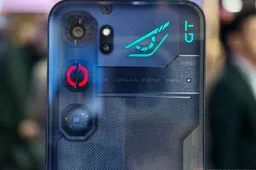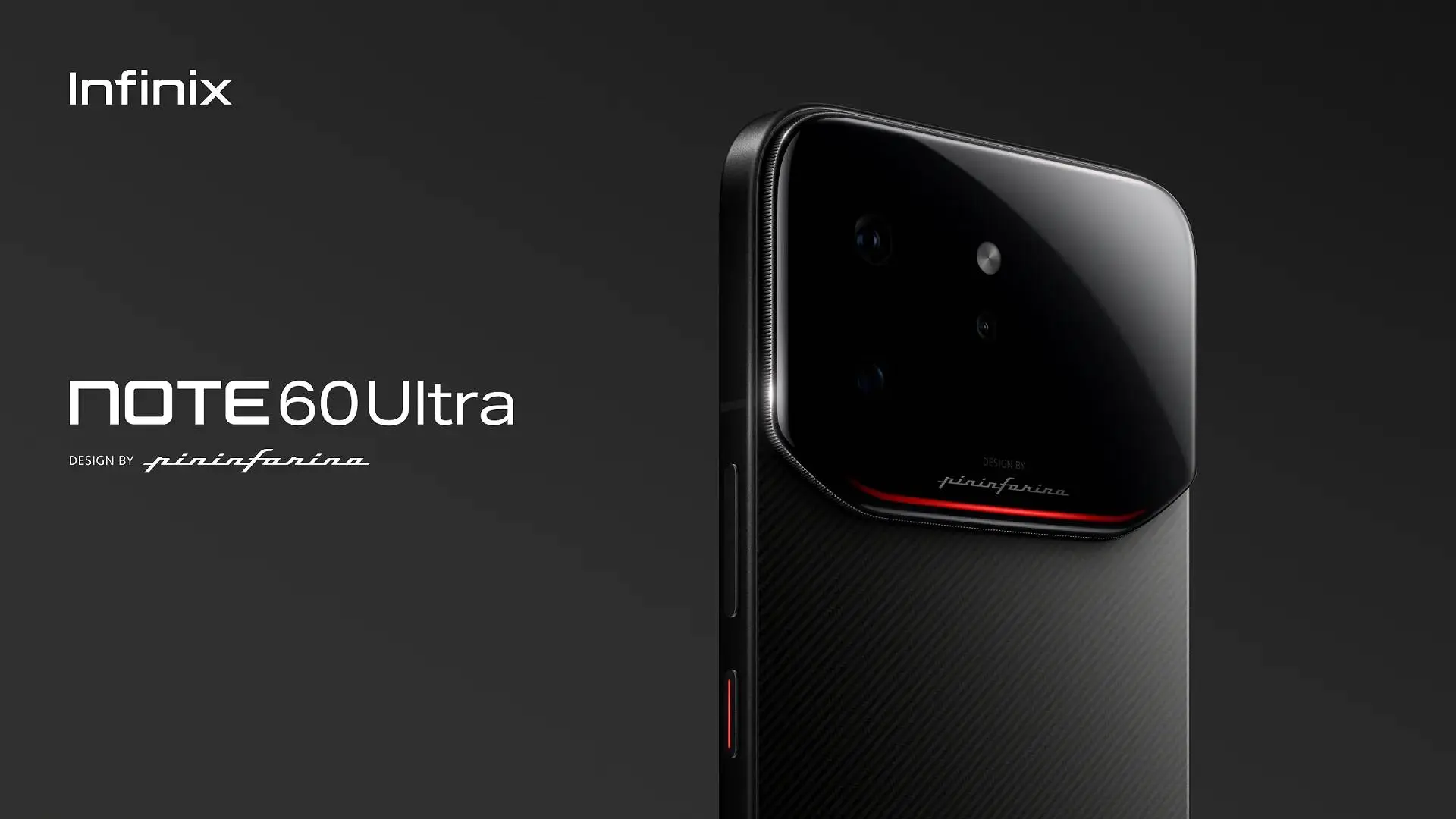
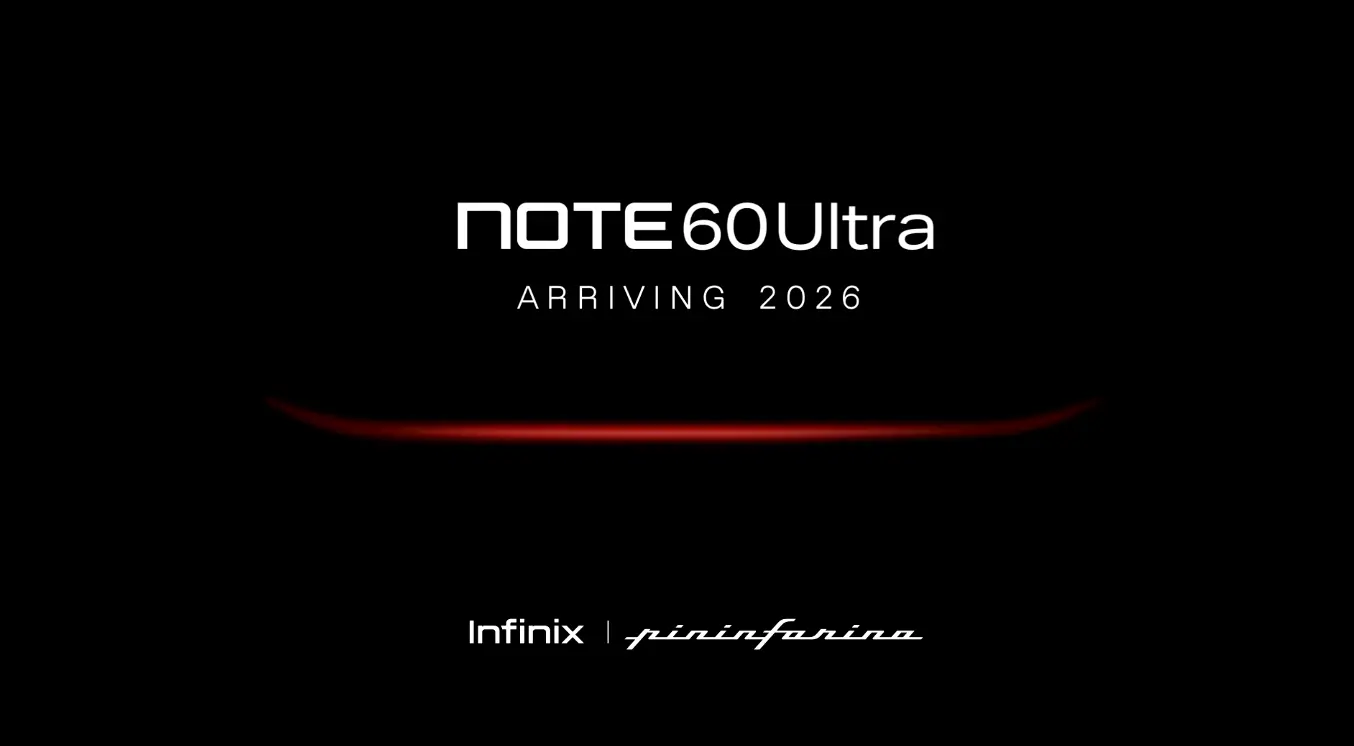
When a smartphone brand partners with a legendary Italian supercar design house, you pay attention. Infinix just did exactly that — and the result is the NOTE 60 Ultra, unveiled at MWC 2026 in Barcelona.
This isn't a budget phone with a fancy name. It's a genuine flagship push. And some of the hardware choices are genuinely surprising.
Key Takeaways:
- The Infinix NOTE 60 Ultra co-developed with Pininfarina introduces a flush Uni-Chassis Cam Module design that eliminates the camera bump using a single Gorilla Glass Victus rear panel
- A 200MP Samsung ISOCELL HPE main sensor leads a triple-camera system with XDR Ultra HDR capture — a first for the Infinix lineup
- Two-way satellite calling and messaging with claimed global multi-country coverage is the standout functional feature, going well beyond basic emergency SOS
- Proprietary Battery Self-Healing Technology allows the 7,000mAh silicon-carbon cell to recover up to 1% of capacity every 200 charge cycles — an unusual longevity play
- The device ships with MediaTek Dimensity 8400 Ultimate, 144Hz 1.5K display, JBL-tuned stereo audio, and Android 16 out of the box in a double 12GB + 256GB/12GB+512GB configuration

Design First. Always.
The most striking decision? No camera bump.
As phones keep adding bigger sensors, the rear camera module keeps getting uglier and more protruding. Infinix went the opposite direction. The NOTE 60 Ultra uses what they call a Uni-Chassis Cam Module — a single continuous sheet of Corning Gorilla Glass Victus that integrates the cameras flush into the body. Clean rear. Smooth silhouette. Supercar logic applied to smartphone design.
Pininfarina's influence shows in the four colorways too: Torino Black, Monza Red, Amalfi Blue, Roma Silver. Each pulls from Italian motorsport and cultural history. It's coherent, not just cosmetic.
Read also
There's also a floating taillight strip across the rear that lights up on power-on, and a hidden Active Matrix Display on the back that shows notifications and animations. Small details. But they add up to something that feels considered rather than assembled.
200MP Camera, Satellite Calling, JBL Audio
The camera system leads with a 200MP Samsung ISOCELL HPE main sensor. Alongside it sits a 50MP periscope telephoto and a 112° ultra-wide. Zoom range runs from 2× optical crop through to 100× digital. XDR Ultra HDR capture is onboard for the first time on an Infinix device.
But here's the feature that genuinely stands out: two-way satellite calling and messaging. Not just SOS pings — actual calls and messages beyond cellular coverage. Infinix claims broader global country coverage than any phone currently offering this. That's a bold claim worth testing, but if it holds up, it's a meaningful differentiator.
Audio is tuned by JBL through a stereo speaker setup. The display is a 1.5K Ultra HDR panel running at 144Hz with 4,500-nit peak brightness.
Read also
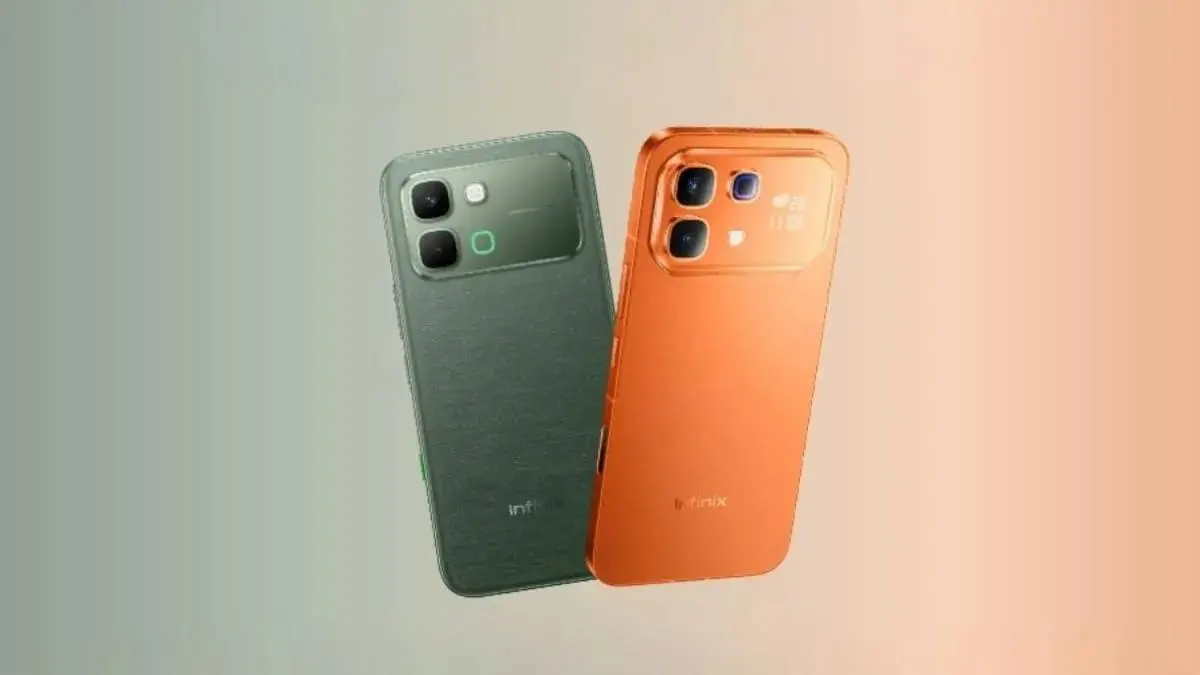
Battery That Heals Itself
The NOTE 60 Ultra packs a 7,000mAh silicon-carbon battery in a slim frame — impressive on its own. But Infinix added something unusual: Battery Self-Healing Technology. The phone reportedly recovers up to 1% of battery health every 200 charge cycles.
Wired charging hits 100W. Wireless charging runs at 50W. Full charge from 1% takes 48 minutes wired. The chipset is a MediaTek Dimensity 8400 Ultimate on a 4nm process, running XOS 16 based on Android 16.
At 12GB RAM and 256GB storage as the single variant, Infinix isn't offering configuration choices — just one package, fully loaded.
Three years of OS updates and five years of security patches round out the ownership promise.
Popular News

Latest News
Loading