955 Horsepower and Image-Grade LiDAR: The 2026 Avatr 12 Doesn't Do Half-Measures
CarsThursday, 09 April 2026 at 10:45
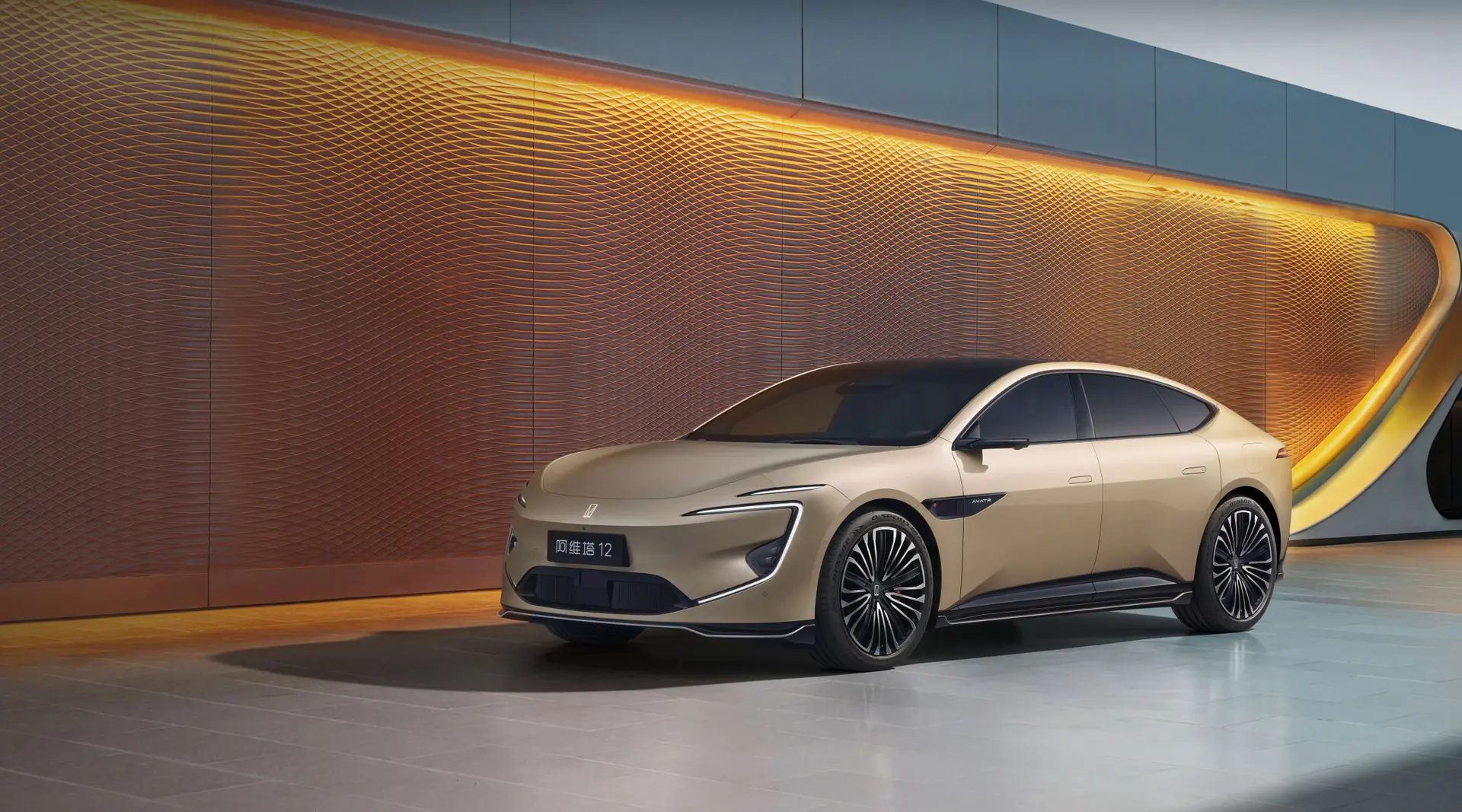
There's a growing pattern in China's premium EV segment: take the tech ceiling, then push through it anyway. The 2026 Avatr 12 is a case study in exactly that.

Summary
- The 2026 Avatr 12 officially launched in January 2026, featuring Huawei's newly unveiled 896-line dual-optical-path LiDAR — the world's highest-specification mass-produced automotive LiDAR unit currently available.
- Seven configurations span pure electric and range-extended powertrains, with pricing starting from approximately 269,900 RMB, up to 429,900 RMB for the Royal Theater Edition.
- The flagship three-motor pure electric variant produces a combined 955 hp and hits 0–100 km/h in 2.71 seconds, powered by a 98.07 kWh CATL 6C Qilin battery capable of charging from 38% to 80% in 10 minutes.
- Avatr's Taihang distributed electric drive system uses a 6-core main control chip executing over 4 billion calculations per second, enabling independent torque control of each rear motor with response speeds more than 100 times faster than mechanical AWD systems.
- The Avatr 12 is a joint venture product of Changan Automobile, CATL, and Huawei's smart vehicle division — and the 896-line LiDAR integration extends Huawei's sensor tech beyond its own HIMA brand vehicles for the first time at this specification level.
Avatr is a strange kind of company. It's a joint venture between a state-owned automaker, the world's largest battery producer, and a tech giant that's simultaneously sanctioned, scrutinized, and somehow still running laps around Western rivals in automotive intelligence. The 2026 Avatr 12 is what happens when all three play to their strengths at once.

The LiDAR That Changes the Perception Benchmark
Start with the sensor, because frankly that's the headline here. Huawei's 896-line dual-optical-path LiDAR isn't an incremental upgrade. It integrates two laser receivers with different focal lengths — one wide-angle for environmental awareness, one telephoto for long-range precision. The result is up to four times the vertical resolution of the previous generation, with confirmed detection of obstacles as low as 14 centimetres in height from 120 metres away. Flat tyres. Fallen cones. Low-reflectivity debris. In challenging light conditions, the system identifies irregular obstacles — leaning poles, construction equipment — with detection reliability claimed at 300% higher than conventional 2D camera systems.
The Avatr 12 pairs this with Huawei's Qiankun ADS 4.0 platform, running a four-LiDAR sensor setup for 360-degree coverage. In emergency scenarios, the quad system detects and initiates braking for obstacles appearing from the side in roughly 0.3 seconds. I suppose you could describe that as fast. It's actually remarkable.
Power Figures That Need No Embellishment
The three-motor pure electric version produces 955 hp from a combination of a 210 kW front motor and twin 251 kW rear motors. Zero to 100 km/h in 2.71 seconds. The battery is a 98.07 kWh CATL 6C Qilin unit — and if 10 minutes to go from 38% to 80% sounds implausible, it isn't. That's what 6C peak charging architecture delivers.
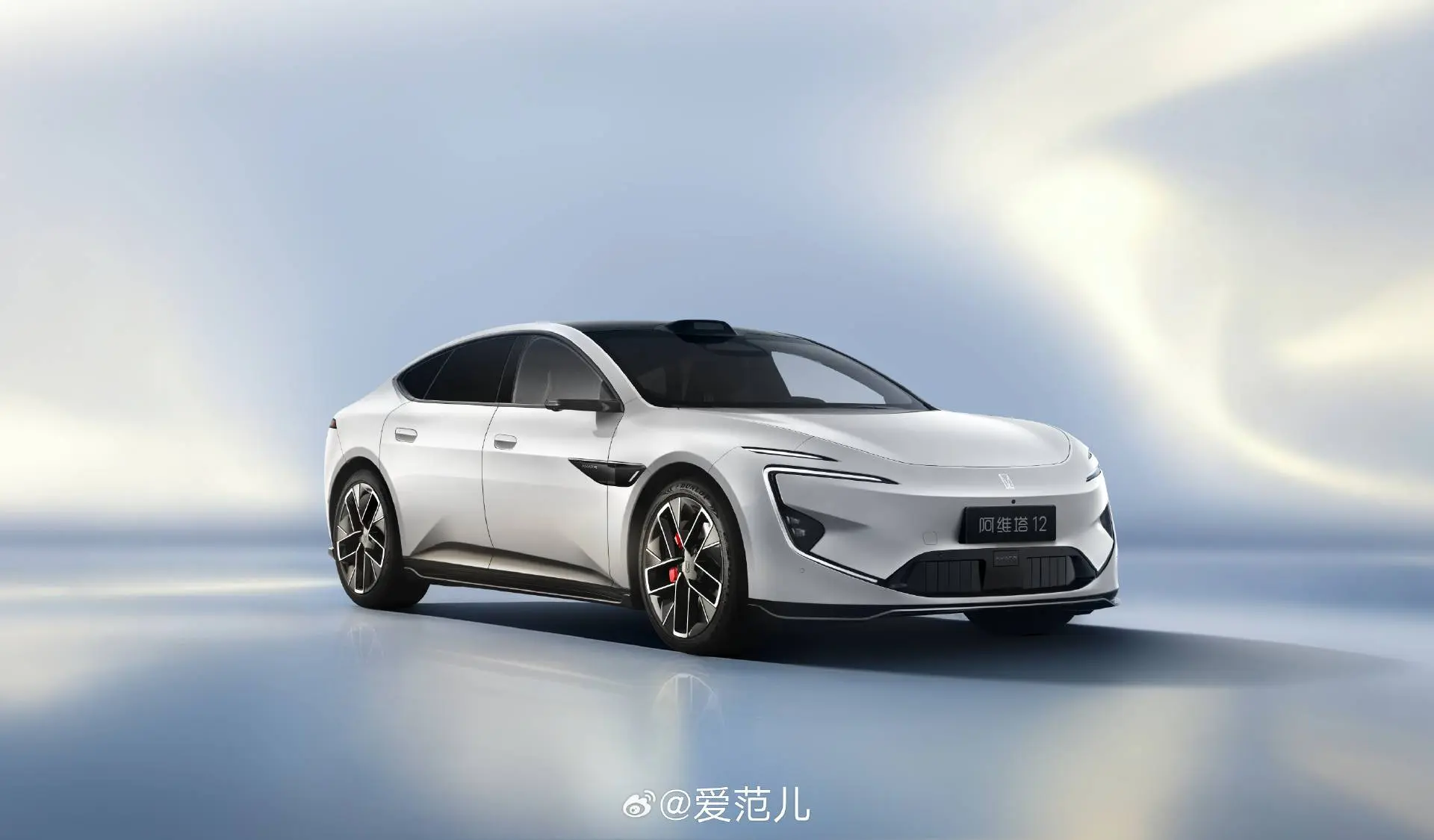
The range extender configuration is no afterthought either. A 1.5T turbocharged unit generating 115 kW pairs with dual 200 kW rear motors and a 52 kWh LFP battery pack. The Taihang distributed drive system underpinning the rear axle uses a 6-core chip processing over 4 billion calculations per second, giving independent torque control to each motor with response speeds more than 100 times faster than conventional mechanical all-wheel-drive systems.
Seven Versions, One Clear Intention
The lineup runs from the dual-motor range-extended Max at approximately 269,900 RMB up through the Royal Theater Edition at 429,900 RMB — the latter featuring a 25-speaker Meridian audio system at 2,016W peak power, a 16-inch rear floating screen, and first-class rear seating. It's a car that wants to sell itself as a luxury experience and a technology demonstrator simultaneously. But here's the catch — that's a genuinely difficult position to hold in a market crowded with vehicles making similar claims.
The 2026 Avatr 12 backs those claims with verifiable hardware. That's rarer than it sounds.
Popular News



Latest News
Loading