Huawei Just Built a LiDAR That Can Spot a Shoebox From 120 Meters Away
CarsThursday, 05 March 2026 at 10:24
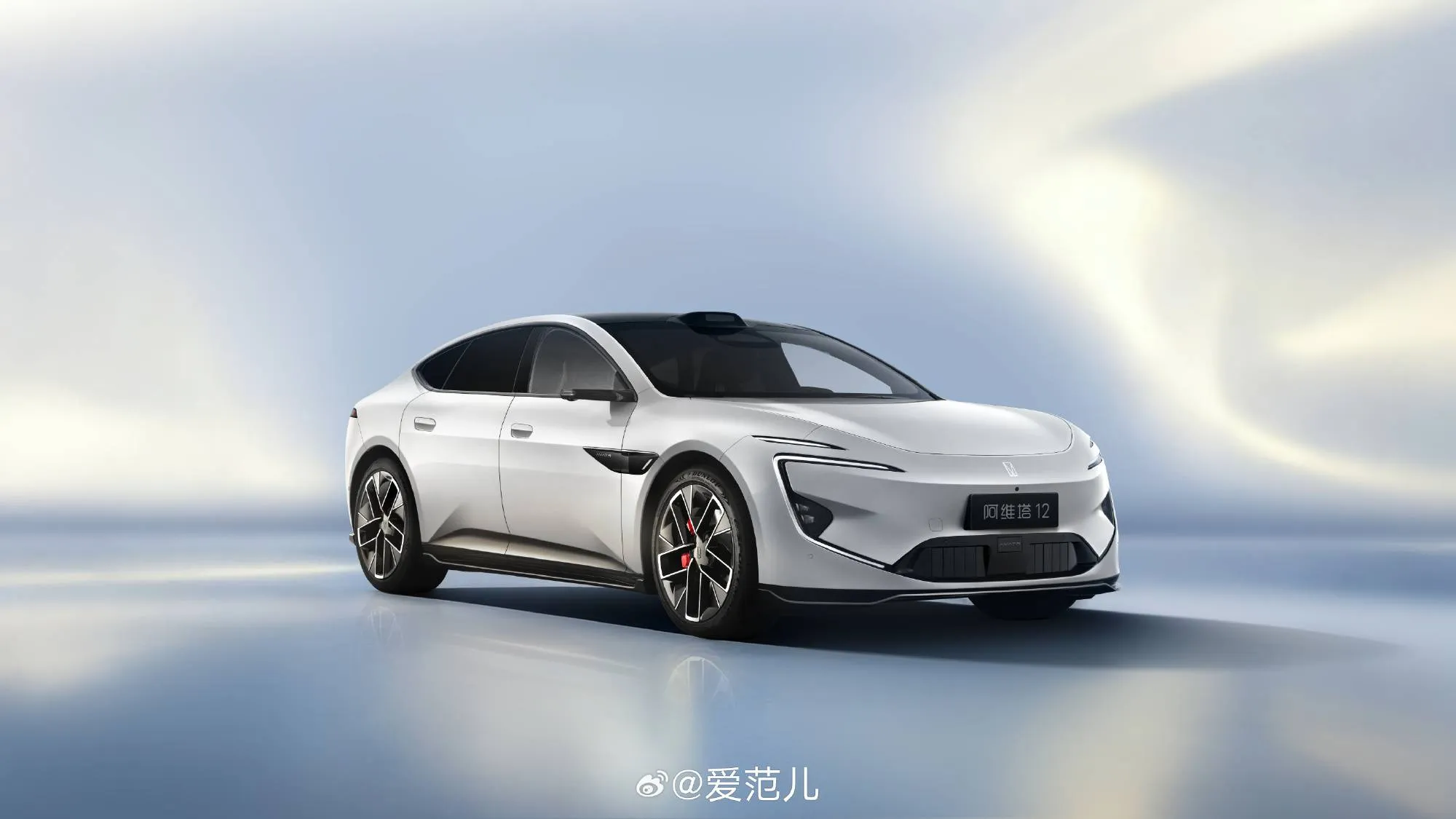
That's not a headline exaggeration. That's the actual spec.
Avatr just confirmed the new Avatr 12 will carry Huawei's next-generation 896-line LiDAR — the highest resolution mass-produced LiDAR on the market right now. And what it can detect at distance is genuinely impressive.
Pre-sale kicks off March 20. Here's why the sensor suite is the story.

Key Takeaways:
- The new Avatr 12 will be the first mass-production vehicle equipped with Huawei's 896-line dual-optical path LiDAR — currently the highest-resolution production LiDAR globally
- The system detects objects as small as 14cm tall from 120 meters — compared to the industry standard of 30cm at the same distance, representing a meaningful leap in perception accuracy
- Distributed 4D millimeter-wave radar complements the LiDAR, enabling detection of irregular obstacles like fallen traffic cones from over 100 meters away
- The Avatr 12 is the first product of the Huawei Qiankun and Avatr Strategic Cooperation 2.0, making it a showcase vehicle for Huawei's expanded automotive ambitions
- Pre-sale begins March 20, with the Taihang Intelligent Control 2.0 system rounding out an intelligent driving stack designed to set a new industry benchmark

896 Lines. Here's Why That Number Matters.
Most mainstream LiDAR systems today use far fewer scan lines. More lines means more data points. More data points means a sharper, more detailed picture of everything around the car.
The current industry standard can identify objects around 30 centimeters tall from 120 meters away. That's roughly the height of a small traffic cone. Adequate, but not exceptional.
Huawei's 896-line system detects objects just 14 centimeters tall at the same distance. That's a cardboard box. Flat on the road. At 120 meters.
That's not a marginal improvement. That's a different category of perception entirely. The system moves beyond traditional point-cloud data into what Huawei calls image-grade LiDAR — essentially, the sensor builds a visual representation of the world rather than just a scatter of dots.

The Dual-Path Design Matters Too
This isn't a single-lens setup. The Avatr 12 uses a dual-optical path configuration. Two separate imaging channels working together to build a more complete picture of the environment.
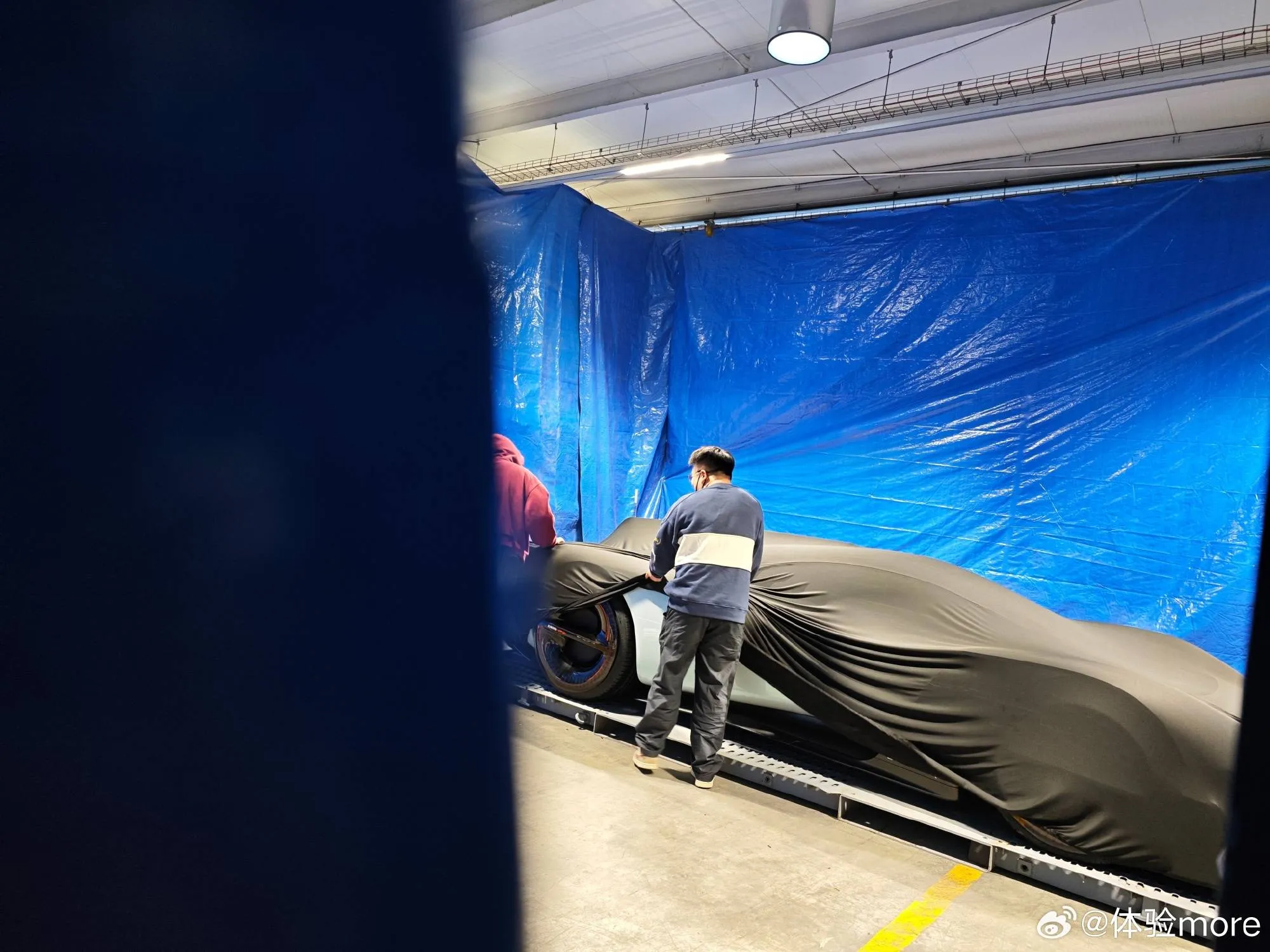
Paired alongside this is distributed 4D millimeter-wave radar. The combination is specifically designed for irregular obstacles — the things that trip up most autonomous systems. Fallen traffic cones. Debris. Objects that don't look like objects.
The system detects those from over 100 meters out. That's the kind of edge-case coverage that separates good ADAS from genuinely trustworthy ADAS.

Avatr 12 as a Test Bed for Huawei's Ambitions
This car isn't just an Avatr product. It's the first vehicle born from the Huawei Qiankun and Avatr Strategic Cooperation 2.0 — a deeper, more integrated partnership than what came before.
The Taihang Intelligent Control 2.0 system rounds out the intelligent driving stack. Between the 896-line LiDAR, the 4D radar array, and the updated control software, Avatr is positioning the new 12 as a full-system showcase — not just a hardware refresh.
Whether it delivers on that promise in real-world driving conditions is the question that only road tests will answer. But on paper? The sensor specs are hard to argue with.
March 20 is the first real test. Pre-sale numbers will tell us quickly whether buyers are paying attention.
Popular News



Latest News
Loading