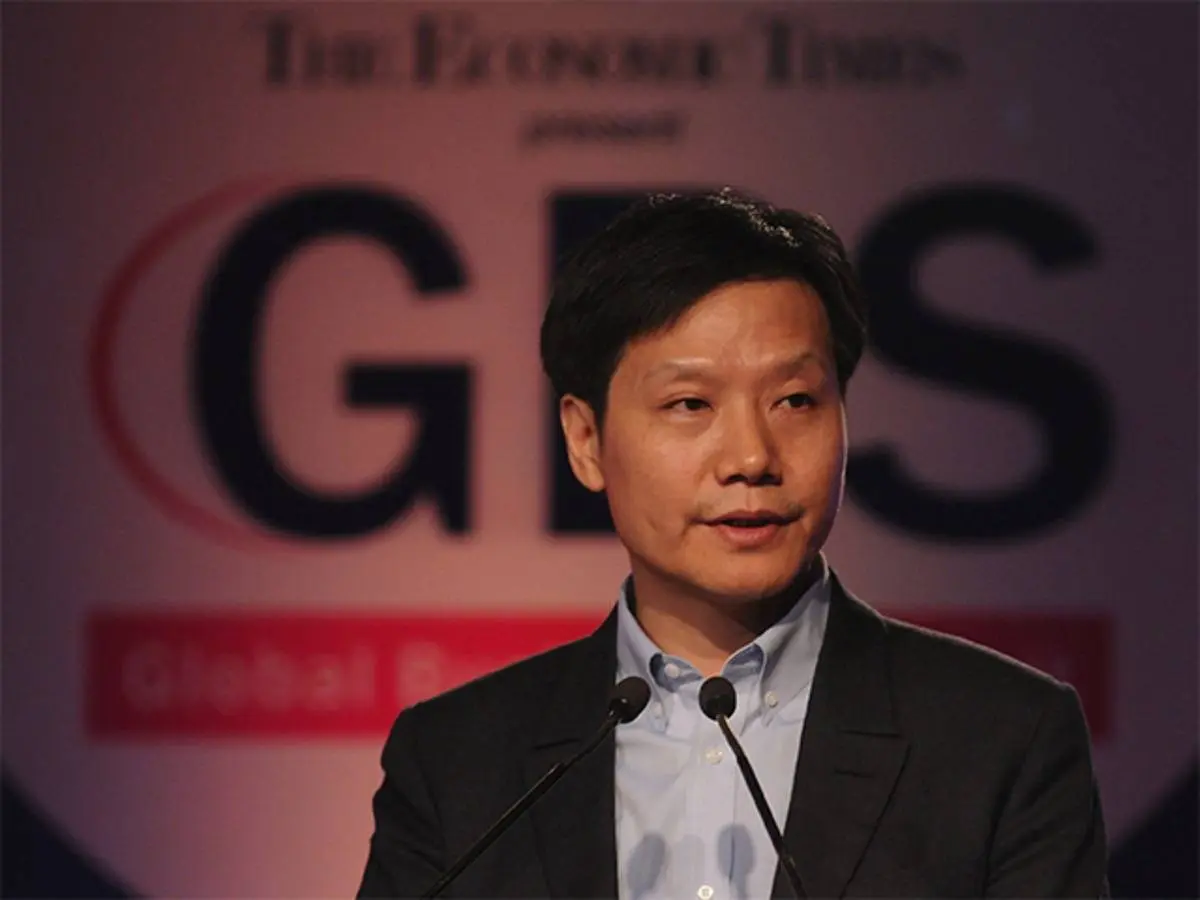
Lei Jun didn't say this at a product launch. He said it at the National People's Congress.
That matters. When the founder of Xiaomi addresses China's top legislative body about the future of smartphones, it's worth paying close attention to what he actually said.

Key Takeaways:
- Lei Jun addressed China's National People's Congress with a clear vision: AIOS — Artificial Intelligence Operating System — will fundamentally reshape how smartphones work and how users interact with them
- He rejected the idea that smartphone innovation has plateaued, arguing that significant room for progress remains but requires deep, sustained R&D investment rather than incremental updates
- AIOS represents a paradigm shift beyond feature upgrades — an intelligent OS layer that learns and acts autonomously, not just one that responds to user commands
- Lei Jun tied technological progress directly to quality control, arguing that breakthroughs only matter if they're delivered reliably across a wide consumer base
- His remarks signal that Xiaomi and the broader Chinese smartphone industry view AI operating systems as the defining battleground for the next hardware cycle
AI Isn't Coming. It's Already Rewriting the Rules.
Lei Jun's core message was direct. We're in the middle of an AI explosion right now — not approaching one. The mobile industry is being reshaped in real time.
His biggest bet? AIOS. Artificial Intelligence Operating System.
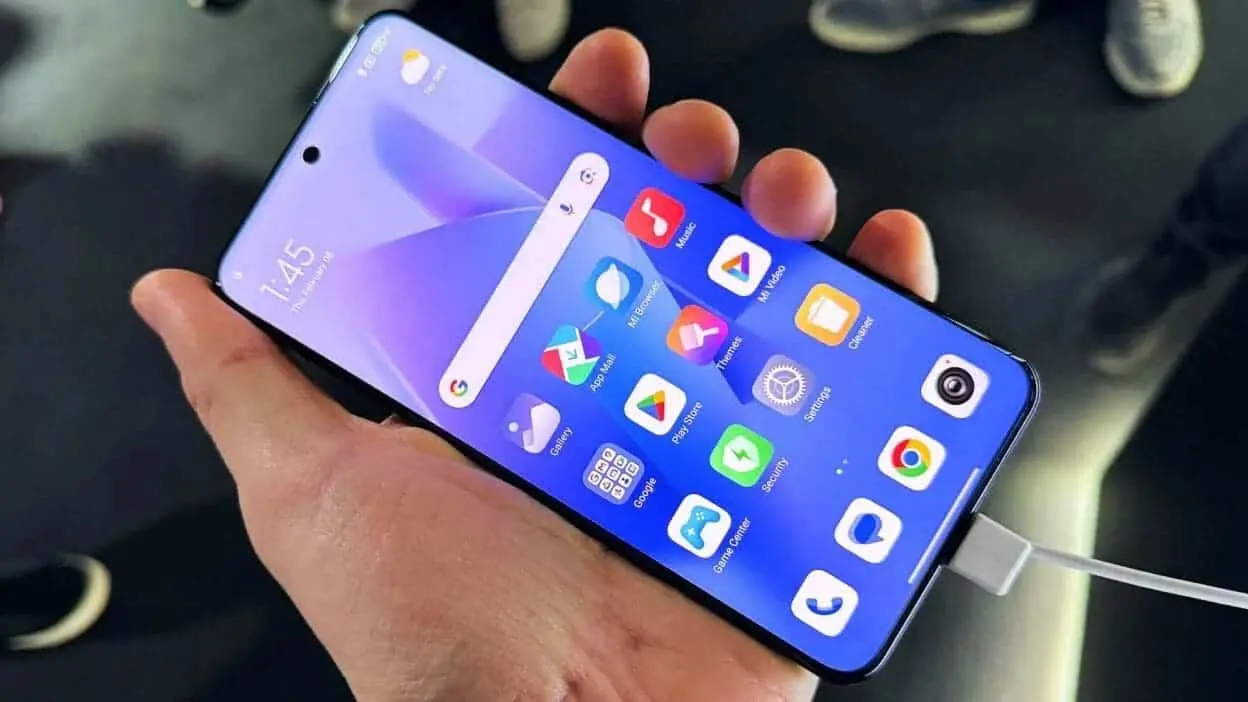
This isn't a feature update. It's not a smarter camera or a better voice assistant. AIOS, as Lei Jun describes it, is a fundamental rethinking of how a smartphone operates. A new layer of intelligence baked into the OS itself — one that learns, adapts, and acts on your behalf rather than waiting for input.
He believes this shift will change daily life and industry at the same time. That's a big claim. But Lei Jun has made big claims before and been right often enough to take seriously.

Smartphones Are Not Done Innovating. Full Stop.
Here's where Lei Jun pushed back against a popular narrative.
A lot of analysts and commentators have spent the last few years arguing that smartphones are mature. Boring. That meaningful innovation has stalled. Lei Jun disagrees — firmly.
His argument is straightforward. There's still massive room for progress. But it requires genuine R&D commitment. Not incremental tweaks. Not feature parity with competitors. Deep, sustained investment in research that actually moves the needle.
I suppose that's easy to say when you run one of the world's largest phone companies. But the argument holds regardless of who's making it. AIOS alone represents years of unsolved engineering challenges. The hardware required to run on-device AI at scale isn't fully there yet. The software frameworks are still maturing. The opportunity is real.
Quality Is the Other Half of the Equation
Lei Jun didn't just talk about innovation. He made a point of linking it to quality control.
Technical breakthroughs mean nothing if the products that carry them fail in the field. His message to the industry was clear: control quality at every stage, not just at launch. Make sure that when new technology ships, it actually works — for everyone, not just early adopters.
That's a harder problem than it sounds. Pushing cutting-edge AI features into affordable devices without compromising reliability is exactly the kind of challenge that separates good hardware companies from great ones.
The road to AIOS runs through R&D budgets, quality labs, and a willingness to stay patient when the technology isn't ready yet. Lei Jun seems to know that. The question is whether the rest of the industry moves at the same pace.
Popular News



Latest News
Loading