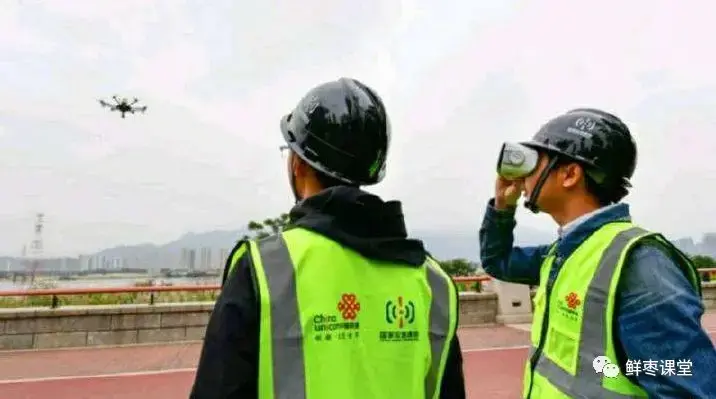
The US plan to block most new drones made
abroad has set off fear among drone pilots. Many say the move puts their work
at risk. For years, pilots across the US have used drones from China for jobs
like land scans, site checks, crop maps, and home photos. Now they fear those
tools may soon be off limits, with no clear swap in sight.

A ban that hits daily work
The rule would stop sales of many new drones
made outside the US. For pilots, this is not a small shift. These tools are at
the core of how they earn a living. Many pilots say they do not pick drones
based on flags or pride. They pick what works, what lasts, and what they can
fix fast.
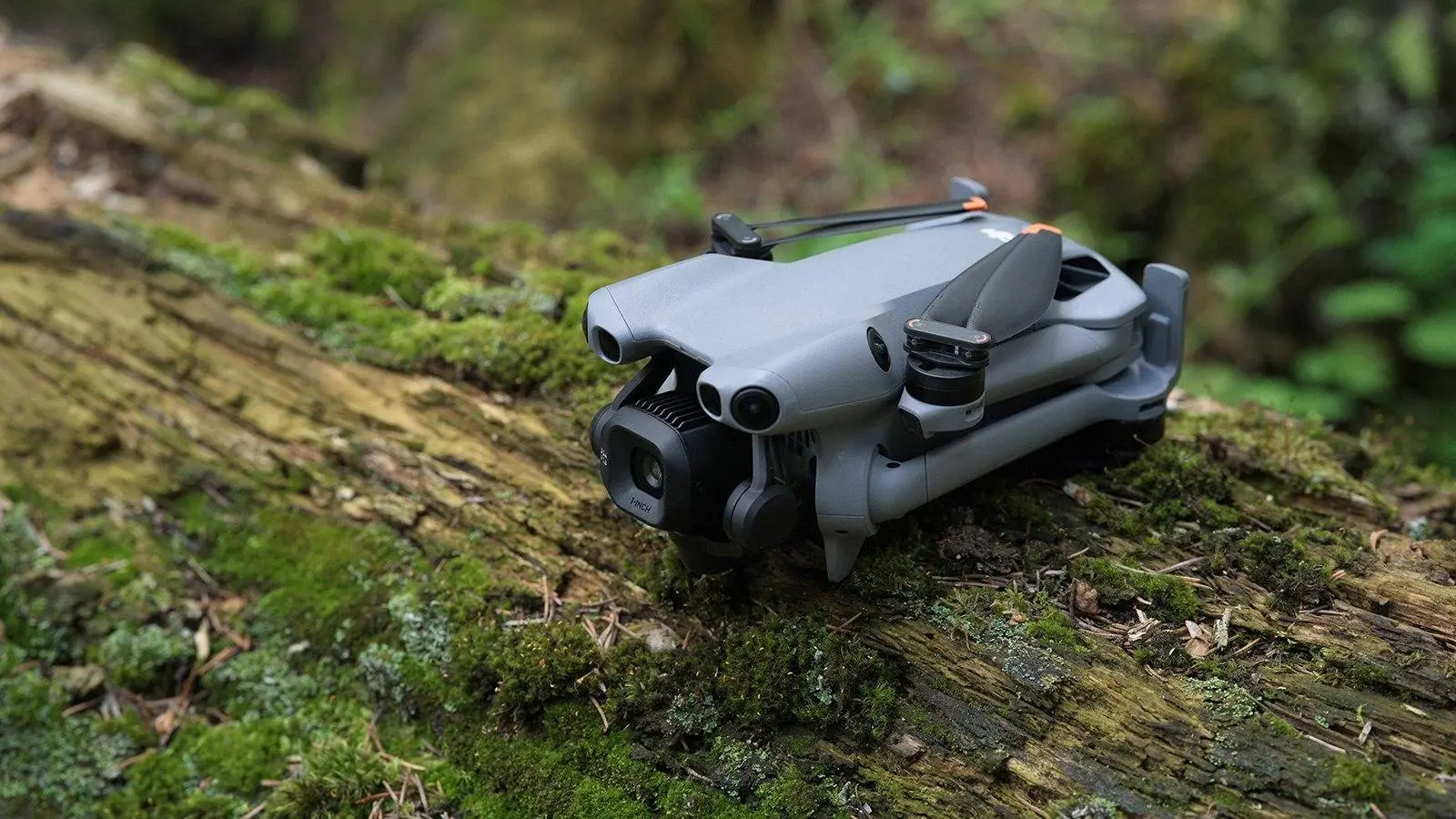
DJI drones hold most of the US drone market.
Pilots say this is due to cost, ease of use, and trust built over time. They
say US-made drones cost more, fly for less time, and break more often. For small
firms, that gap can mean lost jobs or lost clients.
As talk of the ban grew, pilots began to buy
drones in bulk. Some are storing parts and batts to keep old fleets in the air.
They say this is a short fix at best. Once parts run out, work may stop.
Few clear options for pilots
Many pilots say they want to buy US-made
tools. They just say those tools are not ready yet. They cite short flight time,
weak cameras, and poor software. Some also say repair takes too long and costs too
much.
A poll of drone pilots found deep fear. Many
said the ban could ruin their firms. Some said they may last one or two years
at most. This fear cuts deep in rural areas, where drone work helps farms,
roads, and power sites.
For solo pilots, the risk feels worse. These
are small shop owners with few staff. They ask why a tool used over trees and
roofs should face such limits. They also ask why no backup plan is in place.
A wider fight over trade and trust
The ban comes amid a wider fight over trade
and tech trust. US rules aim to guard data and curb risk. Yet pilots say no
proof shows their work puts the US at risk. They note that most jobs store data
on local drives, not far-off sites.
Pilots say the rule may miss its mark. They
fear it will harm small firms more than it helps safety. Many want a slow
shift, not a hard stop. They ask for time, funds, and fair tests so US drones
can grow strong before a full ban takes hold. For now, fear rules the field,
and the sky feels less open than before.
Popular News



Latest News
Loading