Ever heard of vibe-coding? It could reshape the tech space in 2026
EditorialTuesday, 25 November 2025 at 05:09
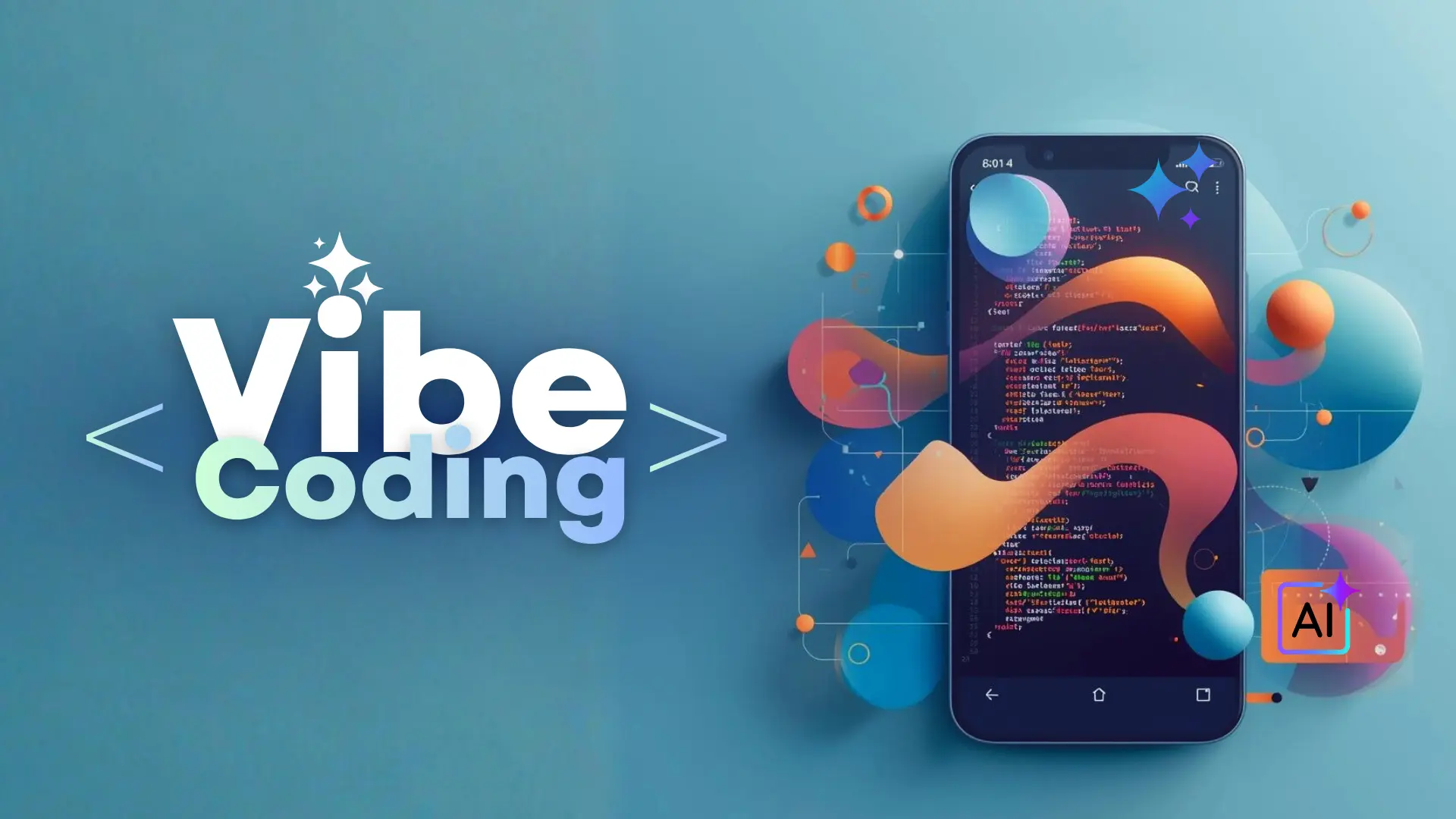
Vibe-coding sounds like something born from a Discord meme, not a serious shift in how we build software. Yet the idea keeps gaining attention. People want faster ways to write code, even if the code is not perfect. They want a workflow guided by intuition, experimentation, and AI tools that handle the boring parts.

It feels messy, a little chaotic, and far from the buttoned-up world of enterprise development. But that is what makes it interesting.
What vibe-coding means
Vibe-coding takes a loose and explorative approach to writing software. You start with an idea, prompt an AI model, and let it sketch out code. You tweak it as you go. Instead of planning every step, you follow what feels right in the moment and adjust fast.
This helps new programmers try ideas they could not build alone. It removes the fear of starting from a blank file. It also brings back that early hacker joy, where the goal is trying things, not shipping polished builds right away.
It works well for learning, building prototypes, or testing new ideas. It breaks down when you need strict rules, security, or long-term support.

Torvalds weighs in
Linus Torvalds, the veteran Linux creator, has noticed the trend. Even if he is not switching his workflow. He said people might already use AI tools in kernel development, though he is not doing that himself. He has seen issues from bots that scrape code and report fake bugs. He said curl got hit even harder than the Linux kernel.
Still, he supports vibe-coding as a way to help users learn. He compared it to typing raw code from old tech magazines when he was young. But tech is more complex today, so using AI to get started makes sense.
His caution is clear: do not use vibe-coding for core systems. It may ship fast, but it leaves a mess for maintainers. It may feel fun, but long-term codebases break when shortcuts pile up.
The split between fun and serious code
Vibe-coding may create two worlds. One world builds cool ideas fast. The other world builds safe systems that last for years. The fun side values speed and flow. The serious side values review, testing, and strict rules.
Torvalds expects AI to become normal tech over time, like compilers and cloud hosting. Not magical, not scary, just useful tools. That means we may not even talk about "AI code" soon. We will just code.
Why vibe-coding matters in 2026
We already see signs of a shift. AI agents write whole projects. IDEs predict functions before you type. People build apps without full knowledge of how they work. This may boost creativity. It also risks shallow skills if used too much.
The market may reward fast ideas instead of perfect code. Startups might launch ten apps and fix the best one later. Big firms might ban AI code in critical paths but use it in internal tools. The culture of software could change at its roots.

The real challenge ahead
Vibe-coding cannot scale on good vibes alone. If AI tools produce wrong code and no one checks, trust collapses. If maintainers waste time cleaning AI-made bugs, they burn out. For vibe-coding to stick, tools must grow up and improve accuracy.
People need guidelines that balance speed with care. You need to know when to vibe and when to slow down.
A shift worth watching
Vibe-coding might not kill old methods. It might just expand how we build things. It could turn coding from a rigid craft into a flexible flow. It could open doors for new builders while pushing experts to refine the rules.
Whether it reshapes tech in 2026 depends on how people use it. The idea has hype, but real power comes when tools help us think better, not just type faster.
Popular News



Latest News
Loading