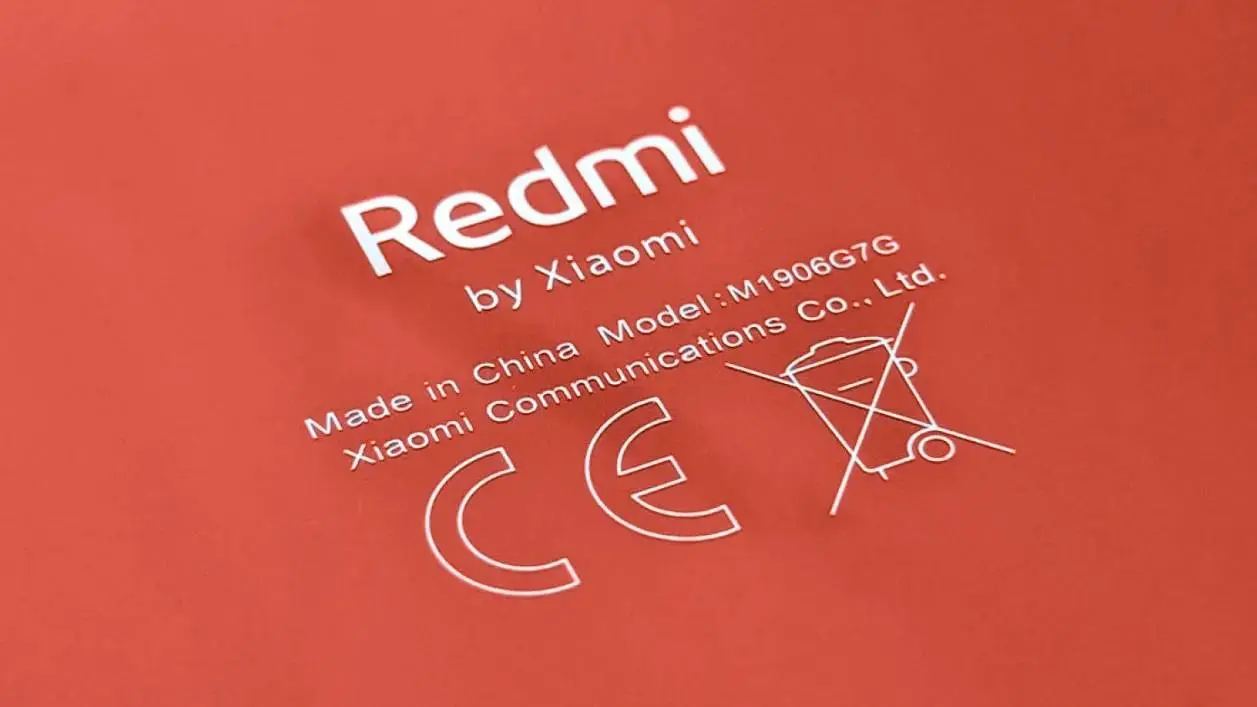
Buying a Xiaomi 17 Pro Max or a Redmi K80 Ultra directly from China might feel like a steal, but in 2026, the "import tax" is paid in software frustration. While the hardware—led by the Snapdragon 8 Elite Gen 5—is undeniable, the gap between Chinese and Global HyperOS 3 has become a chasm. This report examines why your dream phone could become a "technical trap" once it leaves the mainland.
Key Points
- Bootloader unlocking for China-region Xiaomi devices is effectively banned as of 2026.
- Lack of LTE Band 20 support causes significant signal loss in European rural areas and indoors.
- Android Auto and Google Wallet certification are broken on non-global firmwares.
- Aggressive battery management in China ROM leads to significantly missed or delayed notifications.
- Ecosystem devices like the XRING O1 are region-locked to the China-based Mi Fitness app.

1. The Death of the Bootloader
The golden age of "buying Chinese and flashing Global" is officially over. Xiaomi has recently bricked the bootloader unlocking process for China-region devices. Previously, enthusiasts could navigate a 72-hour waiting period; now, the permission system is restricted to established Chinese residents with high "community scores."
If you import a phone today, you are stuck with the China ROM forever. This makes it impossible to install a cleaner, more localized software experience, leaving you tethered to a system cluttered with non-removable Chinese bloatware and services that serve no purpose in international markets.

2. The Band 20 Connectivity Trap
Chinese models often omit LTE Band 20 (800MHz). In the European region and many rural parts of the world, this is the primary frequency for indoor penetration and long-range 4G/5G coverage.
Without it, your flashy new flagship will frequently drop to 3G or lose signal entirely the moment you step into a grocery store or travel between cities.
Even if you live in a well-covered urban center, the constant "signal hunting" puts an immense strain on the modem, causing significant battery drain and device heating. It’s a hardware omission that no software "mod" or update can ever fix.

3. Google Integration and Android Auto
While you can still sideload the Google Play Store, the integration is skin-deep. Android Auto is a major casualty; because the necessary system stubs are missing from the China ROM, the phone won't handshake with your car's infotainment system.
Additionally, banking apps and Google Wallet often flag these devices as "uncertified." In 2026, where digital payments and high-security biometric logins are standard, being locked out of your banking ecosystem turns a premium smartphone into an glorified camera.
Furthermore, features like "Circle to Search" are often disabled or replaced by localized Chinese AI alternatives that lack the same global database.

4. Notification and Battery "Aggression"
The Chinese version of HyperOS 3 is designed for a market without Google Push Services.
To save battery, the system "kills" background apps like WhatsApp, Telegram, or Gmail with ruthless efficiency. Even with "Autostart" and "No Restrictions" battery settings enabled, users report delayed notifications—sometimes by hours—unless the app is manually locked in the multitasking tray.
For professionals relying on real-time communication, this software behavior is a dealbreaker. The system prioritizes battery life at the expense of core functionality, reflecting a usage philosophy that doesn't translate well to Western app ecosystems.

5. Wearable and Ecosystem Locking
The Xiaomi Band 10 and XRING O1 have introduced stricter region-locking. If you pair a Chinese wearable with a Chinese phone, you must set your Mi Fitness region to China. This results in watch faces with Chinese characters, weather data that won't sync with local providers, and a localized "AI" assistant that doesn't speak a word of English.
Moreover, the HyperConnect features—which allow your phone to control Xiaomi appliances—are often regional. A Chinese Xiaomi 17 may refuse to see or control a global-version Xiaomi Air Purifier or Smart Light in your home, shattering the dream of a unified smart ecosystem.
6. The Global Alternative: What's Coming in 2026?
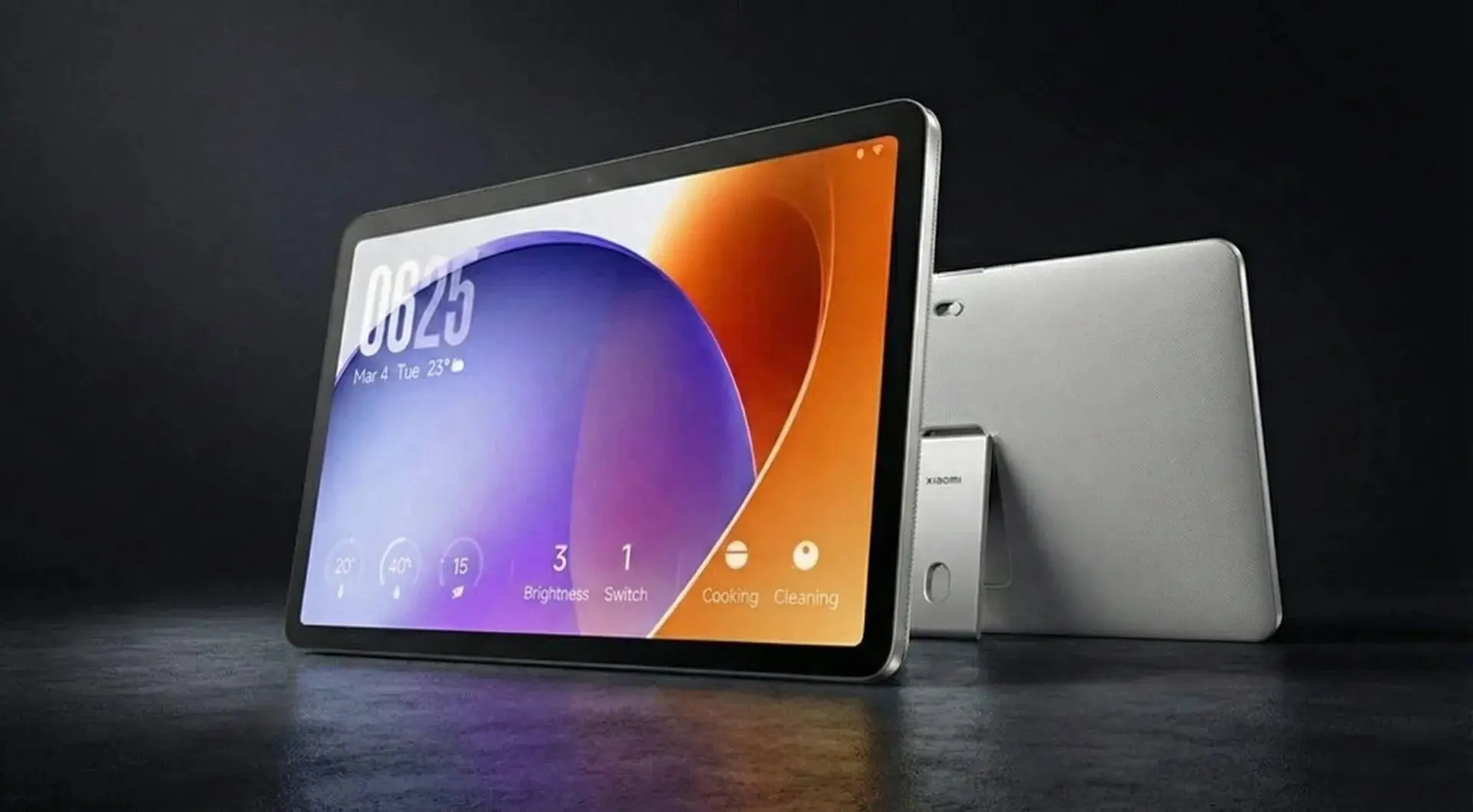
The good news is that global versions are on the way. Leaks say the Xiaomi 17 Ultra (Global) will launch by March 2026. This phone will likely show up at MWC in Barcelona. Some say it may even arrive as early as January to beat the Galaxy S26.
The global model has some trade-offs. The battery is smaller. The China version has a 6,800mAh cell. The global one will likely be capped at 6,000mAh. This is a 12% drop. But you get something much better than a huge battery. You get the International Warranty Service. This covers repairs in the UK, EU, and India. You won't have to ship your phone back to China if the screen breaks.
The global software also works with Google. You can use Android Auto in your car. Your bank apps will work fine. Your notifications will be on time. Paying a bit more for the global model makes sense. It means you own a phone that works where you live. You don't have to fight your software every day.
Popular News

Latest News
Loading