Let’s be honest. Five years ago, the idea of a portless phone sounded ridiculous. It felt like one of those concepts companies show at trade events just to grab headlines. But we're in 2026, and looking forward, it doesn’t feel ridiculous anymore, at least for smartphones.
We’re watching brands quietly build around magnetic charging, larger batteries, and snap-on accessories. Loudly in the battery capacity, but not quite with the magnetic or wireless charging ways. Just slowly. And that’s usually how real shifts happen in this industry. The battery shift is coming with new technologies, and we may see wireless charging becoming available across more price ranges in the coming years.
Apple started normalizing magnetic charging with MagSafe. At first, it looked like a convenience feature. Now it looks more like infrastructure. Meanwhile, Android brands are experimenting with magnetic wireless charging, attachable cooling fans, and ecosystem-style accessories that snap into place instead of plugging in. Samsung's highest flagship, the Galaxy S26 Ultra, has just been launched with magnetic charging.
That’s not random design. That’s long-term planning.
A Portless Device Sounds Like a Reality Some Years Forward
Magnetic charging isn’t just a nicer way to align your phone on a pad. It creates a physical anchor point for an entire accessory ecosystem. You can think of snap-on battery packs or magnetic cooling systems, Gaming attachments, and stands, or Car mounts.

Once that magnetic ring becomes standard, the charging port starts to feel… redundant. Think about it from the manufacturer’s perspective. The USB-C port is universal. Anyone can make a cable. Anyone can make a charger. But a magnetic ecosystem? That’s controlled. That’s branded. That’s monetizable. And once wireless charging speeds get close enough to wired, most consumers won’t care about the difference.
Why Removing the Port Actually Makes Sense
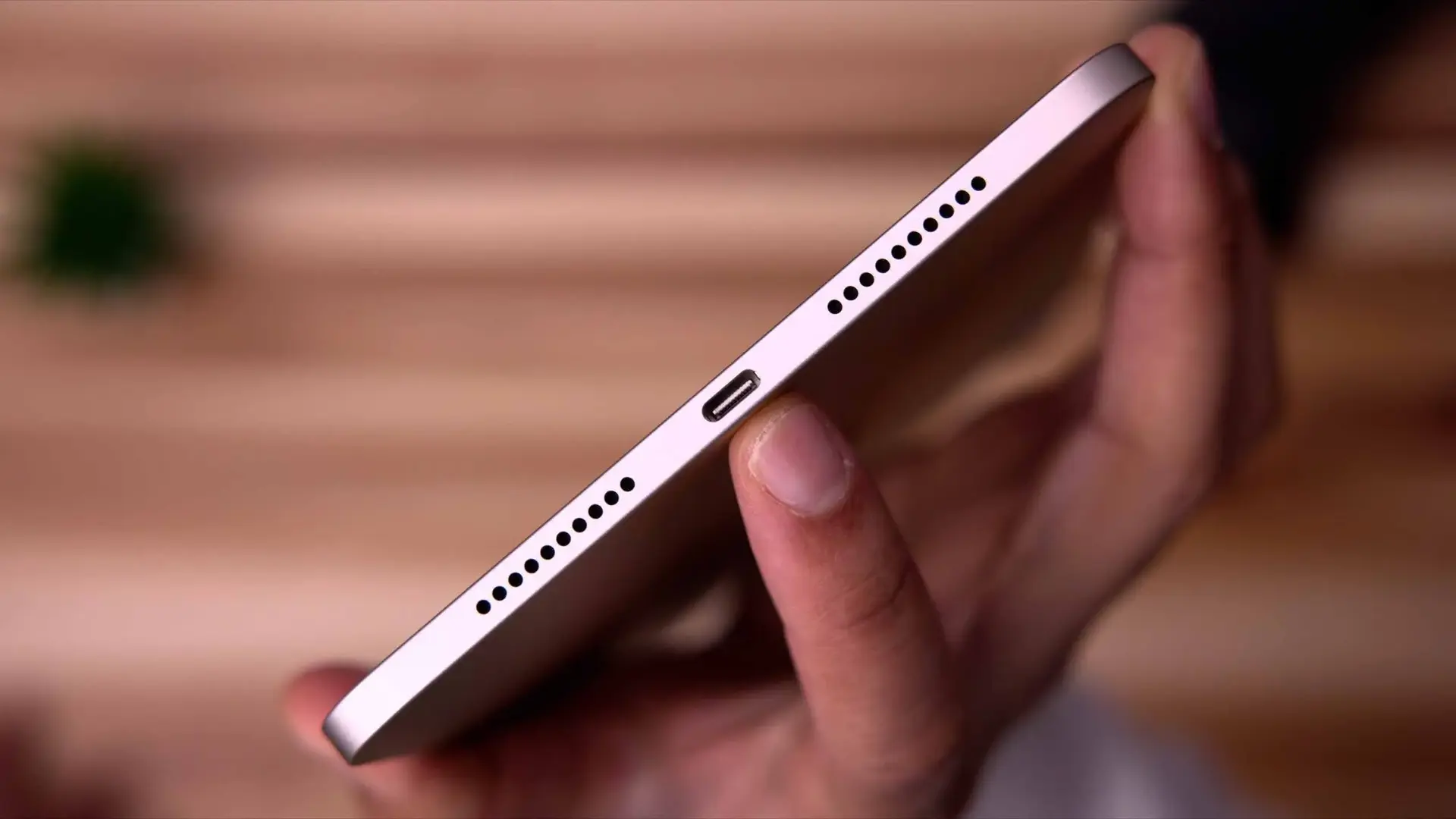
There’s also a very practical side to this. Charging ports are fragile. They collect dust, and they corrode over time. In the worst scenario, they loosen over time. Service centers see this kind of repair constantly. Even I, yeah, the editor, have exchanged the ports of my old phones, just to keep them alive, one or two times in recent years. If you remove the port entirely, you eliminate one of the most common failure points in a smartphone.

Then there’s water resistance; this has been a trend lately, and every hole in a device is a compromise. Removing the port makes sealing the phone easier. This process simplifies engineering and improves durability without needing a complicated internal protection.
Finally, nowadays, space matters more than ever. Batteries are getting bigger and bigger. We all know that the Silicon Carbon tech can do wonders in this regard, but extra room is still extra room. Also, with the power of current chipsets, cooling systems are becoming more important. Flagship chips are pushing thermal limits, and brands are now implementing active fans or even liquid cooling. Internal layout is a puzzle, and removing a port gives engineers more flexibility and space to try out new ideas.
Here’s why the shift feels realistic:
- Magnetic charging ecosystems are expanding beyond one brand
- Wireless charging efficiency improves every year
- Larger batteries reduce dependence on ultra-fast wired top-ups
- Ports remain one of the most common hardware failure points
- Magnetic accessories open up modular design possibilities
None of this guarantees the immediate death of USB-C. Wired charging is still faster. It’s still more efficient. It still generates less heat. But this direction is clear.
There’s also an interesting regulatory twist. The EU pushed USB-C standardization to reduce e-waste. But what happens if a phone has no port at all? A fully wireless device technically sidesteps the rule. That loophole alone makes the future more complicated than it first appears. Curiously, there is one brand that loves to be different with an exclusive kind of port... Yes, Apple.

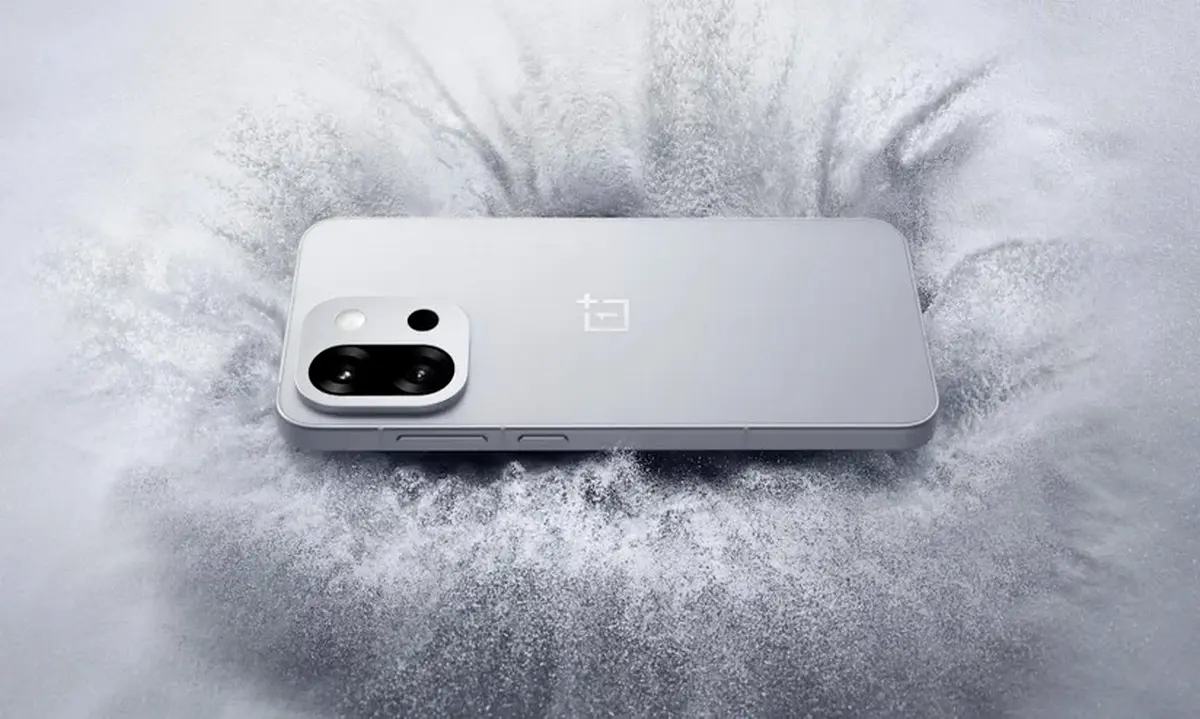
Apple said goodbye to its Lightning port to apply to the rules of a USB-C port. The brand is rumored to launch a portless iPhone in the future. This could be a nice way to achieve exclusivity.
Conclusion
The charging port probably won’t vanish overnight. It won’t disappear in one dramatic keynote announcement. Instead, it will fade out.
First from experimental devices, and then from premium smartphones. Then, maybe, from the mainstream. The real shift isn’t about removing a hole from a phone. It’s about moving from universal hardware standards to controlled ecosystems. Magnetic charging is not just a feature. It’s infrastructure. And once that infrastructure becomes strong enough, the charging port won’t need to be killed.
Popular News
Latest News
Loading