A few years
ago, buying a drone felt easy and free. You could order one, charge it, and
head to a park or beach. For many, it was a fun way to shoot video, snap
photos, or test flight skills. That open vibe is now under strain. In many
regions, new rules now shape how people fly. Users must list their drone, pass
a test, add an ID tag, and keep the craft in sight. Some zones are now off
limits. Near air hubs, city cores, and large events, flight bans are firm.

Why the shift?
One reason
is risk. As sales rose, so did poor use. Drones have been seen near jet paths.
Some have flown over homes and yards, which sparks fear of spy acts. A few were
used to drop goods into jail yards. For every time this poor use occurred,
there was a need to tighten the rules regarding drone use.
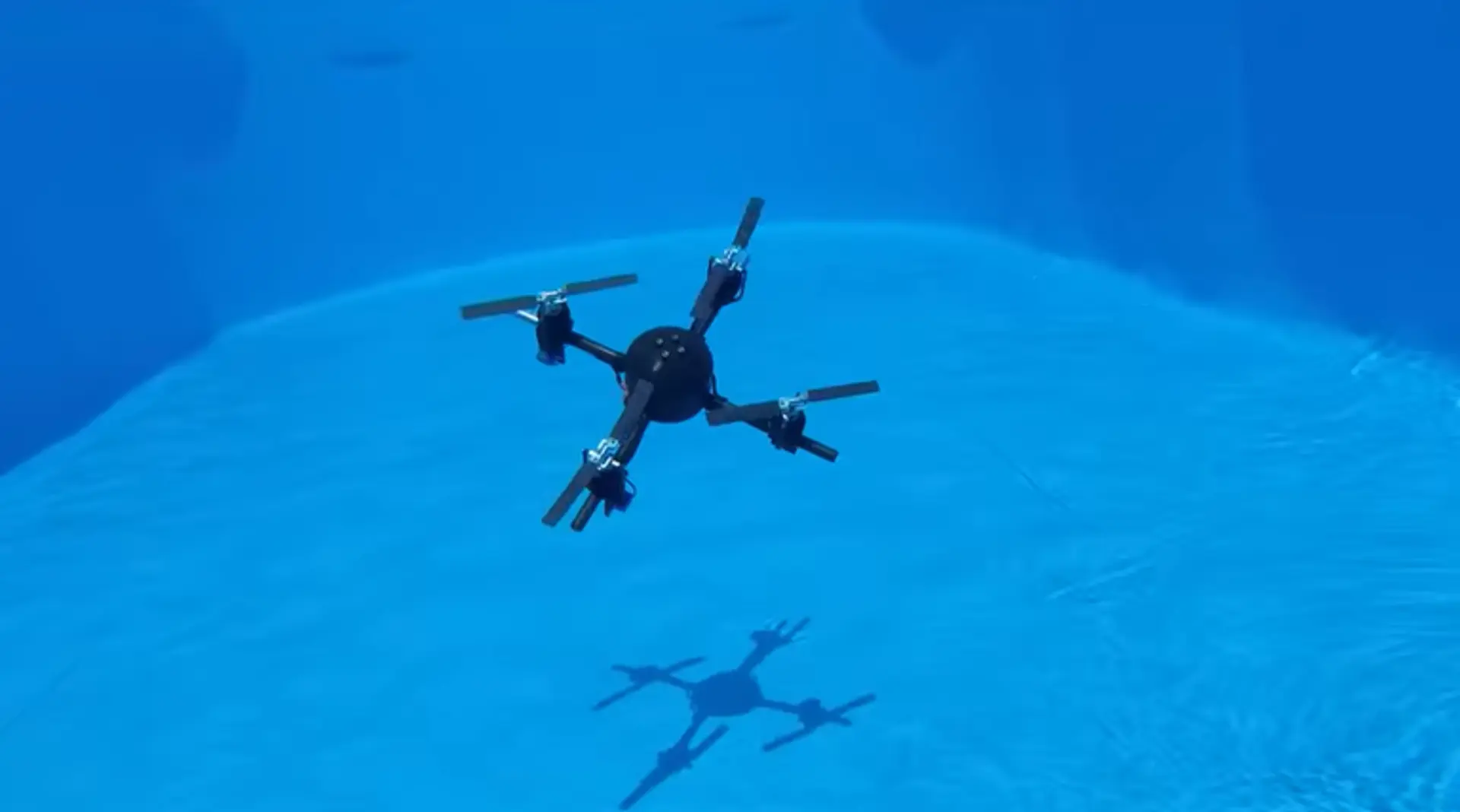
We have seen
cases where an airport had to halt its flight due to sighting a drone. This act
can not only cost the airline a lot of money, it can put several lives at risk.
Lawmakers do not have to wait until lives are lost before they act. This is the
reason why drone use in many regions is now facing stricter restrictions.
There is
also ground risk. A drone that falls can harm a child, hit a car, or spark
panic in a crowd. As more models are produced and people continue to fly just
for fun, the risk of harm continue to grow.
Then ofcourse,
there is the trust issue. Many people do not like the idea of a camera in the
sky near their home. Even if most users are safe, doubt shapes public mood.
When fear grows, rules tend to follow.

So home
users now face more checks before they can fly their drone. There are now so
much limits that many do not want to go through the hassle to fly a drone. What
once felt like a toy now sits in a space shaped by policy and control.
Firms Are Given Room to Grow
While fun
flyers face tight bars, firms are seeing new paths open. This may look unfair
at first glance. Why curb one group and back the other? The key lies in use and
value.
For firms,
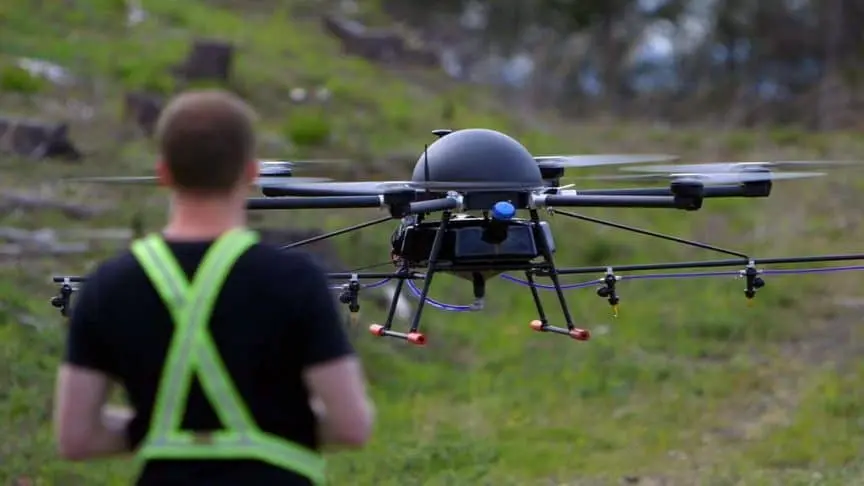
drones are not toys. They are tools. In farm work, drones scan crops and spot
dry soil. In building work, they track site growth and flag faults. In power
grids, they check lines and towers. In film production and news, they get shots
once done by a crew in a helicopter – which is way cheaper.
These uses not
only save time and cash, they also cut risk. A firm can send a drone up a tall
stack or over a rough site, rather than send a worker. That can lower harm and
cut cost. Due to this clear gain, policy teams are more open to grant firms
added rights. Firms can seek permits for night flight or long range use. However,
they must meet strict safety codes, but once they do, they can fly in ways home
users cannot.
Firms also
tend to have set teams and clear plans. They train staff, log each flight, and
carry risk cover. If a fault takes place, there is a clear chain of blame and
fix. This makes it easier for rule makers to trust them. In some markets, firms
are even testing drone use for mail drop or medical aid in rural zones. That
marks a shift in view. Drones are now seen as part of trade, aid, and growth.
The Gap Is About Risk and Gain
At its
core, this split is about risk and gain. While home users fly for fun,
companies fly for work which are beneficial in many cases. For such teams, they
weigh the risk as well as the benefit – not an average user that only cares
about their enjoyment.
A drone
that helps a farm grow food or helps find a lost hiker has clear worth. A drone
that films a trip has less weight in policy talks. There is also a power gap.
Big firms have a seat in policy meetings. They can share data, fund tests, and
show safe use at scale. Home users are wide and split and they lack one voice
to shape the laws that guides this usage.

That does
not mean home flyers are bad or rash. Most care about safe flight and follow
the code. But rules are often shaped by the worst acts, not best ones. We are
now in a stage where drones are part of daily trade. They aid police, help fire
crews map blaze spread, scan rail lines, and track storm harm. As this role
grows, rules will grow with it.
Home users
may need to adapt. Private drones my have to be restricted to flight parks or
come with smart lock that blocks the drone from entering no fly zones. While
some see these changes as a fair deal for safety, others see it as the end of
free flying.
What is
clear is this: drones are not a short term trend. They will play a larger role
in farm, building, aid, and media work in years ahead. But who gets wide access
to the sky will rest on how that flight serves the wider good.
For now, if
you fly for fun, expect tight watch. If you fly for work, expect new paths to
grow. The sky is still open. It is just shaped by new lines of risk, value, and
control.
Popular News


Latest News
Loading