The smartphone world is hitting a financial wall in 2026, and it is dragging a "dead" feature back to life. For years, the microSD card slot was treated like an old relic. Manufacturers removed it to make phones thinner and to push us toward expensive internal storage upgrades or cloud subscriptions. But the "Great NAND Crisis" of 2026 has flipped the script. As memory prices skyrocket, brands like Xiaomi and Samsung are reportedly eyeing the return of the SD slot—not because they want to, but because they have to.
Key points
- NAND Price Surge: Memory costs have risen by 60-100% due to AI server demand, squeezing phone margins.
- Economic Strategy: Reintroducing SD slots allows brands to offer lower internal storage at competitive prices.
- Performance Gap: UFS 5.0 hits 10.8GB/s, keeping flagships slot-free while mid-range models embrace SD Express.
- Target Markets: The comeback is focused on budget segments (under $200) most affected by the 25% BoM increase.
- Xiaomi’s Pivot: Xiaomi is leading the discussion on modular storage to offset the massive DRAM price shock.

The Great Memory Crisis of 2026
We are currently in a brutal economic cycle for semiconductors. The massive demand for AI servers and high-end enterprise SSDs has basically hijacked the world’s supply of NAND flash. Companies like Samsung and SK Hynix are pouring their resources into high-margin AI chips to feed the hunger of data centers, leaving the "basic" storage used in smartphones in short supply.
The fallout is massive. Contract prices for NAND flash and DRAM have jumped by as much as 60% to 100% compared to early 2025. For a company like Xiaomi, which prides itself on aggressive pricing, this is a total nightmare. Internal memory is now one of the top three most expensive parts of a phone. To keep prices from exploding, manufacturers are being forced to cut back. We are already seeing base models slide back from 256GB to 128GB, and some budget phones are even returning to a measly 4GB of RAM just to stay affordable.
Why the MicroSD Slot is the 2026 Hero
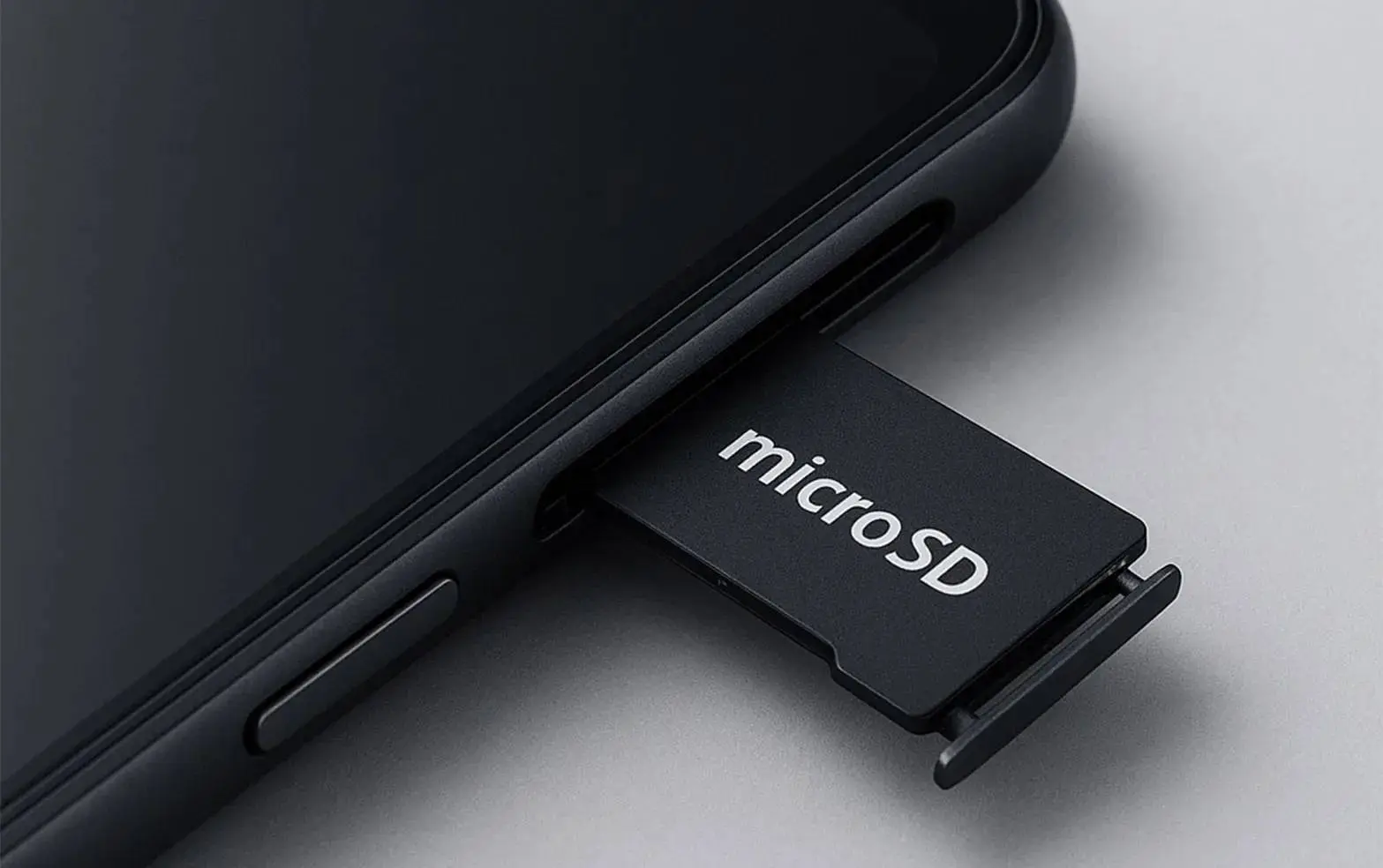
This is where the microSD card becomes a tactical "panic button." By bringing back the card slot, brands can sell a cheaper phone with less internal storage while giving users a way to expand it themselves. It is a brilliant way to shift the financial burden. A 512GB internal chip might cost a manufacturer an extra $70 right now, but a microSD slot costs practically nothing to add to a motherboard.
For the user, it is a win for the wallet. Buying a high-speed card—even a high-end one—is still much cheaper than paying the "storage tax" that Apple or Samsung usually charges for a higher-tier phone. It turns a mandatory high price into an optional upgrade. Some rumors even suggest that Chinese suppliers are working on a "SIM + microSD" combo tray that won't even require a new hole in the phone's frame, making it a "plug-and-play" fix for engineers.

The Speed Trap: UFS 5.0 vs. SD Express
There is a catch, though: the sheer gap in performance. Modern smartphones are transitioning to UFS 5.0, which is an absolute monster. JEDEC recently finalized the standard, which hits speeds of 10.8GB/s. That is twice as fast as UFS 4.0 and actually rivals the SSDs found in high-end gaming laptops. This speed is essential for real-time AI tasks, 8K video recording, and instant app launches.
On the other hand, the latest SD Express cards can technically hit 800MB/s, but they run very hot and drain battery life significantly. Because of this, you probably won't see the SD slot return to "Ultra" flagships. Those phones need the ultra-low latency of UFS 5.0 to function correctly. Instead, the microSD comeback is focused on the entry-level and mid-range markets. These are the users who care more about having room for 5,000 family photos and offline maps than they do about shaving a millisecond off a game's loading time.
A New Market Reality
Industry analysts at TrendForce and Counterpoint are already lowering their shipment forecasts for 2026. They predict that the "Bill of Materials" (BoM) for smartphones could rise by up to 25% just because of these memory hikes. In a market where people are already holding onto their phones for four or five years, a price hike could be a death sentence for sales.
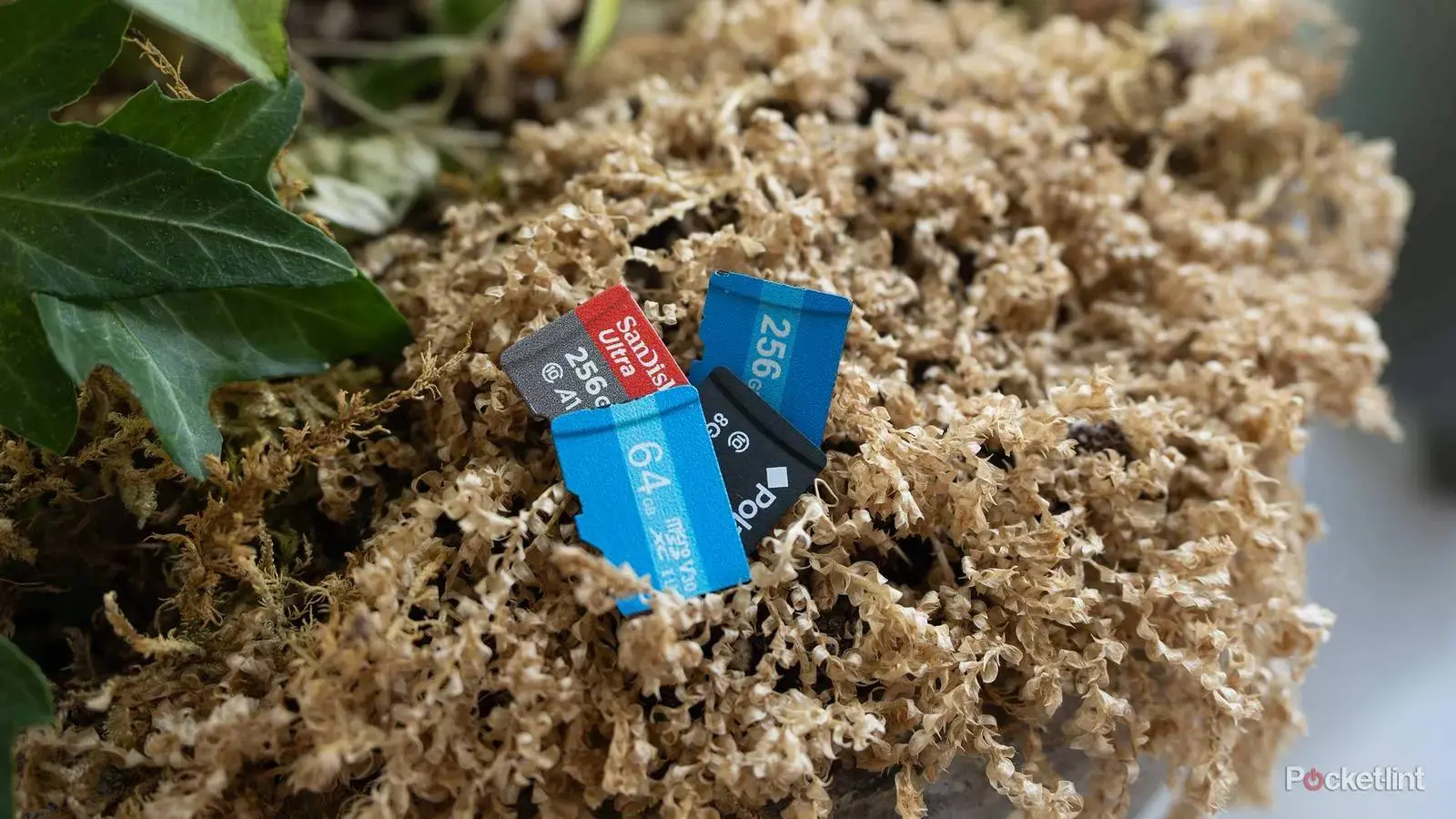
By offering a microSD slot, manufacturers are essentially offering a "compromise." It allows them to maintain a lower entry price for a base 128GB model, which keeps the marketing numbers looking good, while letting the power users solve their own storage problems with a card.
The Verdict: A Tactical Return
Will every phone have a card slot again? No. But in 2026, the microSD card isn't just about nostalgia; it’s an economic necessity. It is a bridge that allows brands to keep making affordable phones during a global chip shortage. It proves that in the tech world, old ideas never truly die—they just wait for the market to get expensive enough to make them relevant again. If you are planning to buy a mid-range phone in late 2026, don't be surprised if that little plastic tray has two slots again.
Popular News
Latest News
Loading