Smartphone screens have long been the enemy of our circadian rhythms and ocular health. However, the Honor Magic 8 Pro is attempting to flip the script by implementing a "holistic" display architecture that prioritizes biology over mere brightness specs. While giants like Apple and Samsung focus on peak nits, Honor is targeting the physical causes of myopia and eye fatigue.

Notice the difference between low and high frequency PWM dimming
Key points
- Honor Magic 8 Pro features 4,320Hz PWM dimming to eliminate eye-straining flicker.
- AI Defocus technology reduces transient myopia by simulating focal depth on a flat screen.
- AI Circadian Night Display can increase melatonin production by 20% through intelligent filtering.
- Circular Polarization mimics natural sunlight to reduce glare and alleviate dry eye symptoms.
- Motion Sickness Relief uses "anchor dots" to sync visual cues with vehicle movement.
Flicker-Free: The 4,320Hz Revolution
The most significant technical achievement here is the 4,320Hz high-frequency PWM dimming. To lower brightness, OLED screens must "flicker" on and off rapidly. On an iPhone, this happens at roughly 480Hz—a rate that many people find physically exhausting, leading to headaches and dry eyes. Honor’s frequency is nearly ten times higher, essentially making the flicker invisible to even the most sensitive users.

Battling "Transient Myopia" with AI Defocus
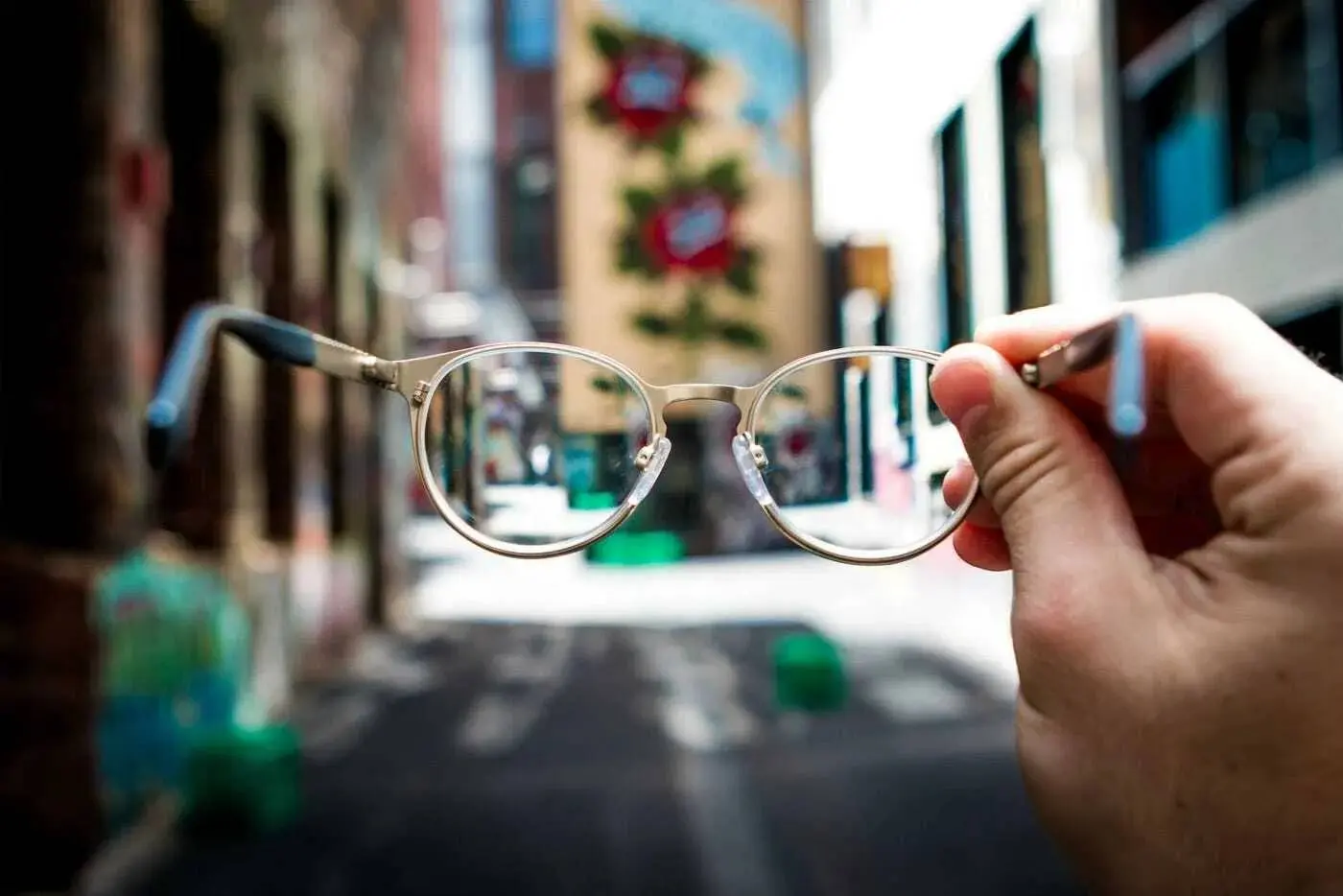
Perhaps the most "sci-fi" feature is the AI Defocus Display. When we stare at a near object like a phone for hours, our eye muscles "lock," leading to transient myopia—a reversible nearsightedness that eventually becomes permanent. Honor’s screen uses AI to subtly blur the peripheral edges of the content you’re viewing. This mimics defocus glasses, encouraging the choroid to thicken and effectively tricking the eye into relaxing its focus. Honor's lab data suggests an average improvement of 13% in transient myopia scores among test subjects.

Circadian Mastery: More Than Just a Blue Light Filter
Most phones just turn the screen orange at night. The Magic 8 Pro uses an AI Circadian Night Display that isn't just a schedule; it’s context-aware. If the phone’s GPS and sensors detect you are in a low-light, indoor environment (like a long winter night in Iceland), it automatically scales the blue light spectrum to boost melatonin production by up to 20%.

The Blue Dot Cure for Motion Sickness
Finally, for those who get nauseous while scrolling in a car, Honor has introduced AI Motion Sickness Relief. Small, non-distracting blue dots appear at the edges of the screen, acting as visual anchors. These dots move in counter-reaction to the vehicle’s motion, reconciling the conflict between your inner ear (which feels movement) and your eyes (which are focused on a static screen).

Popular News
Latest News
Loading