Huawei Pura 90 Series Arrives: Flat Screens, New Kirin Silicon, and a 200MP Telephoto on the Pro Max
HuaweiTuesday, 21 April 2026 at 00:31
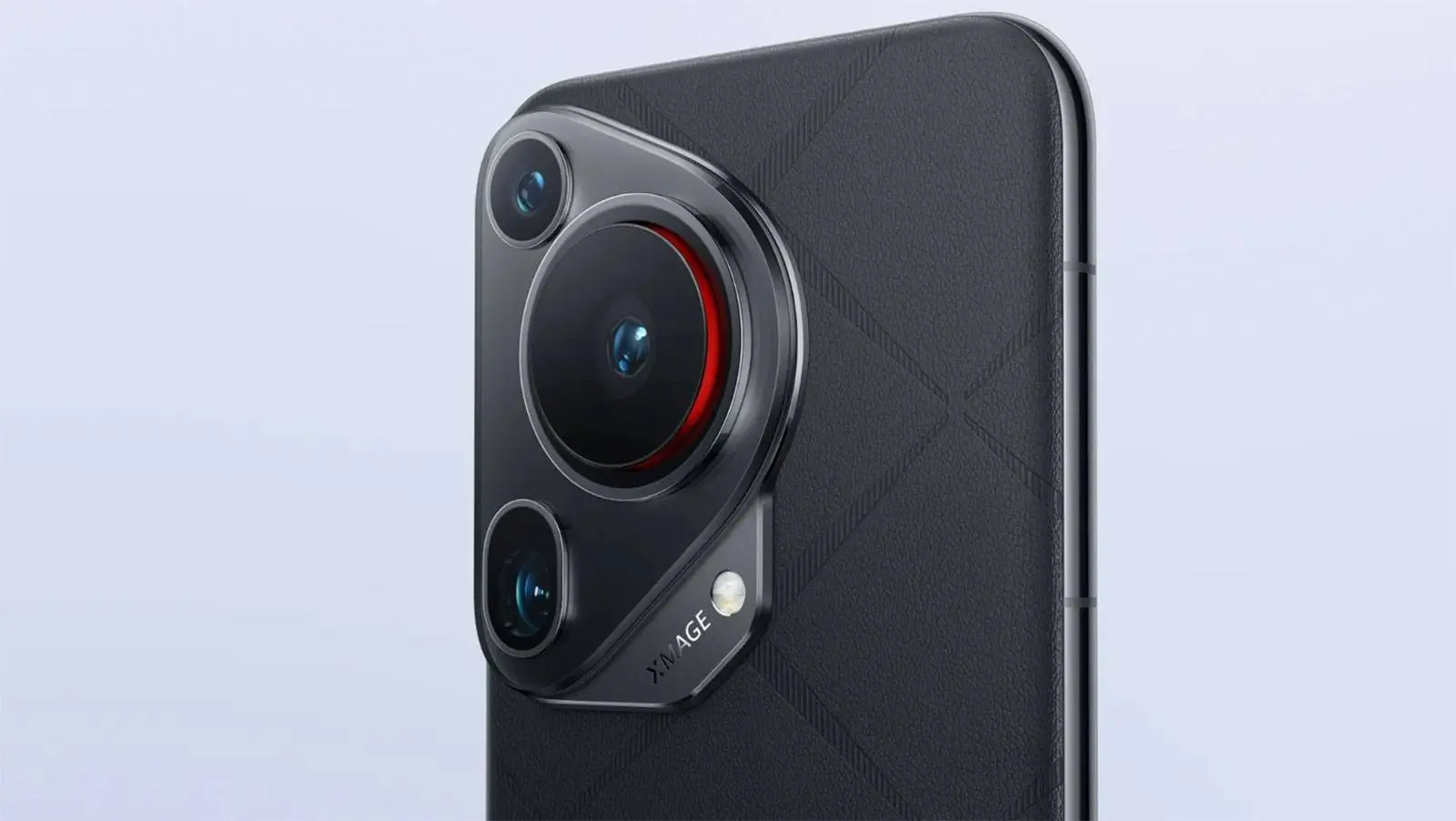
Huawei skipped a launch cycle and came back with a complete specification overhaul. The Pura 90 series is launching this week.
Summary
- The Huawei Pura 90 series launches in late April 2026 in China, consisting of three models — Pura 90, Pura 90 Pro, and Pura 90 Pro Max — all returning to flat OLED screens with 1.5K resolution after years of curved displays.
- The standard Pura 90 features a 6.84-inch flat display, 6,500mAh battery with 100W wired and 50W wireless charging, a 6.9mm chassis weighing 203g, and second-generation Kunlun Glass.
- The Pura 90 Pro and Pro Max step up to a 50MP 1/1.28-inch main camera (up from the Pura 80's 1-inch), a 40MP ultra-wide, and a 50MP periscope telephoto — with the Pro Max replacing the telephoto with a 200MP periscope unit using the SmartSens SCC80XS sensor on a 22nm process.
- All three models are expected to run a new "9-series" Kirin chipset (likely Kirin 9030), HarmonyOS 6.1, IP68 protection, and 2D face recognition with Kunlun glass — representing Huawei's first significant chip node advancement in years.
- The entire lineup returns to XMAGE computational photography and full RYYB sensor technology, with the Pro Max expected to carry a multispectral sensor alongside its camera array.
The flat screen decision is the design statement here. Huawei has signaled a full break from curved-edge aesthetics, and the hardware spec escalation — particularly on the Pro Max — is built around one clear ambition: reclaim the camera benchmark.

The Camera Story Across Three Models
The standard Pura 90's camera configuration hasn't been fully confirmed in independent sources, but the Pro tier is where the serious photography hardware lives. The Pura 90 Pro's upgrade from the previous 1-inch main sensor to a 1/1.28-inch sensor is counterintuitive at first glance — smaller sensor number, larger physical size. The 1/1.28-inch format is actually larger than 1-inch, capturing more light per pixel and enabling better dynamic range and low-light performance.
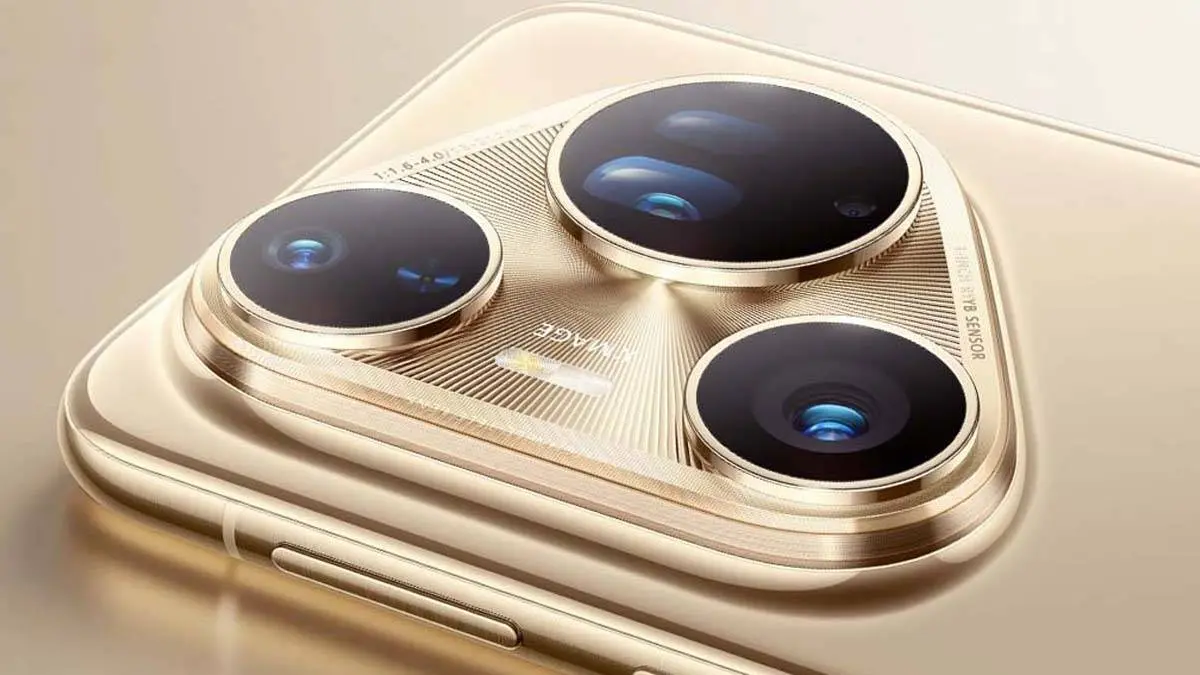
The Pro Max's 200MP telephoto using the SmartSens SCC80XS is the headline specification. Manufactured on a 22nm process, this sensor is engineered for lower read noise and improved dynamic range in zoom shots — not just megapixel count for its own sake. Combined with RYYB color filter technology, which captures more light than traditional RGB arrays, the telephoto system is designed for genuine long-range detail rather than digital interpolation.

Battery and Build: The Practical Story
The 6,500mAh battery on the standard Pura 90 is notably generous for a 6.9mm, 203-gram chassis. Getting that capacity into that weight without sacrificing dimensions points to silicon-carbon battery chemistry, following the same industry trend seen in competitors. The 100W wired charging means a full charge in roughly 35-40 minutes. The addition of 50W wireless charging across the lineup brings Huawei's battery convenience in line with the broader premium Android market.
The shift to second-generation Kunlun Glass is a durability upgrade worth noting — Huawei's proprietary glass has historically outperformed standard Corning Gorilla Glass in drop resistance testing.
New Kirin, New OS
The new 9-series Kirin chipset represents Huawei's first meaningful node advancement in years, following the semiconductor pressure that restricted it to 7nm designs. If the Kirin 9030 launches as expected on a more advanced process, it addresses the performance ceiling that has constrained Pura and Mate flagships since 2020. HarmonyOS 6.1 accompanies the launch, with tighter multi-device integration as its headline software feature.
Popular News


Latest News
Loading