Lenovo's newest ThinkBook models showed up on JD.com recently, and the pricing caught some attention. The company tagged both the 14+ and 16+ at exactly 6,999 yuan—roughly $1,008 if you're converting. Most of what's packed inside stays consistent between the two, though the screens tell a different story.

Key Points:
- ThinkBook 14+ and 16+ priced identically at 6,999 yuan ($1,008) on JD.com in China
- Ryzen AI 7 H 450 processor with 8 cores, 50 TOPS NPU, and Radeon 860M graphics
- 32GB LPDDR5X-8533 RAM, 1TB PCIe 4.0 SSD, expandable to 8TB via dual M.2 slots
- 99.9Wh battery with 140W GaN fast charging (60% in 30 minutes when powered off)
- Comprehensive I/O: USB4, HDMI 2.1 FRL, Wi-Fi 7, TGX external GPU dock support
Running things is AMD's Ryzen AI 7 H 450. You're getting 8 cores and 16 threads here, with speeds maxing out around 5.1GHz during intensive work. A neural processing unit comes standard, delivering 50 TOPS when AI calculations kick in. The Radeon 860M handles graphics using AMD's RDNA 3.5 design. Power output? The smaller 14+ pulls 80W, while the 16+ reaches 83W.

Memory Can't Be Upgraded
Both machines arrive with 32GB of LPDDR5X memory running at 8533MT/s. Here's the catch—that RAM is soldered directly onto the motherboard. No upgrades possible down the road. Storage is a different matter entirely. You start with 1TB on a PCIe 4.0 TLC drive, but Lenovo included dual M.2 2280 slots. Pop in another drive and you could hit 8TB total if you need that kind of capacity.
Battery Hits the Legal Limit
The 99.9Wh battery isn't random engineering. Airlines cap batteries at 100Wh, so Lenovo maxed out what regulations allow. They're shipping these with a 140W gallium nitride charger that claims 60% charge in thirty minutes—but here's what they don't emphasize: that speed only happens when the laptop is completely shut down. Keep working while plugged in and charging slows down considerably.
Typing, Touching, Listening
Key travel sits at 1.5mm. The power button pulls double duty as a fingerprint reader. Below the keyboard, Lenovo's ForcePad uses haptic vibrations instead of mechanical clicks—some people love it, others don't. Above the screen sits an infrared camera for Windows Hello, with a physical privacy shutter you slide across manually. Four speakers pump out audio, all tuned for Dolby Atmos sound.
Aluminum Everywhere
The lid, keyboard area, and bottom all use aluminum construction. Either model opens flat to 180 degrees, laying the display completely horizontal. Color choices? Starry White and Moonlight Gray.
Ports Cover Most Scenarios
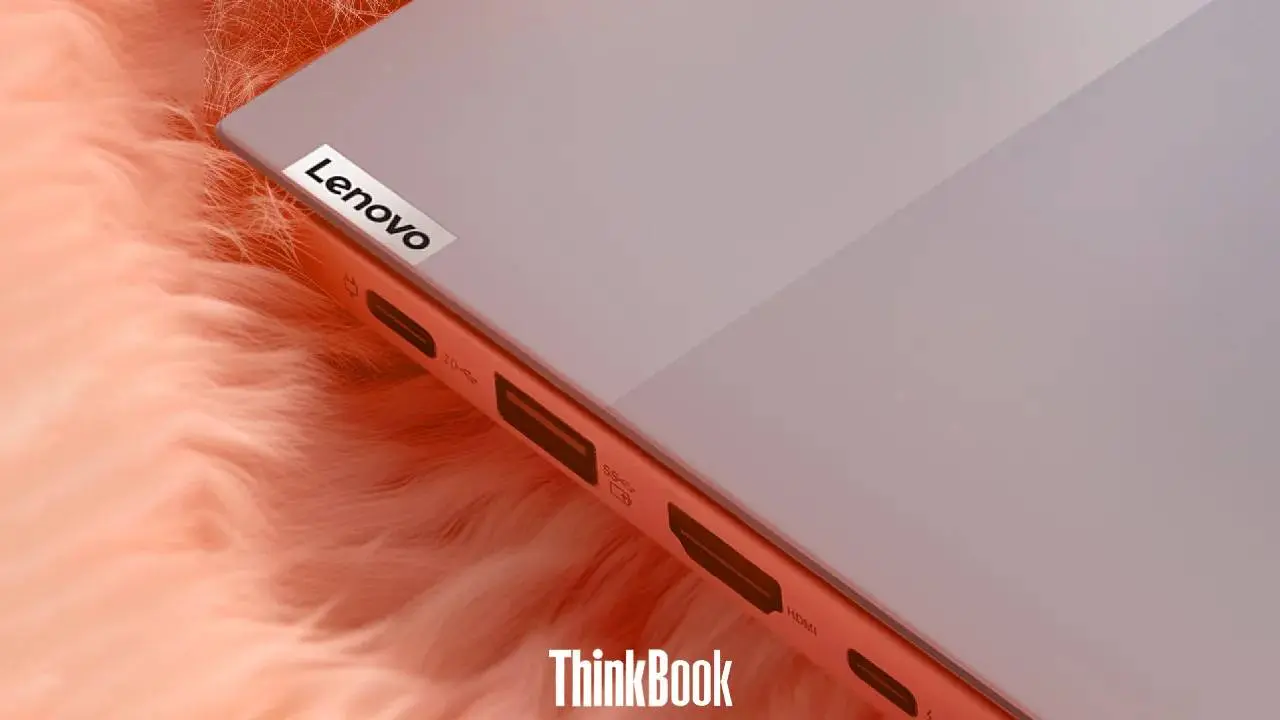
Walk around the edges and you'll find two USB4 ports, another two USB 3.2 Gen 1 connections, HDMI 2.1 FRL pushing 48Gbps, an RJ45 Ethernet jack, an SD card slot, and a 3.5mm headphone port. Wireless jumps to Wi-Fi 7. There's also TGX—Lenovo's proprietary connector for external GPU docks when the integrated Radeon can't handle your workload.

Screen Size Changes Everything
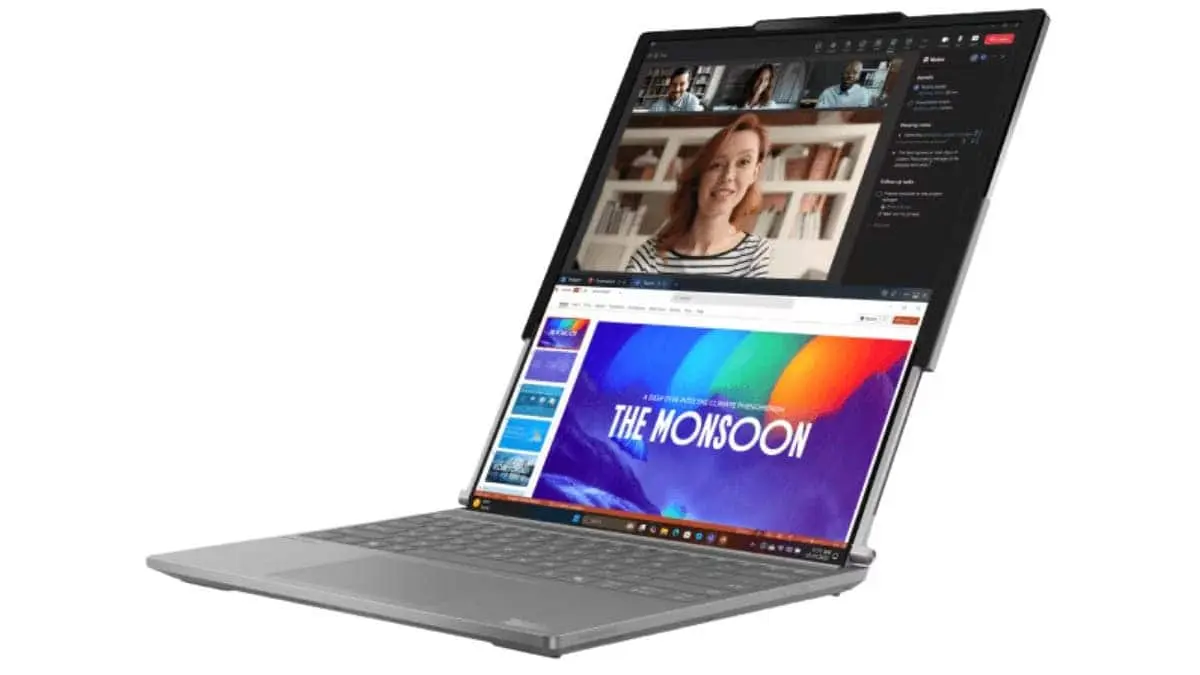
The ThinkBook 14+ uses a 14.5-inch panel. Resolution hits 3072 x 1920 with a 120Hz refresh rate. Move to the ThinkBook 16+ and you're looking at 16 inches, 3200 x 2000 pixels, and a faster 165Hz. Both cover the complete DCI-P3 color spectrum and peak at 500 nits brightness. Pantone validated color accuracy for both standard content and skin tone reproduction. TÜV certified both for reduced blue light.
The Number Pad Question
That larger 16+ chassis creates space for a dedicated numeric keypad alongside the main keyboard. The 14+ doesn't have one—there's simply no room once you shrink the footprint.
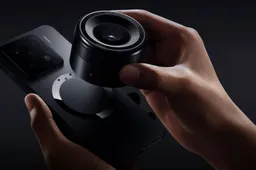
Both support Lenovo's MagicBay modular system for accessories, though specifics about compatible add-ons weren't mentioned in the product listing. Right now availability stays limited to China, with no international launch announced yet.
Popular News

Latest News
Loading