
Tablets now match laptops in speed and often cost
just as much, yet they still fail to take the laptop’s place for daily work.
The reason is not weak parts or poor design, but how people work, type, manage
files, and trust their tools over long hours of use. Here are some of the
reasons why tablets lag behind laptops.

Work habits
Tablets are far more
fast and strong than they were a few years ago. Many now run big apps with
ease, show sharp screen, and last long on one charge. Yet most people still
reach for a laptop when real work must get done. The reason is not raw speed or
lack of skill in the device. It is how people work each day and what they need
to feel at home while they work.
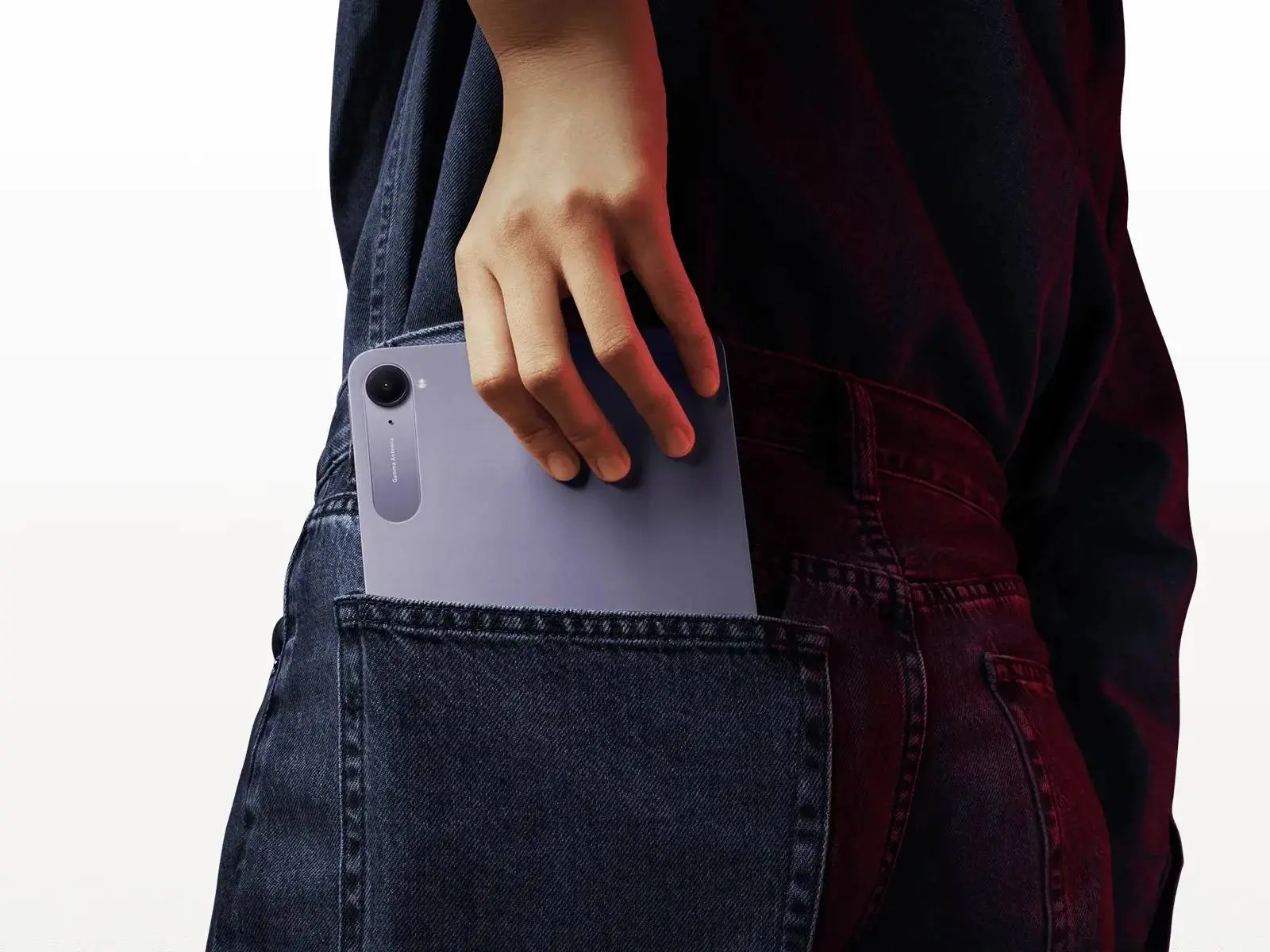
A laptop fits old
work habits. You open it, type, use a mouse or touch pad, and jump from one
task to the next with ease. This flow is hard to match on a tablet. Touch first
design can feel slow for long text, deep edits, or work that needs care and
speed at once. Even with a key case, the feel is not the same. The screen sits
low, the keys feel thin, and the setup feels less firm on a desk or lap.
Many jobs still need
long hours of text work. Think of study notes, long mails, or draft work that
runs for pages. On a tablet, this can turn into strain. The hand shifts from
keys to screen too often, which breaks focus. A laptop lets hands stay put. That
small detail adds up over a full day.

Tools and ease
Tablets also face
limits in the tools they run and how those tools act. Some apps look the same
as their laptop kin, but act in a cut down way. Menus are hidden, steps are
fewer, and fine work can be hard. For light tasks, this is fine. For deep work,
it can block progress.
File work is a good
case. On a laptop, files sit in clear paths. You drag, drop, name, and sort
with ease. On a tablet, file apps exist, but the feel is less clear. Links to
cloud space can add delay. When time is short, these small breaks
matter.
There is also the
issue of add on gear. Many people use more than one screen, a mouse, or other
gear to work fast. Laptops tend to handle this with ease. Tablets can do it
too, but often with limits. Some gear works, some does not, and setup can feel
like a chore. For a tool meant to help work, that is a mark against it.
Cost and trust
Price plays a role
as well. Top tablets now cost as much as, or more than, laptops. Add a
key case and pen, and the total can rise fast. When buyers see that price, they
ask a fair question. If I must pay this much, why not get the tool that does all
jobs well?

Trust also matters.
Laptops have been the main work tool for years. People know what they can do
and how long they last. Tablets feel more like a mix tool, part fun, part work.
Even if this view is not fair, it is real. Firms and schools still plan their
work flow around laptops. That keeps them in place.
Tablets shine in many roles. They are great for read,
light edit, art, and travel. They are easy to grab and use in tight space. But
to fully replace laptops, they must fit how people work, not ask people to
change too much. Until that gap is closed, tablets will stay close, but not
quite take the crown.
Popular News

Latest News
Loading