The word
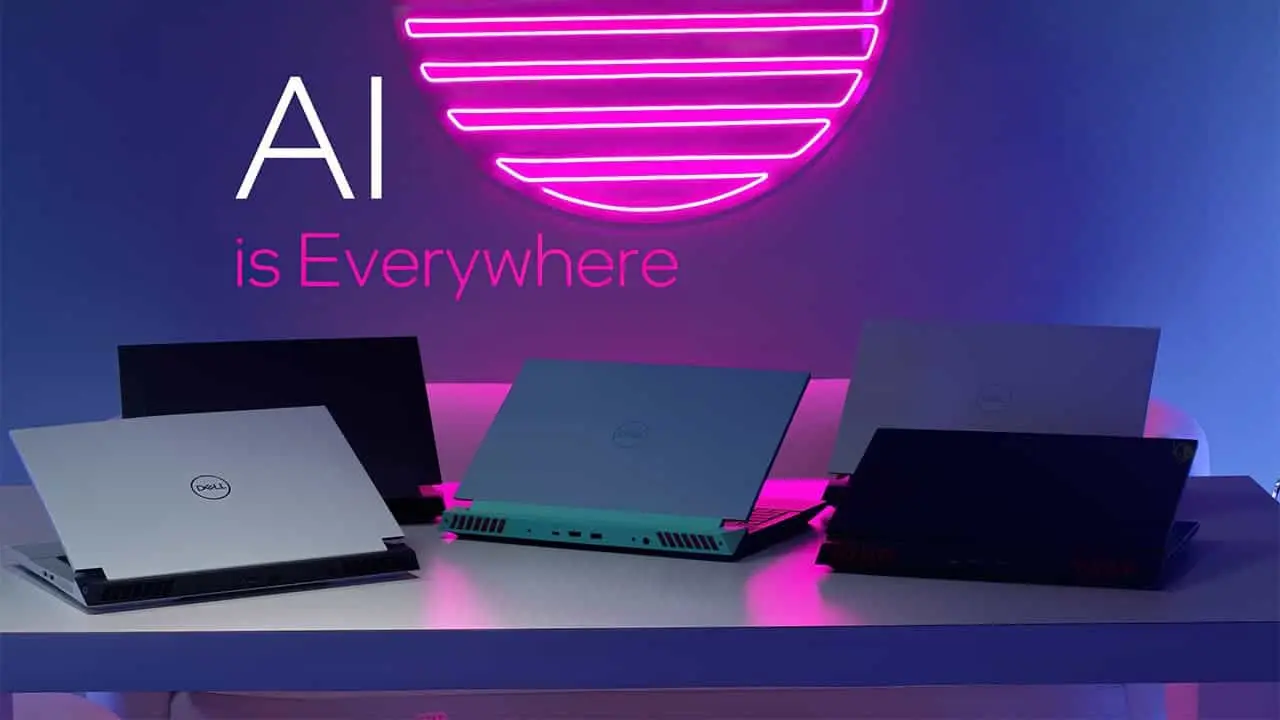
“AI” has taken over tech marketing this year. From phones to cloud services,
every product now claims some form of artificial intelligence.
Laptops are
the latest to join the race. Major brands are pushing a new wave of machines
called “AI PCs,” built with specialized chips called NPUs, or neural processing
units.
These
processors promise to handle AI workloads directly on the device, instead of
relying on cloud servers.
The
question is simple. Do everyday users actually need this new kind of laptop, or
is it just another clever way to sell hardware?

Source: Psero Laptop
What makes an AI laptop different
A regular
laptop makes use of its processor to handle most tasks and for graphics, it
uses the GPU.
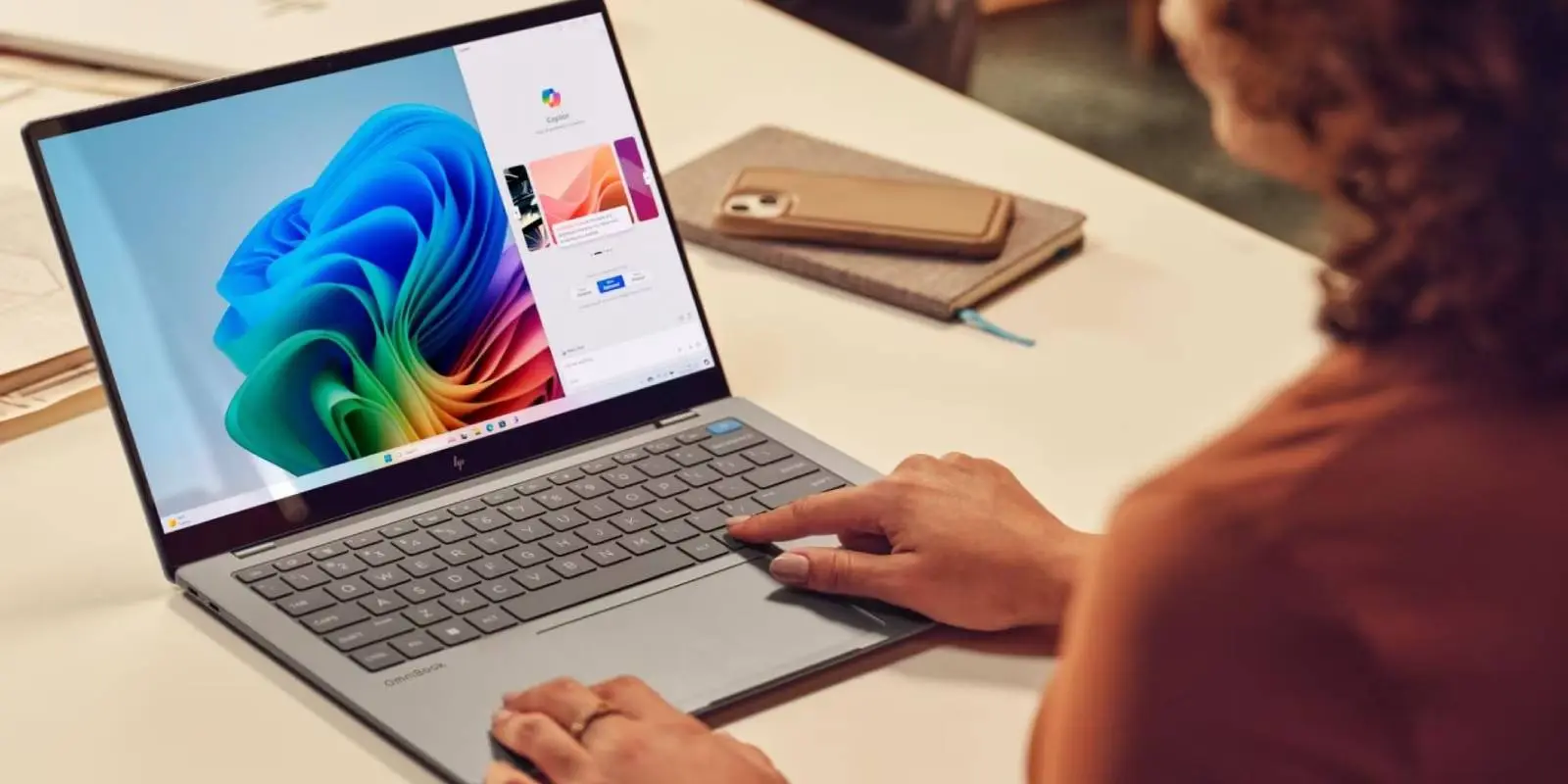
In an AI
laptop, there is an additional NPU, a chip that helps the laptop accelerate machine learning models.
This chip
handles multiple AI-related tasks like text generation, voice transcription, image
recognition, background blur in video calls etc.
Therefore,
the main processor of the laptop does not go through the stress of running these tasks.
The idea is
that these tasks run faster, use less power, and work offline. For
professionals in fields like video editing or coding with AI assistance, this
may sound appealing.
For a
student or casual user, the difference might not be so clear.
The marketing push is loud
Manufacturers
have been quick to label these devices as the future. Microsoft, Intel, AMD,
and Qualcomm are all pushing the “AI PC” label.
They
highlight tasks like automatic photo editing, smarter voice assistants, and
productivity apps that use AI to summarize text or generate drafts.
The pitch
is simple: buy this laptop, and you’ll be ready for the AI-driven future. But
the details are fuzzy.
Which apps
actually take advantage of NPUs today? Which features will matter in two years?
Most companies haven’t given clear answers.
For basic
work like browsing, writing, video calls, and streaming, AI laptops do not feel
much different from older models.
Most common
apps still rely on CPUs and cloud services for their AI features. The built-in
NPU often sits idle.
Even in
cases where the chip is used, the changes are small. A smoother background blur
in Zoom calls or faster transcription in Microsoft Word are nice to have, but
not game-changing.
These are
not features that most people would buy a new laptop for.

Battery life may be the hidden benefit
One real
advantage could be power savings. Running AI models on an NPU uses less energy
than pushing them through the CPU or GPU.
In theory,
this means longer battery life. For people who work on the go, this is a
practical improvement.
Still, not
every task uses the NPU, so the gains vary a lot depending on the app.
The risk of overpromising
Tech
marketing often runs ahead of real-world use. If you think back to 2019/2020,
you will recall all the fuss about foldable devices.
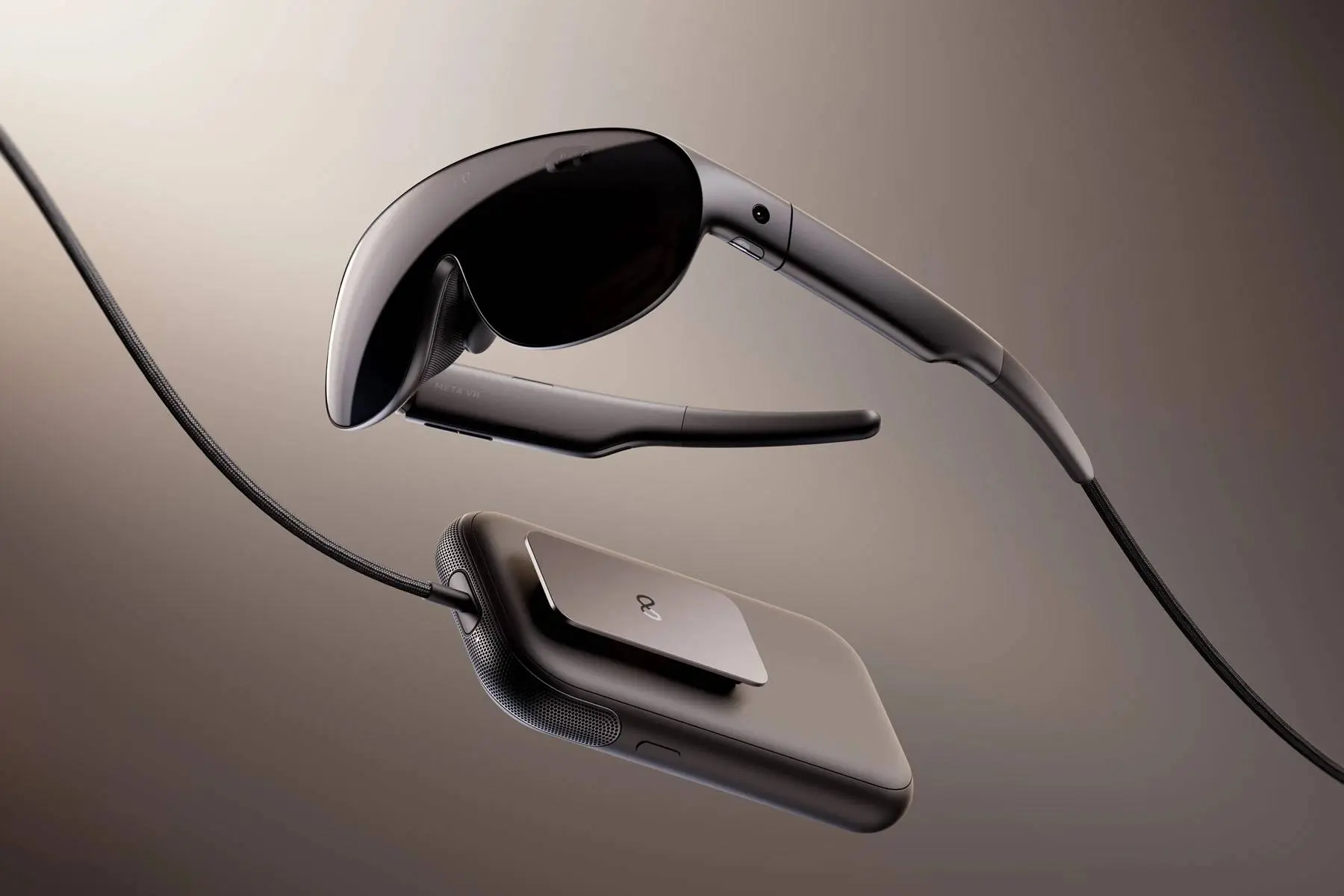
Oh, I can’t
forget the intense marketing around VR headsets and even 3D laptops.
How did these
techs end up? Niche products that only a few need.
It is most
probable for an AI laptop to end up the same way if apps do not make good use of
the hardware.
There’s
also the risk of confusing buyers. A student looking for a reliable laptop may
pay extra for an “AI PC” without ever using the new features.
In that
case, the label is just another way to increase prices.
Who might actually need one
That
doesn’t mean AI laptops have no value. Developers working on AI models may
benefit from faster local performance.
Since it
offers smoother tools for Photoshop or video editing, it will be a good buy for
creative professionals.
Furthermore,
the offline AI assistant will be of huge benefit to business users who may not
want to pay for the internet all the time.
But these
are specific groups. For the average person who checks email, watches videos,
and writes documents, the new hardware is far less important.
AI laptops
show where the industry is heading, but they don’t yet solve a problem most
people have. Today, the benefits are minor, and the hype is louder than the
reality.
Maybe in a
few years, with better apps and stronger support, NPUs will become essential.
At the
moment, we recommend that potential buyers exercise some patience, especially
if you are not a tech geek who is buying out of curiosity.
Popular News

Latest News
Loading