The "Mini" Tablet is Finally Getting Serious: Redmi K Pad 2 Leaks
TabletsWednesday, 04 February 2026 at 01:01
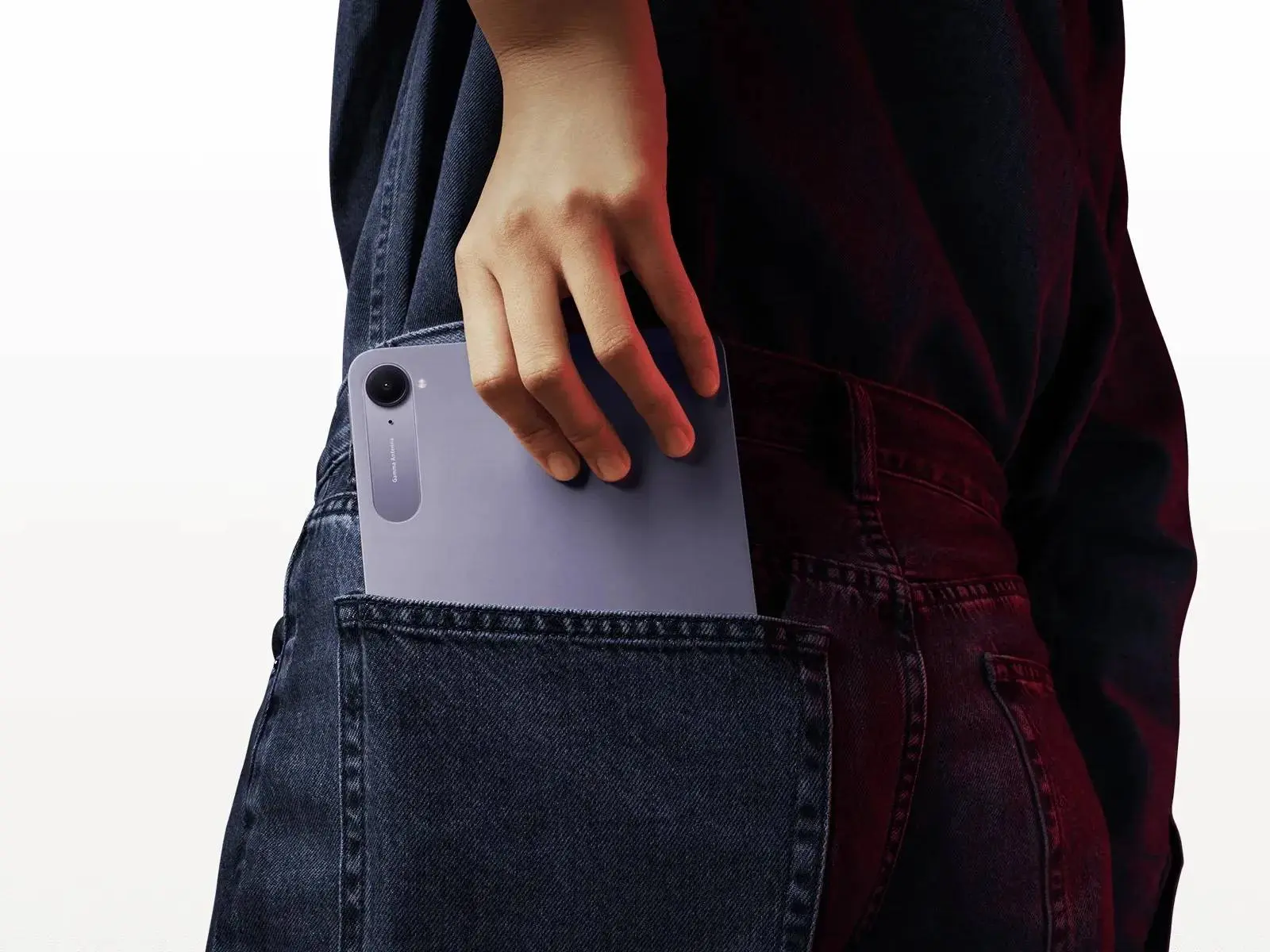
Let’s be real—the small tablet market has been pretty stagnant lately. But if the latest noise coming out of China is even half-true, Xiaomi is about to shake things up. We’re talking about the Redmi K Pad 2, the successor to that sleeper hit from last year. And honestly? The specs floating around right now make the current competition look like toys.
Word on the street is a launch before the end of June 2026. If you're outside China, keep your eyes peeled for the Xiaomi Pad Mini 2 nameplate—that’s almost certainly how this thing hits the global market.

That Screen is Overkill (And We Love It)
Xiaomi is reportedly sticking with the 8.8-inch LCD. Now, some might whine about it not being OLED, but when you’re pushing a 165Hz refresh rate at 1880x3008 resolution, the fluidity is going to be insane. It’s that rare "Goldilocks" size—big enough to actually enjoy a movie or a game of Genshin, but small enough to toss in a jacket pocket. Most "pro" tablets feel like carrying a cafeteria tray; this feels like a notebook.
Key points
- A Beastly Display: The rumored 8.8-inch LCD isn't just sharp at 1880x3008; that 165Hz refresh rate makes it one of the fastest compact screens ever conceived.
- Next-Gen Silicon: Switching to the Dimensity 9500 SoC isn't just a minor spec bump—it’s a massive leap in raw processing power for high-end mobile gaming.
- Battery Gains: Xiaomi is somehow stuffing a 9,000 mAh battery into this small frame, giving it 1,500 mAh more "juice" than its predecessor without adding bulk.
- Premium Acoustics: The potential partnership with Bose for the symmetrical dual speakers suggests this tablet will finally deliver audio that isn't tinny or hollow.
- Global Identity: While launching as the Redmi K Pad 2 in China this June, international fans should look out for it under the "Xiaomi Pad Mini 2" branding.
The Power Jump is No Joke
The real "holy crap" moment comes from the chipset. We’re moving from the Dimensity 9400+ to the Dimensity 9500. That isn’t just a tiny bump in clock speed. It’s a total overhaul of efficiency. But the real kicker? They’re allegedly cramming a 9,000 mAh battery into this frame. Think about that for a second. The original had 7,500 mAh. Adding 1,500 mAh of juice to a compact tablet without making it a brick is a massive engineering flex.
Bose Audio? Yes, Please.
Then there’s the sound. The rumors are pointing toward Bose-branded symmetrical speakers. If you’ve heard the audio on the K90 Pro Max, you know Xiaomi isn't playing around with their partner-tuned acoustics. Add in dual X-axis vibration motors, and the haptic feedback should feel punchy and intentional, not like a buzzing bee in your hand. No word on a dedicated subwoofer yet, but frankly, in a tablet this size, the Bose tuning alone is a huge upgrade.
Why You Should Care
If you’ve been waiting for a reason to ditch your aging iPad Mini or some laggy budget Android tablet, this is it. The Redmi K Pad 2 (or Pad Mini 2) is shaping up to be a pocket-sized powerhouse that focuses on what actually matters: a screen that doesn't ghost, a battery that doesn't quit by noon, and enough raw power to handle 2026's heaviest apps.
Popular News


Latest News
Loading