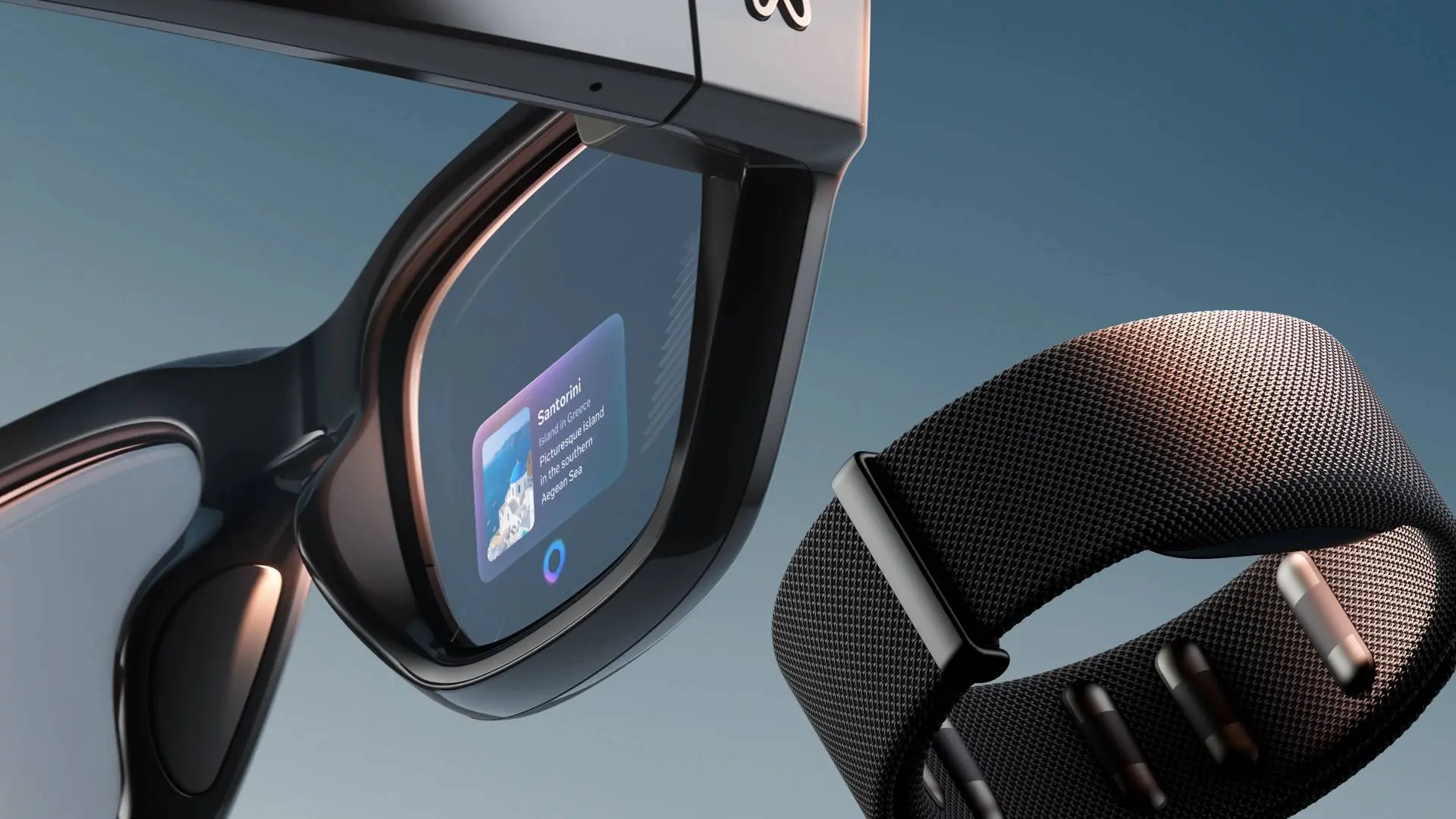
Ray-Ban Meta glasses look like normal sunglasses, and that is part of their appeal. You can take photos, record video and ask Meta AI about the world around you without pulling out your phone. But a recent investigation revealed a much less comfortable side of that feature: some images sent to Meta AI can end up in front of human reviewers.
And according to workers who reviewed that data, they sometimes saw things nobody expected another person to see.

Summary
- Human contractors reviewed some content sent from Ray-Ban Meta glasses to Meta AI for AI training and improvement.
- Workers in Kenya reported seeing highly private footage, including people undressing and using bathrooms.
- Meta changed its US policy in 2025 so users can no longer disable voice-recording storage while keeping voice commands enabled.
- Voice recordings may be stored for up to one year, although users can manually delete their voice history.
- Meta now faces a class-action lawsuit over the glasses' privacy claims and how user data may be handled.
Human workers saw private moments
An investigation by Swedish newspapers Svenska Dagbladet and Göteborgs-Posten looked at workers in Nairobi, Kenya, who reviewed data for Meta through outsourcing company Sama.
Their job was to label images, video, audio and text used to improve Meta's AI systems. Some of that material came from Ray-Ban Meta smart glasses. The problem is what those cameras can capture.
Workers told reporters they had seen people using the bathroom, sexual content and other very private moments. One case involved a man leaving his glasses recording in a bedroom before his wife entered and undressed.
That footage wasn't stolen by hackers. It reached workers through Meta's data review system. Meta has acknowledged that contractors can review content people share with Meta AI to help improve its products. The company says it takes steps to stop reviewers from seeing identifying information.
Here's the thing, though. Workers claimed those protections didn't always work.
Meta changed its voice privacy rules too
There is another part of this story that I think Ray-Ban Meta owners should know. In April 2025, Meta changed its privacy rules for US users. Owners could no longer turn off storage of voice recordings while continuing to use voice commands. Users can still delete those recordings themselves.

Meta can keep normal voice recordings for up to one year, while accidental activations are deleted after 90 days. The company says the data can help improve its products and train AI.
To be honest, this bothers me more than the camera itself. A camera on smart glasses is obvious hardware. You know it is there. But most people buying a pair probably don't spend an evening reading every privacy setting before saying "Hey Meta."
Meta is now facing a lawsuit
The story has already reached court. On March 4, a proposed class action was filed against Meta and Luxottica in federal court in San Francisco. Plaintiffs Gina Bartone and Mateo Canu argue that buyers were misled about the privacy protections offered by Meta's glasses.
The complaint points directly to reports that private footage could reach contractors. It argues that consumers may not have bought the glasses, or would have paid less, if they knew how their data could be handled.
Meta disputes the wider claim that normal photos and videos are simply sent away for review. The company says captured media stays on the device unless users choose to share it with Meta or someone else. Content sent to Meta AI, however, can be reviewed by contractors.

That distinction matters.
But I don't think it makes the privacy question disappear. Smart glasses are becoming cameras, microphones and AI assistants that we wear all day. If they are going to become normal, users need to know exactly when their data leaves the device, how long it stays there and whether another human can ever see it.
Because when that camera is pointing at your bedroom, those details suddenly matter a lot.
Popular News


Latest News
Loading