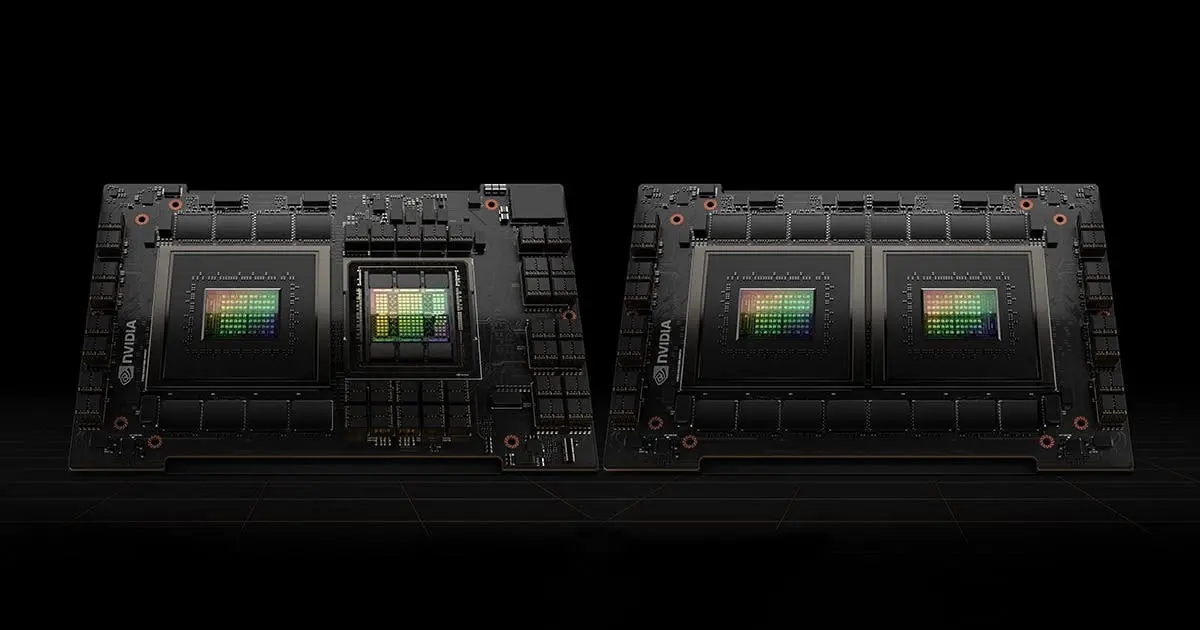
Nvidia will reportedly enter the consumer PC market with its first-ever high-end CPU. Per the rumors, it will reportedly land in September 2025. This move will mark Nvidia's official entry into the consumer CPU landscape.
The new chip is rumored to be Arm-based. Reports also share that it is designed to combine Nvidia's renowned GPU technology with an innovative CPU platform to power high-performance PCs.
This launch represents more than just a new product for Nvidia. It signals a strategic shift for the company as it seeks to blend its GPU expertise with advanced CPU design.
More About the Rumored Nvidia CPU
The initial release will reportedly target high-end PCs. A broader rollout could follow in March 2026. Nvidia's foray into the CPU market could reshape the competitive landscape. At the moment, Intel and AMD are fighting over each other to take the lead.

Intel's Arrow Lake lineup brought some serious competition to AMD's Strix Point. But with a third player, things can get pretty interesting, especially in the high-end segment.
Of course, Nvidia's entry into the consumer CPU market wouldn't be without solid groundwork. Reports state that the company will leverage its deep experience with Grace CPUs. Then, you have the Tegra processors, which have become very popular for mobile devices. Its leading role in AI server technology is also notable.
All this makes Nvidia well-prepared to tackle this challenge.
The timing of this launch is particularly intriguing. It aligns with the anticipated end of Qualcomm's exclusivity for Windows on Arm devices. This would open up the market for other Arm-based competitors.

Potential Strategies the Company Could Put in place
As Nvidia approaches this launch, two potential strategies are evident. One path could involve creating a mainstream CPU with integrated graphics. That would make it compete with similar offerings from AMD, Intel, and Qualcomm.
Another option is a high-performance, gaming-focused CPU paired with a discrete GPU, aiming at the x86 gaming market. Achieving success in the gaming arena will need ensuring compatibility and performance with modern titles. But Nvidia's strong relationships with game developers might provide an advantage.
Interestingly, this isn't Nvidia's first attempt at entering the consumer PC market. The company tried with the launch of Windows RT in 2011. The results were less than stellar then. Now, armed with years of additional experience and technological advancements, Nvidia is positioning itself to make a stronger impact in 2025.
Popular News
Latest News
Loading