Someone Created a Fake Wi-Fi Network on a Delta Flight to Scam Passengers
newsSaturday, 15 August 2026 at 13:10
Yes he did!
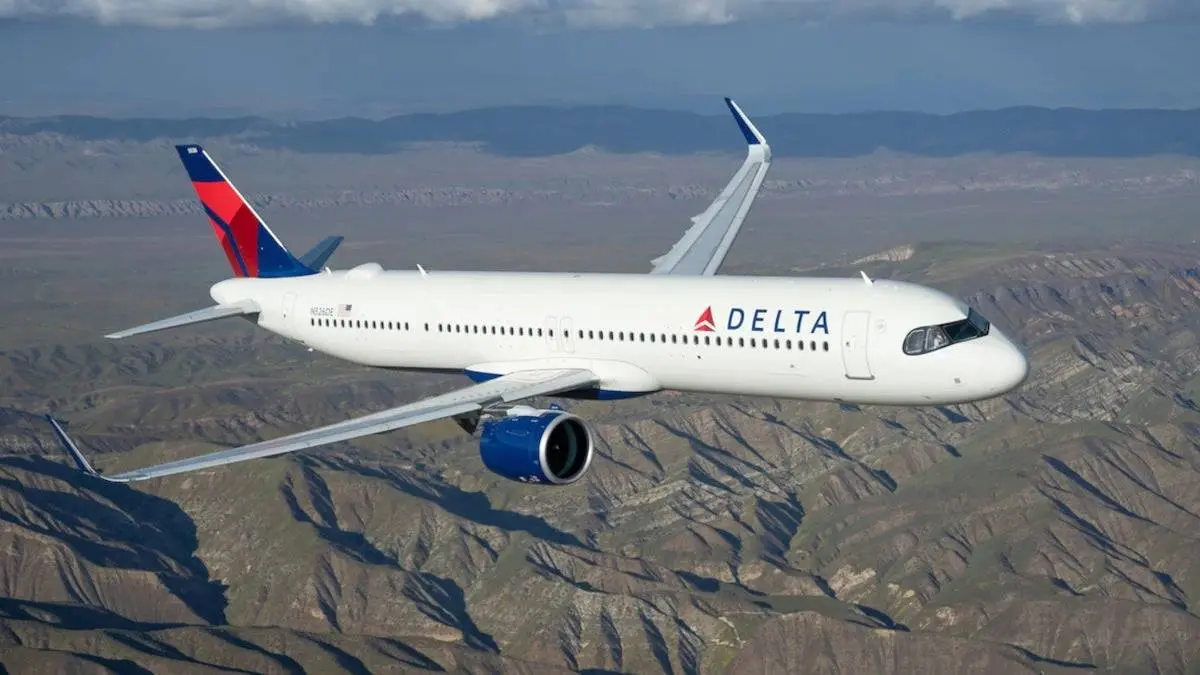
Using public Wi-Fi always comes with some risk, but I don't think many people expect to find a fake network while flying at 30,000 feet. That's exactly what reportedly happened on a recent Delta Air Lines flight, where someone created a rogue Wi-Fi network that looked like the airline's own service. The goal appears to have been simple: trick passengers into connecting and steal their login details.
The incident happened on August 10 aboard Delta Flight 591 from Las Vegas to Atlanta. There is another detail that makes this story even more interesting. Some of the passengers were returning from DEF CON 34, one of the world's largest cybersecurity and hacker events.
A fake "Delta WiFi Fast" network appeared
According to messages sent by the pilots to air traffic control, someone on the plane created a Wi-Fi network called "Delta WiFi Fast." The name was close enough to Delta's real service that passengers could easily connect to it by mistake.
Read also

Reports suggest the fake network may have sent users to a login page designed to steal account details. This type of attack is often called an "evil twin," since the attacker creates a network that looks like a real Wi-Fi hotspot and waits for people to connect.
Here's the thing, though. We still don't know exactly what happened on the plane. Some reports claim a Wi-Fi Pineapple was used to disrupt the real network and create the fake one, but the case is still under investigation. Delta has confirmed that an unauthorized network appeared, but it has not confirmed all of those technical details.

Delta turned off Wi-Fi for 30 minutes
Once the crew became aware of the problem, they shut down the plane's Wi-Fi for around 30 minutes. The flight continued to Atlanta with 199 passengers and six crew members, and no emergency was declared.
Authorities met the aircraft when it landed and began looking into what happened. Delta says its own systems were not hacked, and there is no sign that any of the aircraft's operating systems were affected. The airline is now working with federal law enforcement and aviation regulators on the case.
To be honest, this is the part that matters most. Someone creating a fake hotspot on a plane sounds scary, but there is no evidence that the aircraft itself was ever at risk. This appears to have been an attack aimed at passengers and their personal data, not the Boeing 757 or its flight systems.
Be careful with public Wi-Fi
The incident is also a good reminder of how easy it can be to connect to the wrong Wi-Fi network. A name such as "Delta WiFi Fast" looks harmless enough, especially when you're sitting on a Delta flight and waiting to get online.
I can easily see people falling for it.
That is why I always check the exact Wi-Fi name before joining a public network, whether I'm on a plane, in a hotel or sitting at an airport. And if a public hotspot suddenly asks for your Google, Apple or other account password when you weren't expecting it, that's a pretty good reason to stop.
We still don't know who created the fake network or whether anyone actually lost their account details. But whoever did it picked a rather unusual flight to try this on. Trying to fool a plane full of people returning from DEF CON probably wasn't the smartest choice.




Loading