Not Every Xiaomi Phone Will Get HyperOS 4's Best New Look
Xiaomi NewsSaturday, 15 August 2026 at 12:32
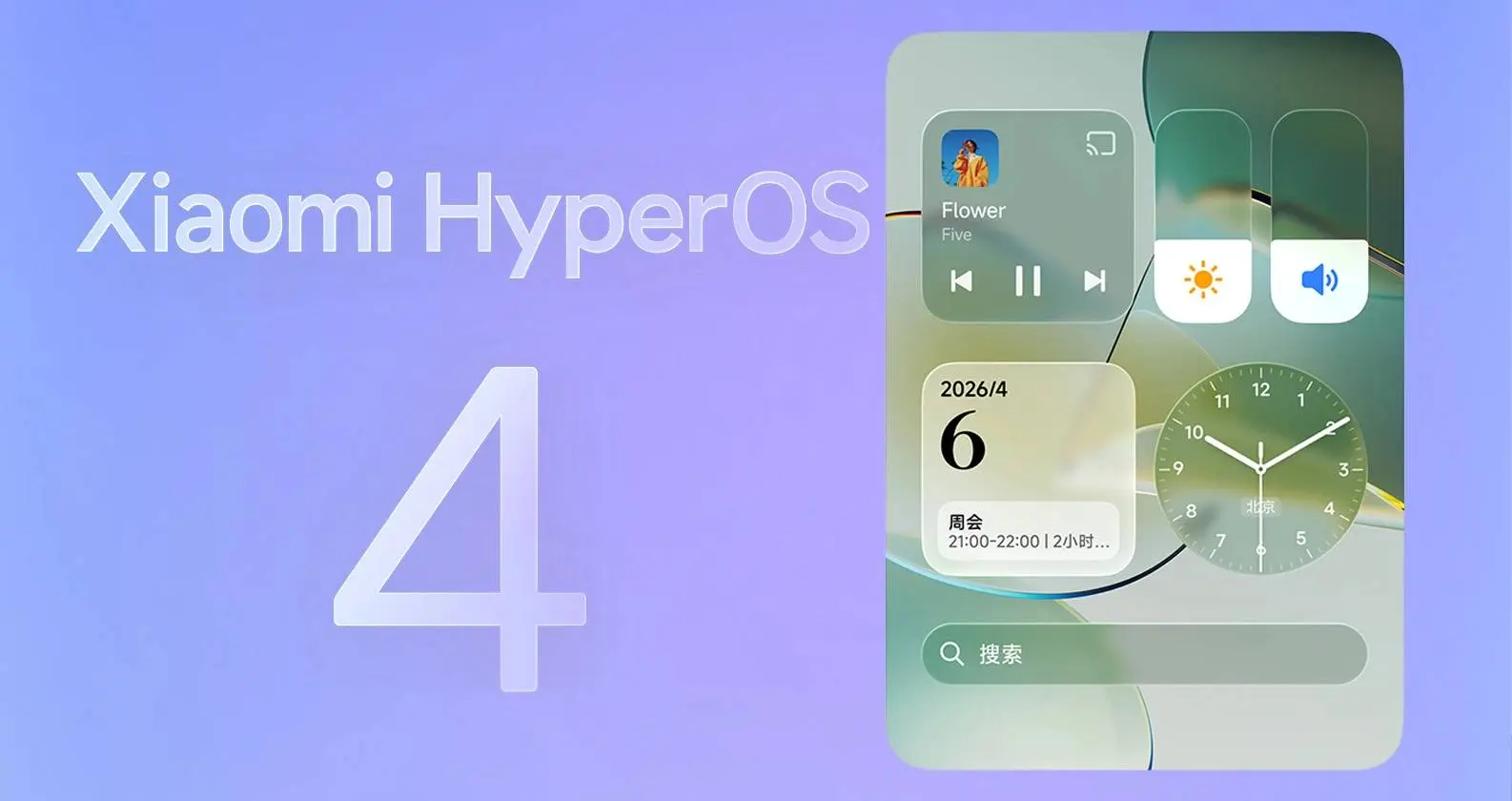
Xiaomi has finally revealed which devices will support one of the biggest visual changes in HyperOS 4. The company calls it Soft Light Glass, and it gives the interface a new glass-like look with light effects across several parts of the UI. There is a catch, though. Getting HyperOS 4 does not mean your phone will get the new design.
Xiaomi has now shared the first official list of devices that can run Soft Light Glass. For now, the list is based on Chinese models, so things are a little more complicated if you own a global Xiaomi or Poco phone.

HyperOS 4 Soft Light Glass needs more power
The new design is one of the main changes in HyperOS 4. Xiaomi uses glass effects across the system, along with new lighting, widgets and lock screen options. It is clearly meant to give HyperOS a more modern look, but Xiaomi says the full effect needs enough hardware power to run well.
And this is where things get interesting. Some older Xiaomi phones are still powerful enough to make the cut.
Read also
The Xiaomi 13, Xiaomi 14 and Xiaomi 15 series are all on the list, along with the new Xiaomi 17 family. Xiaomi's foldable phones also do quite well here, as the Mix Fold 3, Mix Fold 4, Mix Flip and Mix Flip 2 will support the new look.
To be honest, I am glad Xiaomi isn't keeping Soft Light Glass only for its newest phones. The Xiaomi 13 series is several generations old by now, but its hardware can still handle a modern UI without much trouble.
These Xiaomi and Redmi devices get it
Redmi users also have plenty of supported models. Xiaomi lists the Redmi K70 series, K80 series, K90 series and K100 Pro series, although the Redmi K70E is left out. The Redmi Turbo 4 Pro, Turbo 5 and Turbo 5 Max are supported as well.
There are tablets on the list too. Soft Light Glass will work on the Xiaomi Pad 8, Pad 8 Pro, Pad 7 Ultra and Pad 7S Pro. The Redmi K Pad and K Pad 2 are also supported.
Here's the full list Xiaomi has confirmed so far:
- Mix: Mix Fold 3, Mix Fold 4, Mix Flip, Mix Flip 2
- Xiaomi: Xiaomi 13 series, Xiaomi 14 series, Xiaomi 15 series, Xiaomi 17 series, Xiaomi 17T series
- Civi: Xiaomi Civi 5 Pro
- Redmi K: K70 series except K70E, K80 series, K90 series, K100 Pro series
- Redmi Turbo: Turbo 4 Pro, Turbo 5, Turbo 5 Max
- Xiaomi Pad: Pad 7 Ultra, Pad 7S Pro, Pad 8, Pad 8 Pro
- Redmi Pad: Redmi K Pad, Redmi K Pad 2
What about Poco and global Xiaomi phones?
Here's the thing, though. Xiaomi has not released a separate global list yet. That means you won't find many Poco phones mentioned, even when they share most of their hardware with a supported Redmi model.
For example, the Redmi K70 Ultra is linked to the global Xiaomi 14T Pro, while the Redmi K80 Ultra has its global counterpart in the Xiaomi 15T Pro. Some Redmi Turbo phones also share their hardware with Poco models sold outside China.
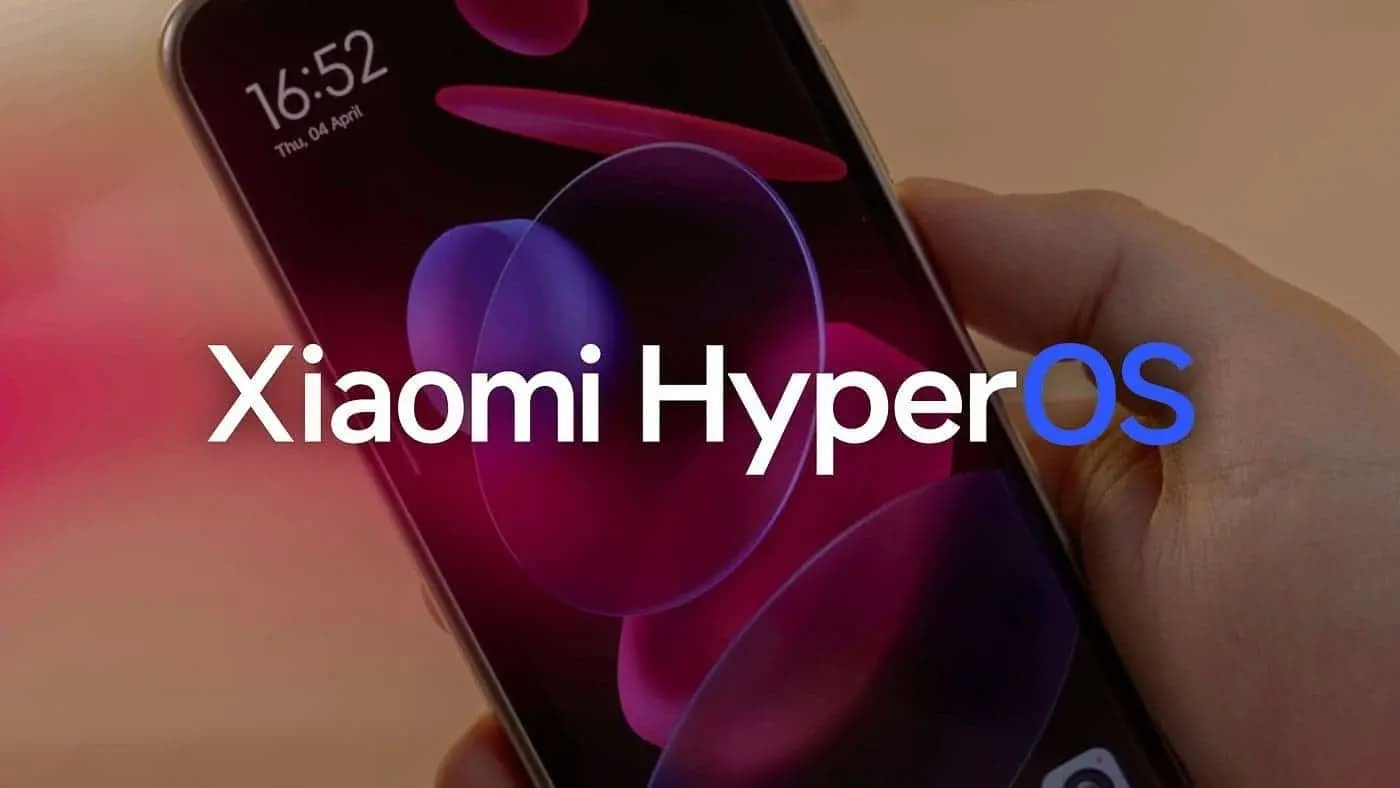
I would expect many of those global models to get Soft Light Glass as well. Still, I wouldn't call them confirmed until Xiaomi publishes the global list. Having the same chip and hardware is a very good sign, but software support can still change between regions.
The first HyperOS 4 beta rollout has already started in China for the Xiaomi 17, Redmi K90 and Xiaomi Pad 8 families. Xiaomi has not announced a public global rollout date yet.
Personally, I don't mind Xiaomi limiting heavier visual effects on phones that can't run them well. I would rather have a smooth version of HyperOS 4 than a fancy glass effect that makes an older phone feel slow.
But Xiaomi needs to make the difference clear. Getting HyperOS 4 and getting the full HyperOS 4 experience are now two different things.

Loading