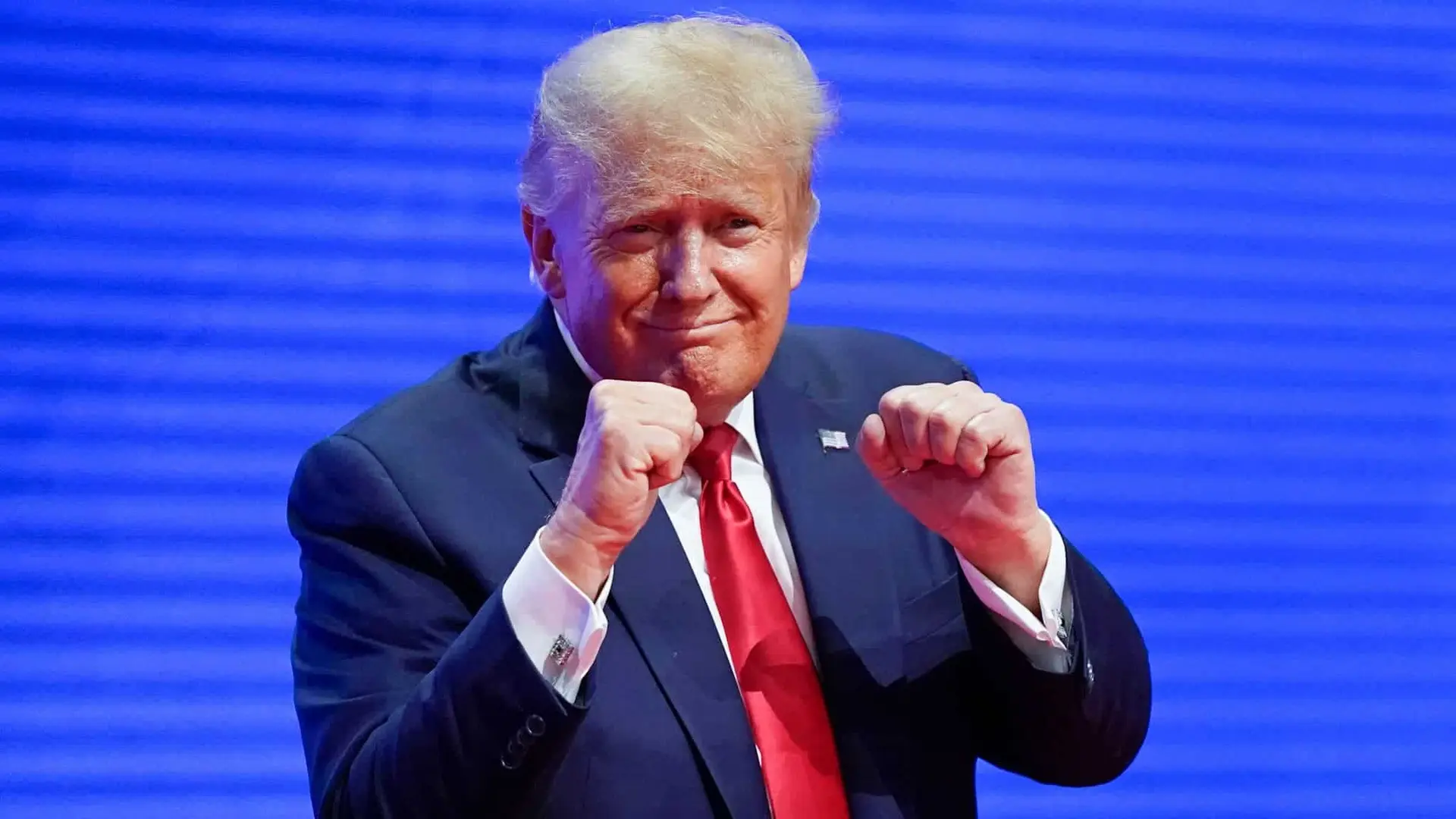
US President Donald Trump has announced a major policy change: American tech giant Nvidia can now sell its high-performance H200 AI chips to approved customers in China. This move is a clear attempt to find a middle ground in the fierce technology trade war. It allows a key American company to access a massive market, but it also gives the US government a piece of the revenue. The price for this access is a steep 25% export tariff, which the US will collect on these sales.

The President said this policy will support US jobs and taxpayers. He strongly criticized older restrictions that forced American chipmakers to create "degraded" products nobody truly wanted. He said that era is now over. This new plan will also apply to other big chip companies like AMD and Intel, making it a wide-ranging shift.
Why the H200 Matters
The H200 is Nvidia’s second-most powerful chip. It is built on the proven Hopper architecture. The chips previously allowed into China—like the custom H20—were much weaker. Reports from groups like the non-partisan Institute for Progress show the H200 is up to six times faster than the H20 for certain AI tasks. This big jump in power is great for China’s big tech companies that train huge AI models.
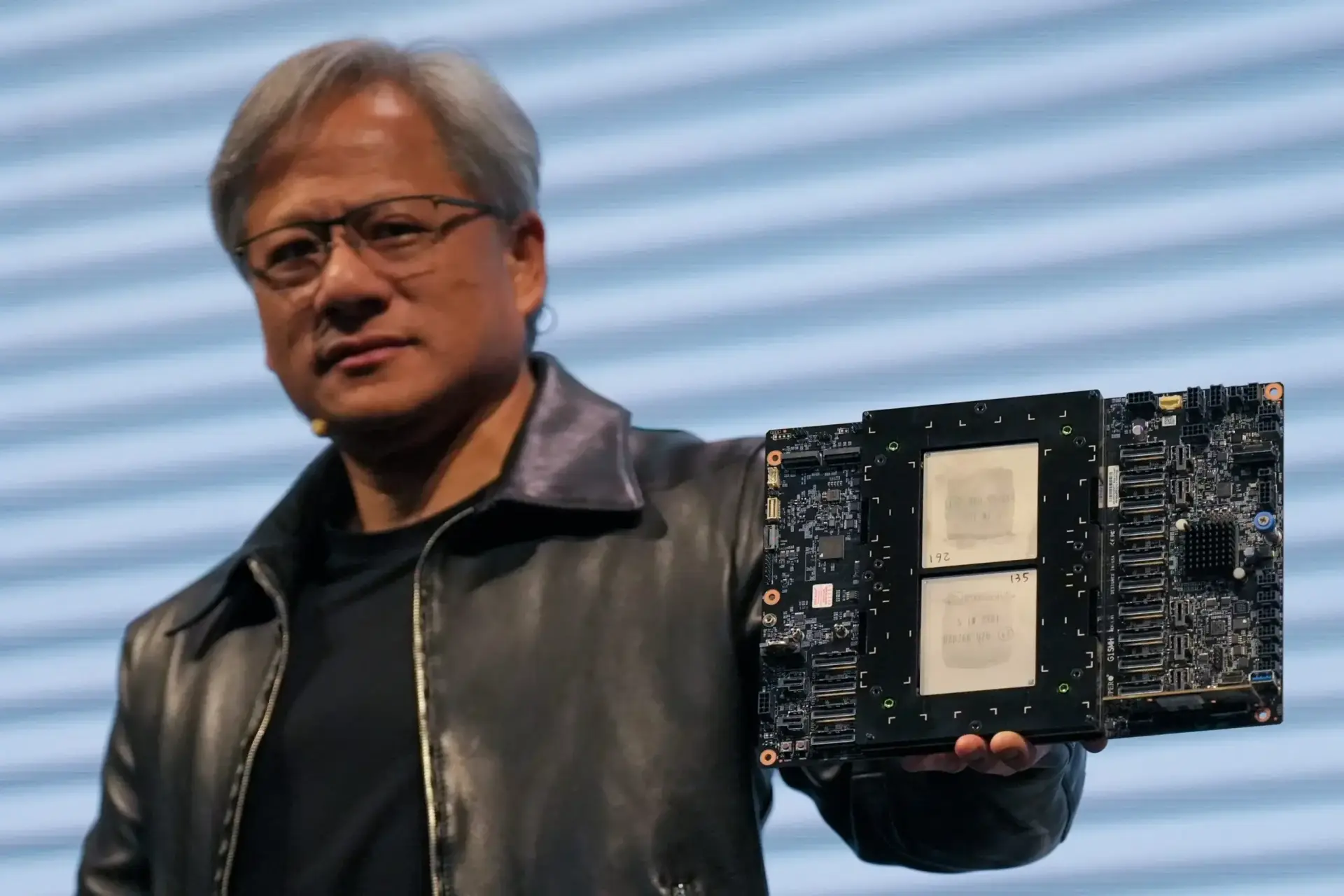
It is important to know what remains banned. Nvidia’s best chips, the Blackwell B200 series, and its next-generation Rubin chips are still off-limits. These are faster, with the B200 offering around 2.5 times the performance of the H200 in some key metrics. This ban keeps America’s biggest technological edge safe. However, this policy shift comes just after the US Justice Department announced a smuggling ring that moved hundreds of millions of dollars worth of banned chips, including the H200, into China. Legal sales with a high tariff may be the government’s way to fight this black market trade.

The Nvidia H200
The China Problem and Huawei’s Race
The big question now is simple: Will Chinese companies buy the chips? The Chinese government has often told its local companies to avoid using American technology. Beijing wants to support its own chipmakers.
Companies like Huawei have huge, public plans to catch up to Nvidia. Huawei recently shared a three-year roadmap for its Ascend AI chips, aiming to launch the powerful Ascend 950 in 2026. This ambitious plan seeks to double chip performance yearly.
This new US policy creates a tough choice for China. They can buy the powerful, proven H200 now, which will speed up their AI work. Or, they can wait for Huawei's domestic chips to improve. Either way, the US is trying to gain financial and strategic control over a crucial global market.
Popular News

Latest News
Loading