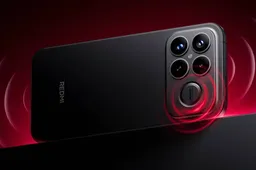
REDMI Book 2026 Series Launched: 14 and 16-Inch Laptops With Intel Core Ultra 5
RedmiSunday, 19 April 2026 at 04:32
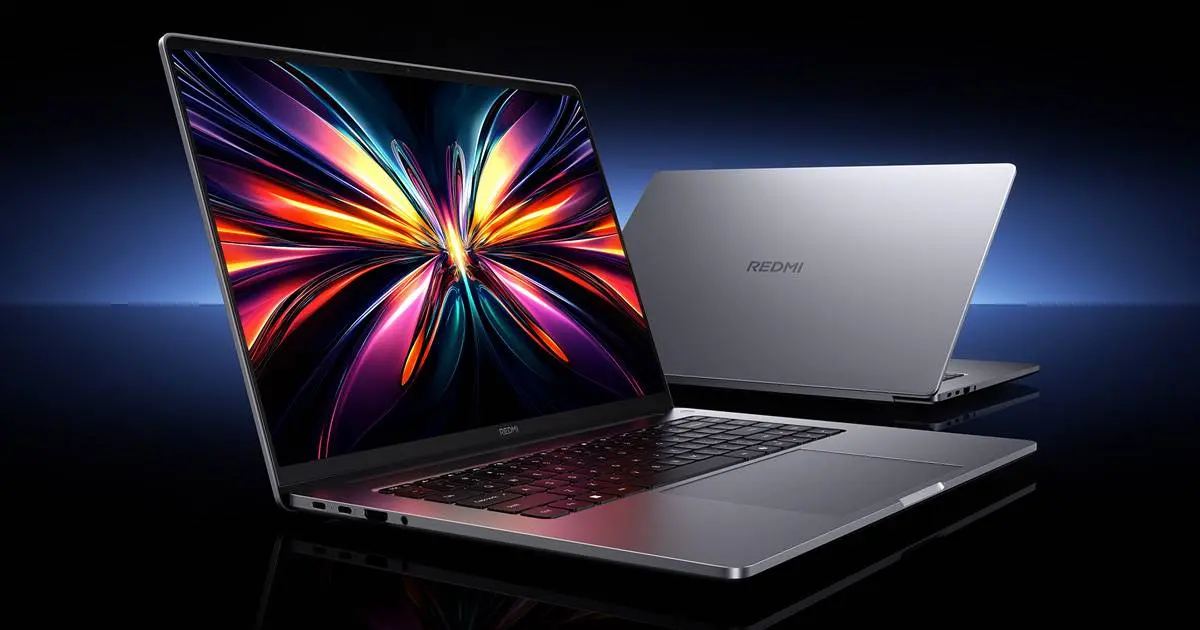
Good laptops at aggressive prices is Redmi's formula. The 2026 Book series doesn't reinvent it — but it executes it well.

Summary
- Xiaomi officially launched the Redmi Book 14 and Redmi Book 16 2026 in China on April 17, both powered by Intel's Core Ultra 5 125H (14-core, Meteor Lake) with up to 60W sustained performance via dual-fan, dual heat-pipe cooling.
- Displays run at 120Hz across both sizes — the 14-inch offers a 2.8K (2880×1800) panel at 500 nits, while the 16-inch delivers 2.5K (2560×1600) at 400 nits, both glossy.
- An 80Wh battery and 100W GaN USB-C adapter are shared across the lineup, with the 16-inch confirmed to deliver around 24.8 hours of local video playback in testing.
- Pricing starts at CNY 5,499 (~$760) for the 14-inch 16GB+512GB configuration, rising to CNY 6,699 (~$926) for the 16-inch 32GB+1TB model — with a CNY 500 early-buyer discount until April 23.
- Xiaomi HyperConnect integration enables cross-device features including wearable gesture control for presentations, automotive hotspot handoff, cross-device camera sharing, and drag-and-drop file transfer between the laptop and Xiaomi Pad.

These aren't the flashiest laptops Xiaomi announced this week — the Redmi Book Pro 2026 with its Panther Lake X7 358H chip handles that role. But the standard Book series is what most people will actually buy, and the pricing is notably sharp.
Read also
The Core Ultra 5 125H in Context
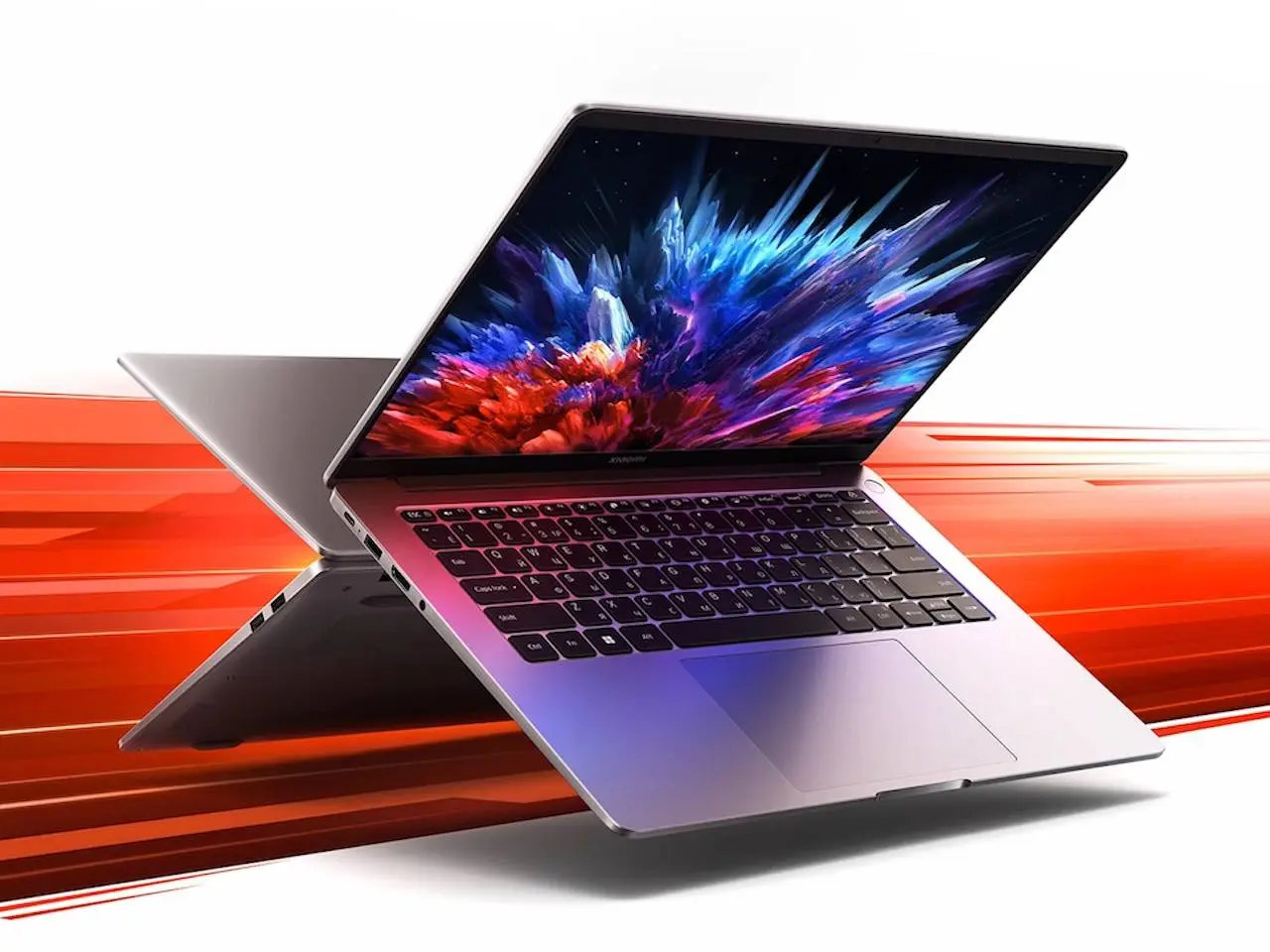
The 125H is a Meteor Lake chip — not Panther Lake, which is Intel's latest architecture. That matters for managing expectations. You're getting 14 cores, integrated Arc graphics, a dedicated NPU for AI tasks, and a chip that's proven and well-optimized rather than cutting-edge. At 60W sustained performance via a dual-fan system, the thermal solution is properly sized for the chip — which means the 125H should run at its full capability rather than throttling under sustained workloads.

For productivity, light creative tasks, and AI-assisted features, this is entirely sufficient. Buyers wanting the latest Intel silicon will need to step up to the Redmi Book Pro 2026 or the Xiaomi Book Pro 14. But at CNY 5,499, the standard Book 2026 isn't pretending to be something it isn't.
HyperConnect: The Ecosystem Play
Frankly, this is where Xiaomi's laptop strategy diverges from the generic Windows laptop market. HyperConnect turns the Redmi Book into a hub that communicates with Xiaomi phones, bands, watches, pads, and vehicles. The wearable gesture control for presentations is a genuinely useful feature for anyone who regularly presents. The automotive hotspot handoff — automatically connecting to a vehicle's network when nearby — addresses a real friction point in hybrid work scenarios.

These features only work within Xiaomi's ecosystem, which is a meaningful constraint for non-Xiaomi users. But for households already invested in the brand, this level of integration is difficult for Windows OEMs without their own device ecosystems to replicate.
Port Selection Worth Noting
Both models ship with the same I/O: Thunderbolt 4, full-function USB-C 3.2 Gen 2, HDMI 2.1, 3.5mm audio jack, and two USB-A 3.2 Gen 1 ports. That's a complete port set for a laptop in this price range — no need for a hub from day one, which isn't guaranteed at sub-CNY 7,000 pricing.
Popular News



Latest News
Loading