Rivian Rejects Apple CarPlay and Android Auto - Instead chooses AI As the Real Dashboard
aiTuesday, 02 June 2026 at 15:45
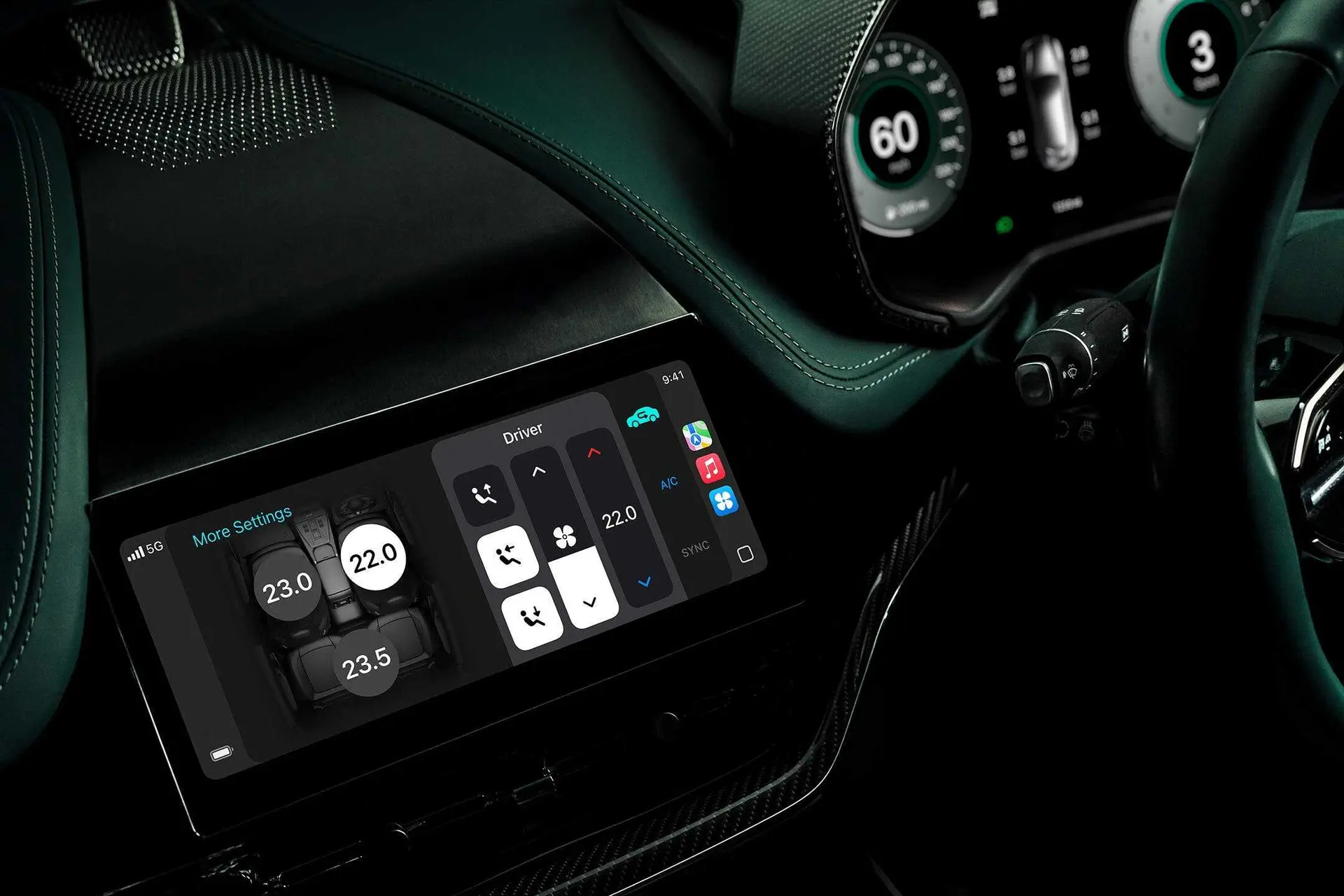
Many drivers still expect Apple CarPlay the moment they sit in a new car. Rivian doesn't. The electric vehicle maker is taking a very different path. While many brands continue to support smartphone mirroring, Rivian wants drivers to spend less time interacting with their phones and more time interacting with the car itself. It's a bold strategy. Maybe even a risky one.

Summary
- Rivian continues to reject Apple CarPlay and Android Auto.
- The company wants full control over its dashboard experience.
- AI-powered voice controls are becoming the center of its software strategy.
- Rivian believes future vehicles will be "AI-defined" rather than software-defined.
- Success depends on whether drivers trust voice systems more than their phones.
Why Rivian Doesn't Want CarPlay
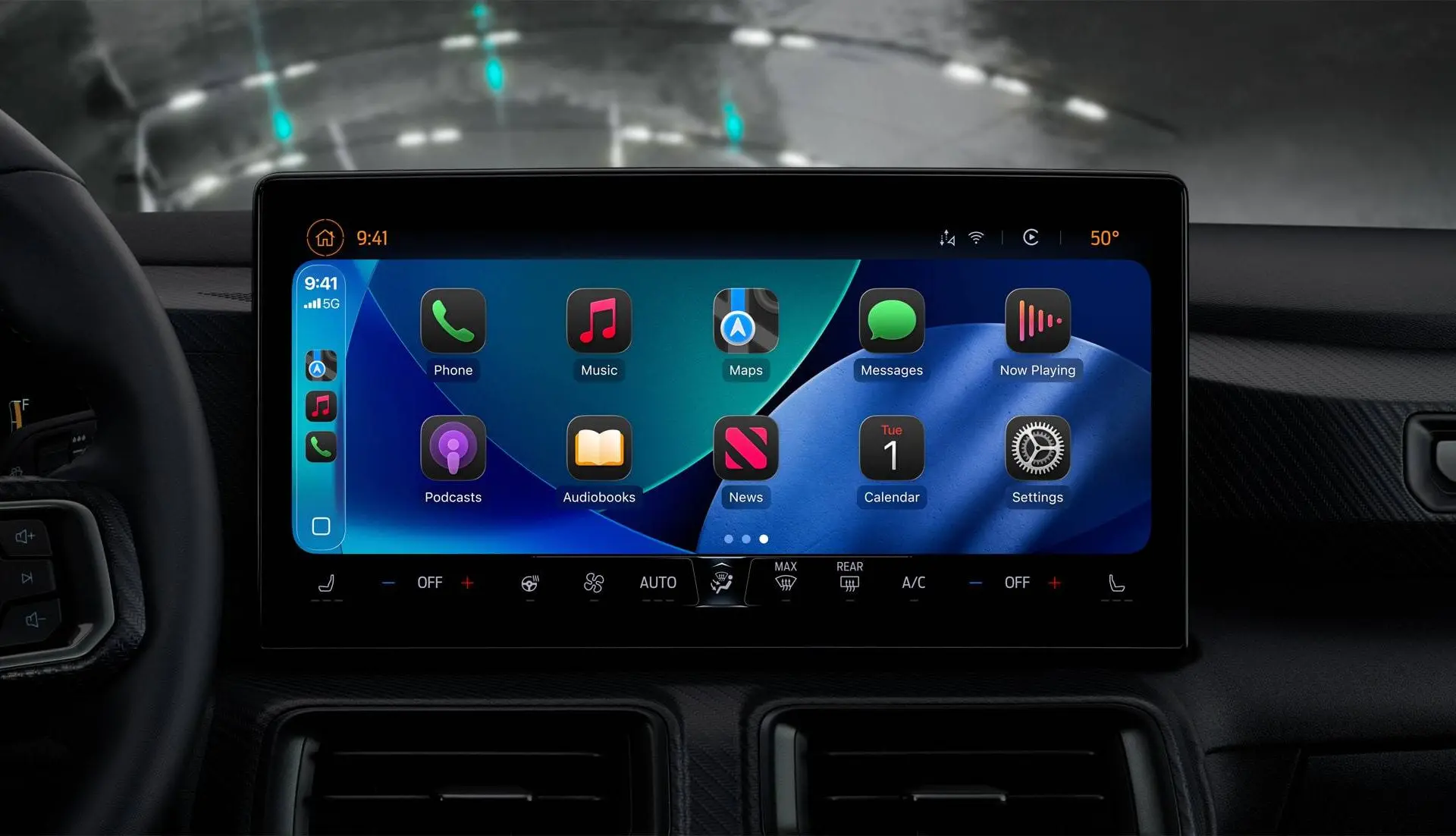
Most automakers see CarPlay as a selling point. Rivian sees a problem. The company's software team argues that phone mirroring takes over the entire screen and breaks the experience they spent years designing. From Rivian's point of view, every map, menu, and animation should work as part of one connected system.
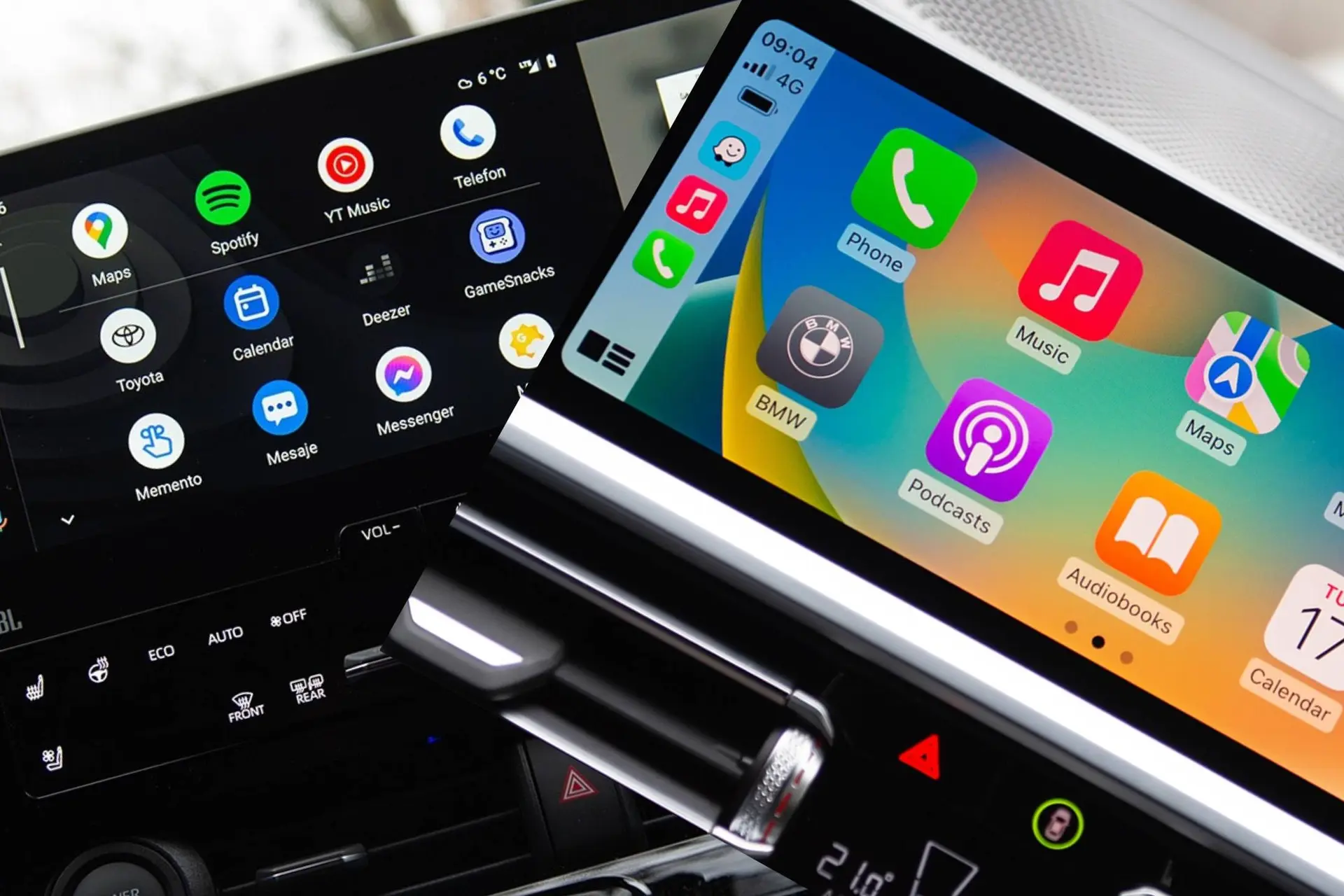
That sounds reasonable. But there's another side to the debate.
Drivers already know how to use their phones. They trust them. Asking customers to abandon familiar apps is never easy, especially when Apple and Google have spent years refining their software. That's the challenge Rivian faces.
Betting Big on Voice Instead
The company's answer is artificial intelligence.Not the buzzword version. The practical version. Rivian wants voice commands to become the main way people interact with their vehicles. Instead of tapping through layers of menus, drivers would simply speak. Navigation, climate settings, vehicle controls, and entertainment could all be handled through conversation.

In theory, that sounds safer. A driver can keep their eyes on the road instead of searching through screens.
The problem is history. Early vehicle voice assistants were often terrible. They misunderstood commands, struggled with accents, and turned simple requests into frustrating exercises. Many drivers still remember that experience.
Rivian is betting that modern AI has finally solved those problems.
A Bigger Shift Than It Appears
The company's long-term goal goes beyond replacing buttons. It wants to replace the idea of apps altogether.
Instead of opening separate programs, drivers would interact with a single digital assistant capable of handling complex requests. That's a major shift in how vehicles are designed. It could also reduce hardware complexity and make software updates easier to deliver. Frankly, it's an ambitious vision. Whether consumers embrace it is another question.
For now, CarPlay remains popular across much of the industry. Yet Rivian, along with companies such as Tesla and General Motors, believes the future belongs to fully integrated vehicle software. If they're right, the dashboard of tomorrow may look less like a smartphone and more like a conversation.


Loading