REDMI Officially Announces New High-Performance Notebooks with Large Battery and LCD Displays
RedmiSaturday, 11 April 2026 at 06:09
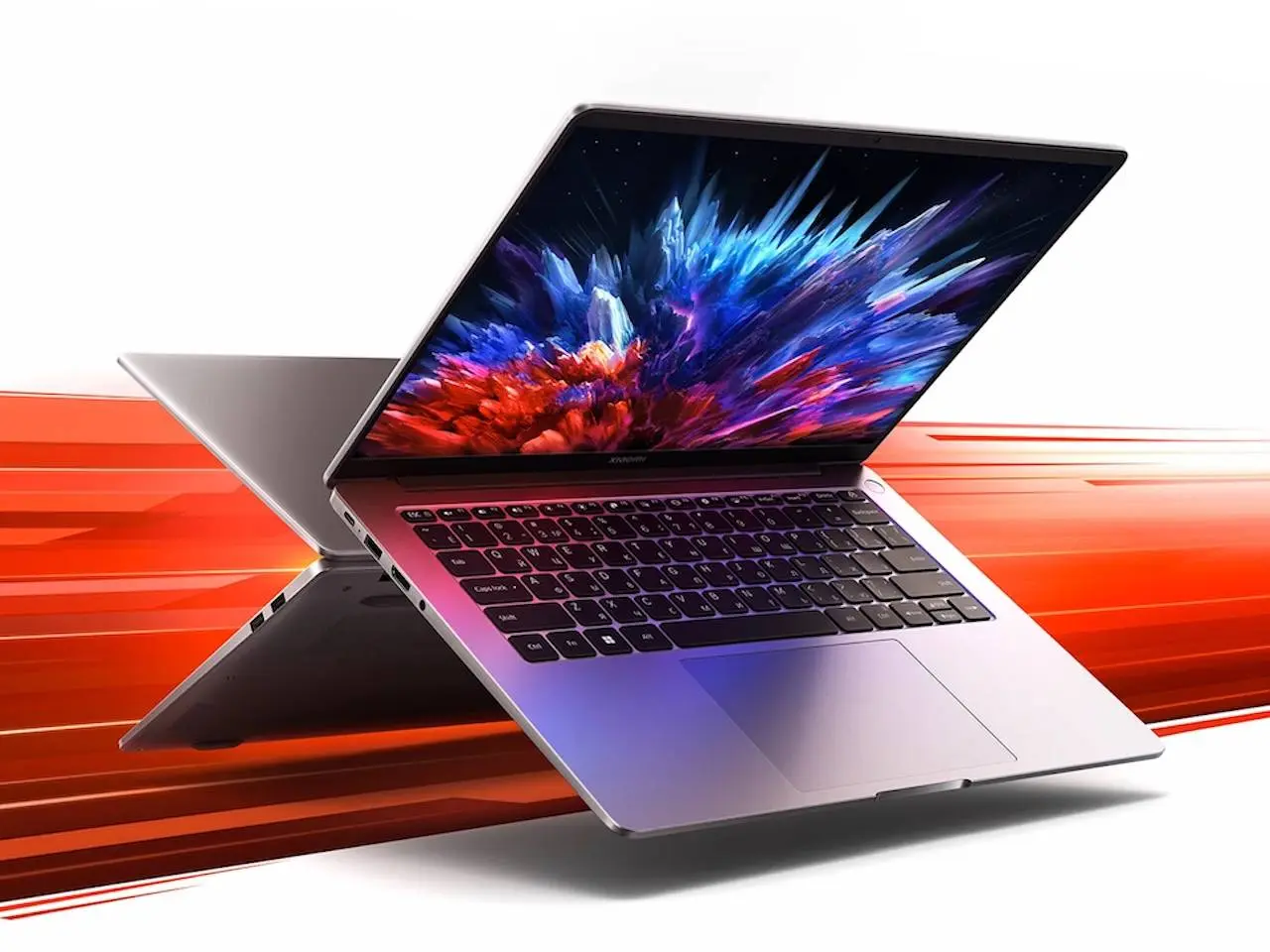
Xiaomi just launched its premium Book Pro 14 with an OLED display and a starting price of roughly 8,499 yuan. And now, barely weeks later, it's already teasing the follow-up that undercuts it.

Summary
- The Redmi Book Pro 2026 series arrives in 14-inch and 16-inch configurations, both topping out at the Intel Core Ultra X7 358H — Intel's latest Panther Lake processor built on the Intel 18A process with a 16-core layout and up to 180 TOPS of AI performance.
- The 16-inch model ships with a 99Wh battery; the 14-inch gets 92Wh with 90W fast charging — plus a claimed 37 hours of local video playback for the smaller model, which is an extraordinary figure if independent testing bears it out.
- Both models use high-refresh LCD displays rather than OLED — a deliberate product segmentation choice that keeps the Redmi line distinct from the OLED-equipped Xiaomi Book Pro 14 above it.
- Launch is expected in late April 2026, timed alongside the Redmi K90 Max smartphone event in China; pricing hasn't been confirmed but is expected to come in below the Xiaomi Book Pro 14's CNY 7,999 starting point.
- The series is Xiaomi's explicit push to deploy Intel Panther Lake across a wider price range — not just the premium tier — and positions both models directly against Apple's MacBook Pro M5 lineup in its own marketing materials.

The Xiaomi Book Pro 14 was already one of the first laptops anywhere to ship with Panther Lake silicon. Now Xiaomi wants that same platform in a more accessible bracket — and it's using the Redmi brand to do it.

The Intel 18A Bet
Let's be clear about what the Core Ultra X7 358H actually represents. Intel's Panther Lake architecture is the company's first serious attempt to claw back efficiency ground it's been losing to Apple's M-series and Qualcomm's Snapdragon X platform. Built on Intel's own 18A process, the chip delivers up to 180 TOPS of NPU performance — competitive with the Qualcomm X Elite — and integrates Arc B390 graphics with 12 Xe3 cores. The Redmi Book Pro 2026 will be one of the first mass-market Windows laptops to put this chip in front of everyday buyers, not just premium tier customers.

The memory pairing matters here too. LPDDR5X at 9,600 MT/s is genuinely fast — faster than what most competing Windows laptops at this price tier currently ship with. Given the ongoing memory cost surge, using high-speed components in a Redmi-branded device at a sub-8,000 yuan price point is either aggressive margin management or a clear signal that Xiaomi wants this launch to generate noise.
Two Sizes, Different Battery Stories
The 99Wh cell in the 16-inch model is the aviation-legal maximum — a figure that places it alongside far more expensive workstation-class laptops. But I suppose the 14-inch model's 92Wh is the more interesting story. Xiaomi is claiming up to 37 hours of local video playback for that configuration. That's an eyebrow-raising figure. Independent testing will tell the real story, but even if real-world use delivers half that, it's still exceptional for a compact 14-inch laptop powered by x86 silicon. The 90W fast charging support for the 14-inch model adds practical daily convenience on top of the headline battery number.

The LCD vs. OLED Distinction That Actually Matters
Here's the detail that makes this lineup coherent rather than confusing: the Redmi Book Pro 2026 uses LCD displays, explicitly not OLED. The Xiaomi Book Pro 14 sits above it with a 3.1K OLED touchscreen. Redmi gets high-refresh LCD. That's deliberate product tiering — buyers who want OLED pay more for the Xiaomi branding. Buyers who want maximum battery life and a lower entry price pick Redmi. It's the same Intel Panther Lake platform underneath, which is frankly a smart way to run two product lines without cannibalizing either.
Popular News



Latest News
Loading