Xiaomi Confirms Next-Generation HyperOS Launch for July and August
Xiaomi NewsTuesday, 26 May 2026 at 15:17
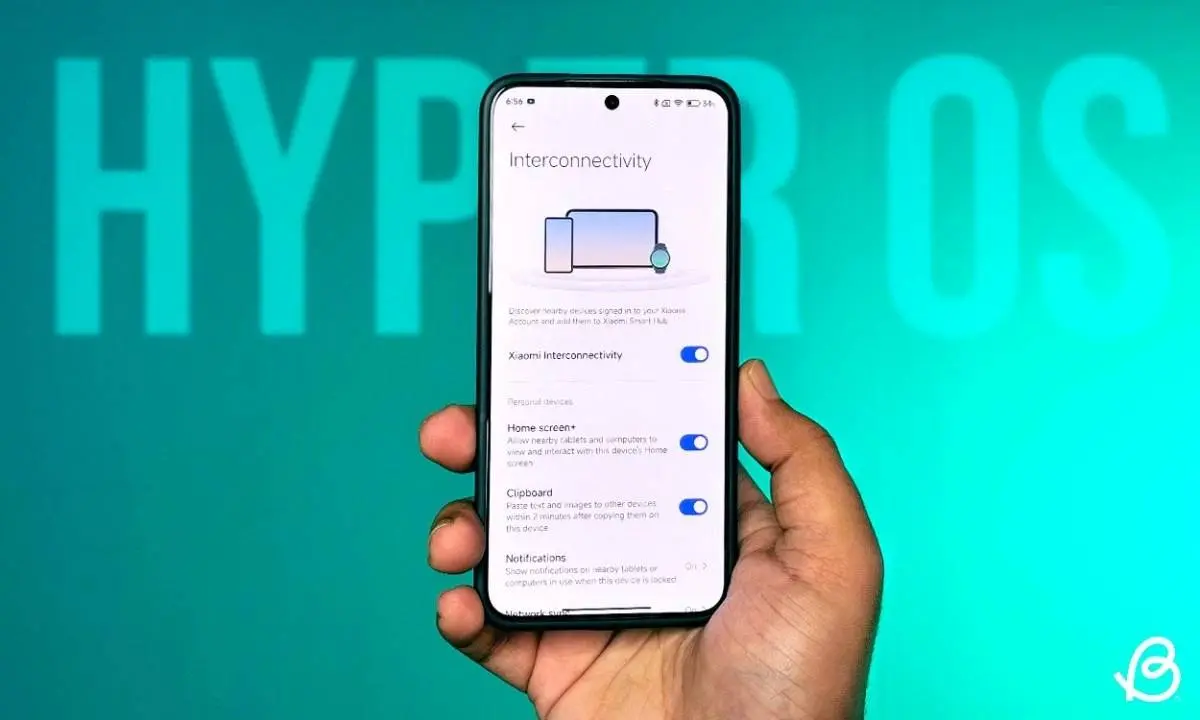
Xiaomi is shaking up its ecosystem again, this time pushing a big change for HyperOS. The focus is squarely on deep artificial intelligence. This is not a simple cosmetic refresh with minor tweaks. Instead, the update merges the Super Xiaoai assistant with a new setup called the miclaw system. The goal is to build a highly responsive environment that handles daily tasks naturally. Whether this setup delivers on its grand promises remains to be seen, but the intent to change how we use these devices is quite clear.

Summary
- Xiaomi announced the next generation of HyperOS for a mid-summer release.
- The software core combines Super Xiaoai with the new Miclaw system.
- Deep artificial intelligence integration forms the backbone of the update.
- The system aims to anticipate user needs across the hardware ecosystem.
- This release represents a fundamental shift rather than a minor interface patch.
A deeper look at the AI integration
Software updates often promise a revolution but deliver mere evolution. This time, the structural changes might actually carry some real weight. The link between the upgraded assistant and the underlying miclaw system aims to streamline operations across the entire hardware lineup. It feels like a direct response to global rivals who are aggressively pushing machine learning directly into mobile user interfaces.

It is an interesting approach to ecosystem management. By using full system capabilities, the platform attempts to predict user habits rather than just reacting to manual inputs. The hardware giant needs this to work smoothly. If the interface feels slow or intrusive, users will simply turn the smart features off.
What this means for the ecosystem
We should consider the practical side of these changes. Seamless performance sounds great during a presentation, but real-world use requires massive optimization. The new setup needs to balance heavy tasks without draining the battery or overheating the processors.
The upcoming rollout will test whether this software can truly unify phones, tablets, and smart home tech. If successful, the combination of advanced voice processing and automated task management could establish a new benchmark for the brand. It is an ambitious bet on a smart future, and the tech community is watching closely to see if the final product matches the initial corporate enthusiasm.
Popular News


Latest News
Loading