Xiaomi HyperOS 4 Leaks: Liquid Glass Design, Rust Apps, and a Leica Colour System
Xiaomi NewsSaturday, 09 May 2026 at 10:10
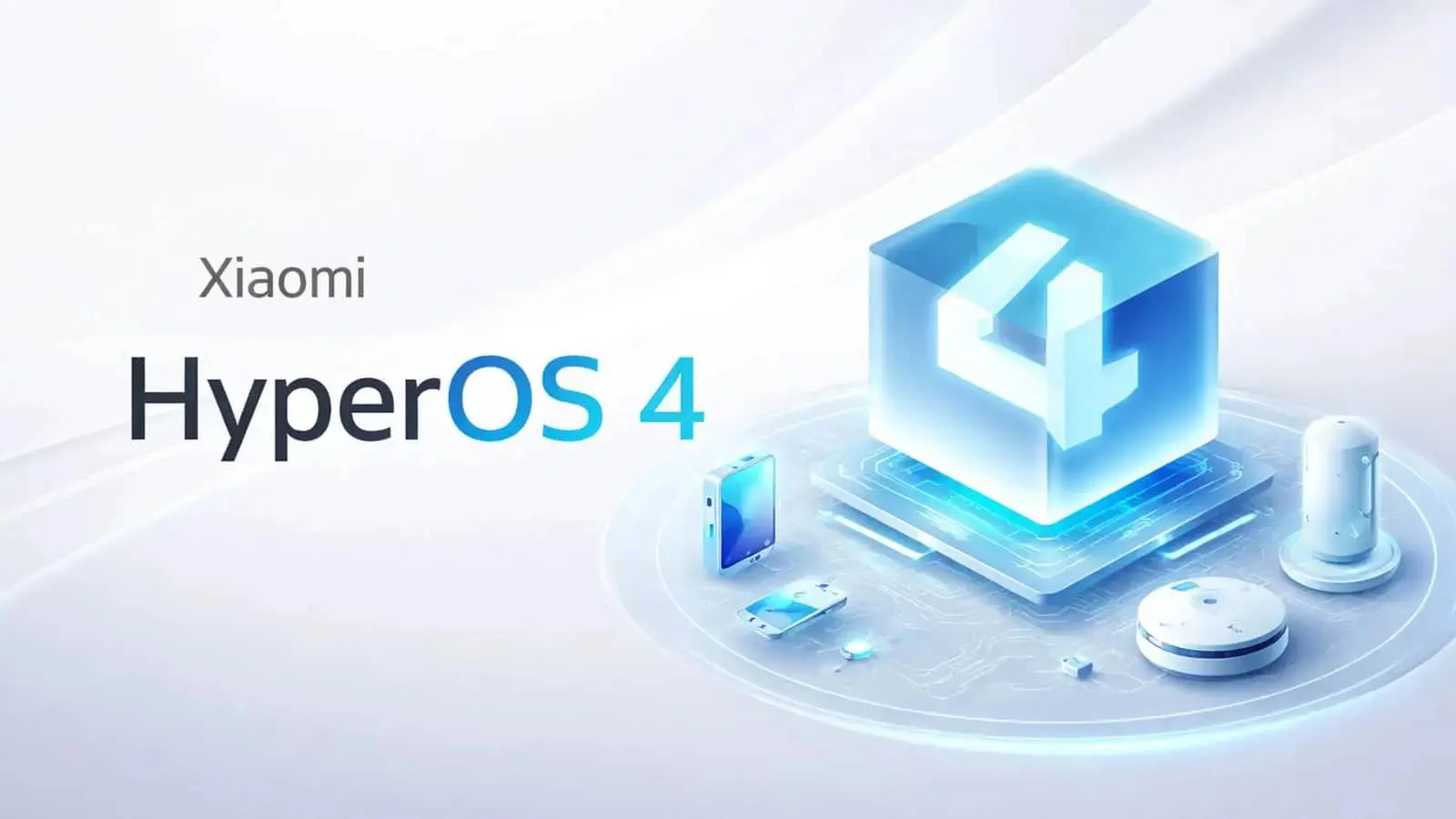
Digital Chat Station dropped a HyperOS 4 leak on Weibo on May 6 — just days before Google I/O on May 12, where Android 17's own Liquid Glass design direction is expected to be revealed. The timing isn't coincidental. Xiaomi is building HyperOS 4 on Android 17, and the design language is converging around the same transparent, fluid aesthetic that Apple introduced with iOS 26.

Q3 2026 is the expected launch window, debuting alongside the Xiaomi 18 series.
Key Points
- Digital Chat Station confirmed HyperOS 4 will adopt a Liquid Glass UI — transparent surfaces, fluid animations, and depth effects replacing HyperOS 3's current design language
- Tipster Smart Pikachu separately leaked a Leica-inspired colour palette for HyperOS 4 — themed icons, shadow and light effects, and sounds building on Xiaomi's deepening Leica partnership
- Rust programming language confirmed for core system app rewrites — more secure, more modular architecture than the current MIUI-legacy codebase
- Flutter UI framework being adopted for system apps — enabling faster, more consistent animations across the entire OS
- HyperOS 4 expected to debut in Q3 2026 alongside the Xiaomi 18 series — not June as some reports suggest. June is when Android 17 stable launches, which HyperOS 4 is built upon

HyperOS 3.3 First, Then HyperOS 4
Understanding the roadmap matters here. HyperOS 3.3 — currently in beta on the Xiaomi 17, 17 Ultra, Leica Leitzphone, and 15T Pro — is a pure Android 17 foundation update. No visual changes, no new features. It exists to stabilise the Android 17 base before HyperOS 4 arrives with the full redesign.
HyperOS 4 is the one that actually looks different. The Liquid Glass design, the Leica colour system, the Rust-rewritten apps — all of that comes with HyperOS 4, not 3.3. Devices that don't participate in the HyperOS 3.3 beta will jump directly to HyperOS 4 to receive Android 17.
Liquid Glass — Where Xiaomi, Google, and Apple Are All Landing
The convergence around Liquid Glass in 2026 is striking. Apple launched it with iOS 26 and macOS Sequoia. Google is expected to reveal Android 17's own Liquid Glass direction at I/O on May 12. Digital Chat Station's Xiaomi leak on May 6 — just before I/O — completes the picture. Three of the world's largest mobile software platforms are all moving toward the same transparent, depth-layered aesthetic simultaneously.
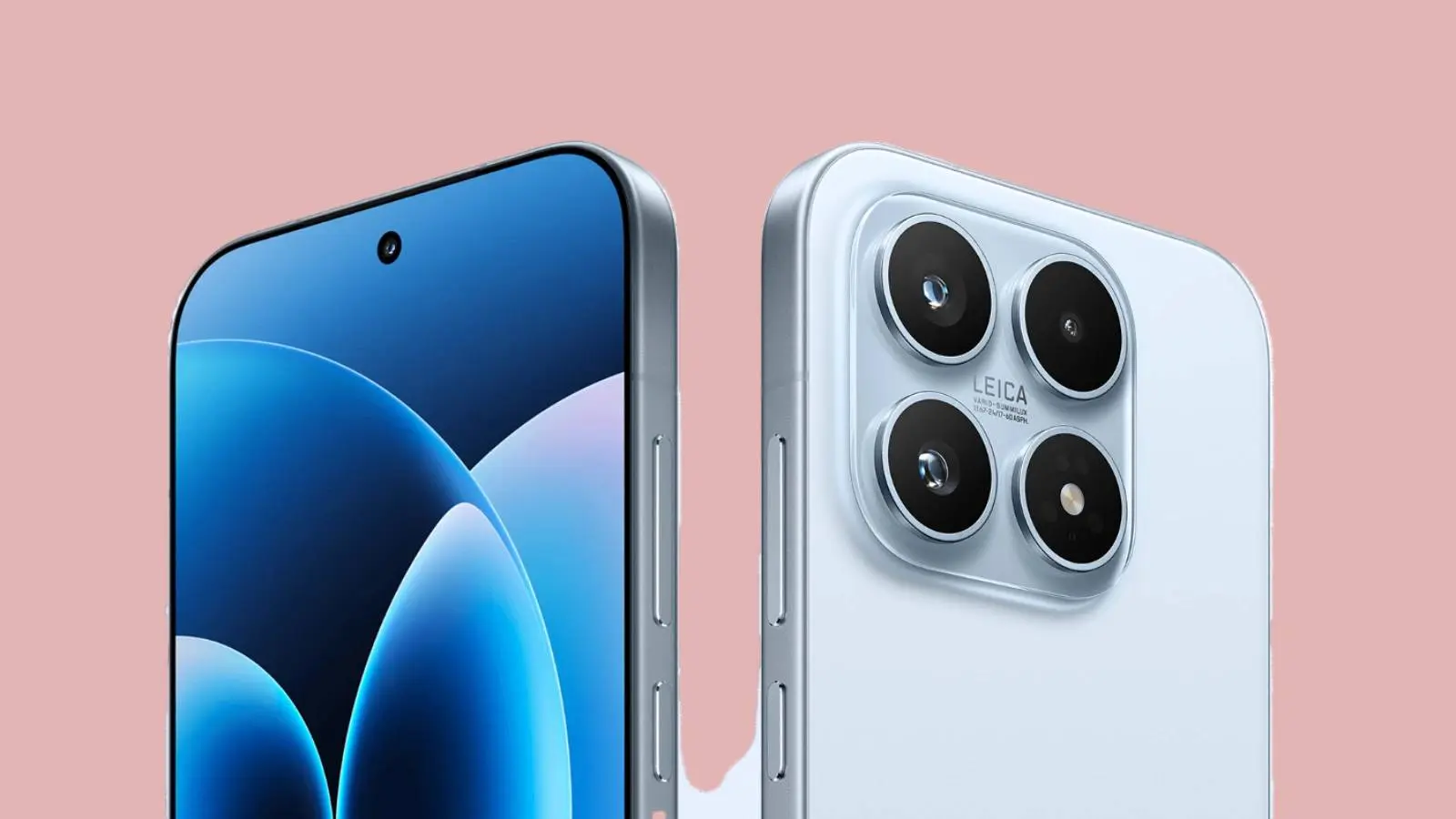
For Xiaomi, the "~" identifier DCS used in the Weibo post is a known signal that the leak specifically concerns Xiaomi — not a general Android trend report. HyperOS 4's Liquid Glass implementation is Xiaomi's own take, not a direct copy of Android's direction.
The Leica Colour System Is the Differentiator
Smart Pikachu's separate leak describes a Leica-inspired theming system built into HyperOS 4 from the ground up. The Leica Leitzphone collaboration has already pushed Xiaomi's camera colour science in new directions — now that aesthetic philosophy may extend to the entire interface. Leica-themed icons, shadow and light rendering that mirrors Leica's optical character, and a distinct sound design are all reportedly in development.
If accurate, this gives HyperOS 4 a design identity that no other Android skin can replicate — tied to a genuine luxury imaging brand rather than generic premium aesthetics.
Zero-Legacy Architecture
HyperOS 4 is targeting what Xiaomi internally describes as a "zero-legacy" release — the first version with no remaining MIUI codebase anywhere in the system. The Weather and Photo Album apps in HyperOS 3.1 already began removing MIUI SDK components. HyperOS 4 completes that process entirely, rewriting core system apps in Rust for security and modularity, and adopting Flutter for UI consistency.
The practical benefit for users: faster security patches, more modular updates, and performance gains especially noticeable on mid-range hardware where legacy code overhead has always been most visible.
Xiaomi 18 series. Q3 2026.
Popular News
Latest News
Loading