Samsung Secures Exclusive Deal to Supply OLED Panels for Foldable iPhone
SamsungWednesday, 08 April 2026 at 15:17
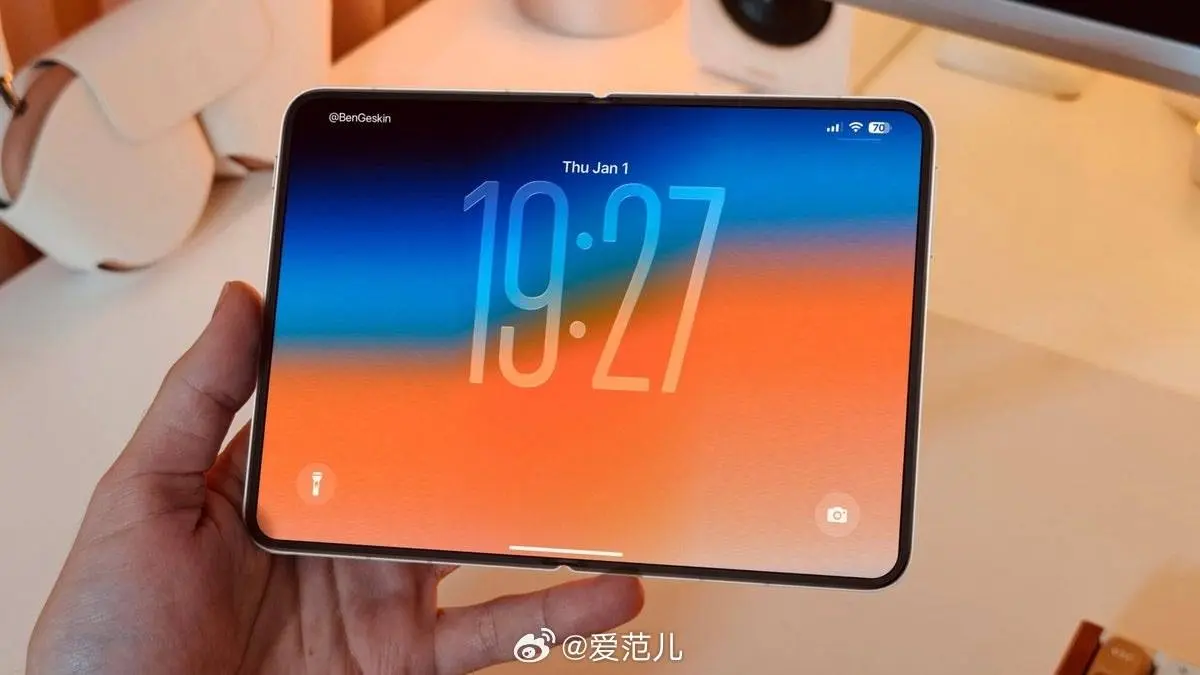
The foldable iPhone has been a rumor for so long, it started to feel like vaporware. Well. It isn't.
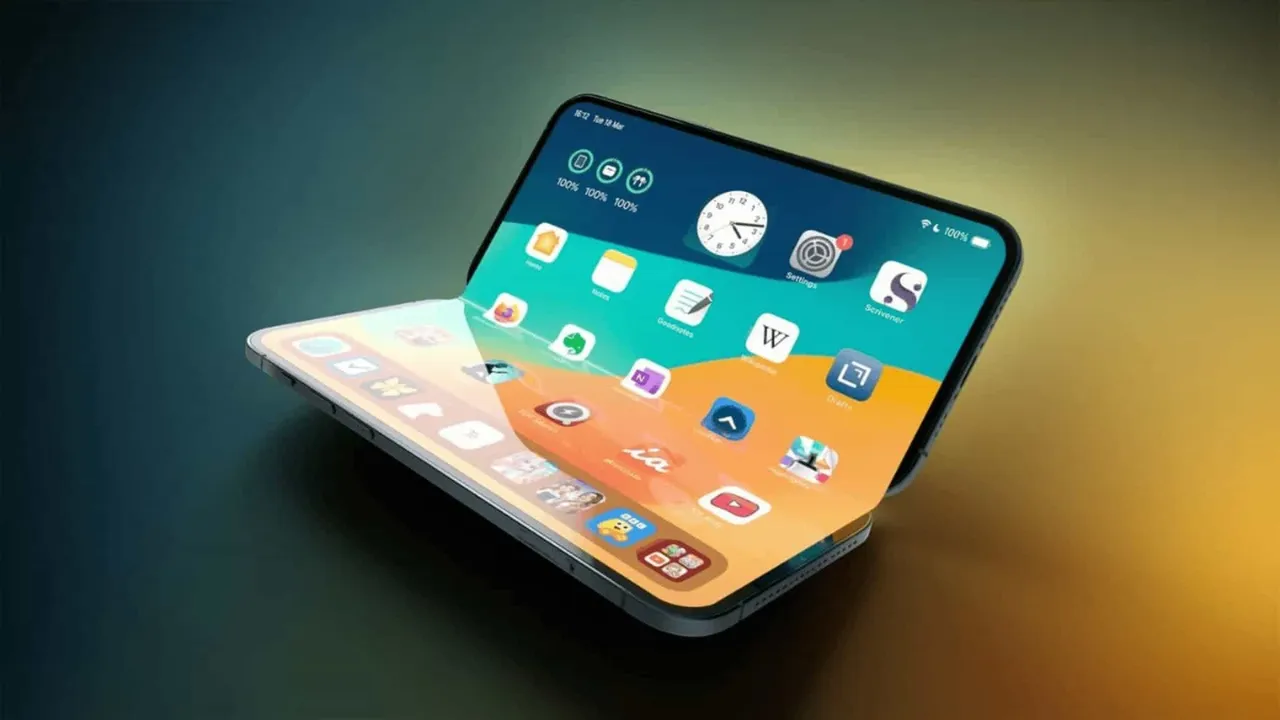
Summary
- Samsung Display has signed a three-year exclusive agreement to supply foldable OLED panels for Apple's foldable iPhone — a deal Samsung Display itself proposed and Apple accepted.
- Apple's initial panel order is now confirmed at approximately 11 million units, well above the 6 to 8 million units the industry originally anticipated.
- The panels will use Color Filter on Encapsulation (CoE) technology to eliminate polarizers, reducing the risk of cracks and improving brightness in the fold zone.
- Proven, validated OLED light-emitting materials will be used — not new, unvetted compounds — ensuring production reliability and cost predictability.
- The launch window remains contested: Bloomberg expects a September debut alongside iPhone 18, while Nikkei Asia warns of potential delays from engineering hurdles.
Apple, a company that notoriously despises supplier dependency, has handed Samsung Display a three-year exclusive contract to produce the foldable OLED panels. Samsung Display reportedly pushed for this arrangement. Apple agreed. That's not a small detail — it tells you everything about where the technology currently stands and who actually holds the cards.
Why Samsung? Because Nobody Else Could Do It
BOE tried. Didn't make the cut. LG Display doesn't have a proven foldable track record. So here we are: Samsung Display, the same company whose parent division directly competes with the iPhone, is now Apple's only viable option for this component. Awkward? Sure. But business is business.
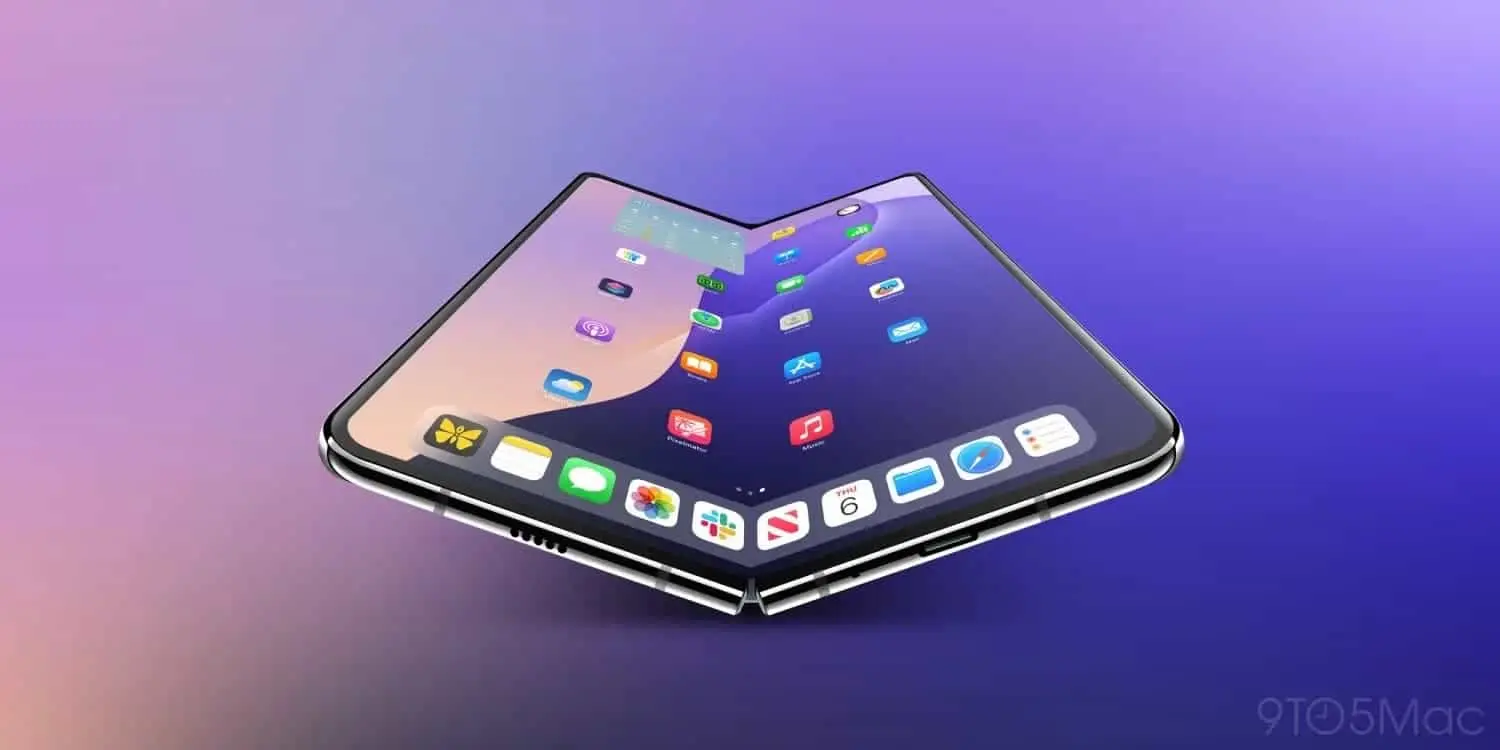
The panels will incorporate CoE — Color Filter on Encapsulation — technology. This isn't new; Samsung already deploys it across its Galaxy Z series. What it does is remove the polarizer layer entirely and integrate color filters directly into the encapsulation structure. Practically speaking, that means less material in the fold zone, which translates to fewer cracks and better brightness. Smart engineering. Not glamorous, but the kind of decision that stops your $2,000 phone from failing six months in.

11 Million Units and a Launch Window Nobody Agrees On
Here's where it gets interesting. Early estimates projected Apple would order somewhere between 6 and 8 million panels for year one — cautious numbers for a first-gen product in a still-maturing category. The actual figure now sits around 11 million units. That's a 30-plus percent jump over initial industry expectations, and it suggests Apple is betting more heavily on consumer demand than the market anticipated.
The OLED materials themselves won't be cutting-edge. Proven, optimized compounds already stress-tested in production will power these panels. Is it the most exciting approach? I suppose not. But it keeps yields high and costs predictable — which, frankly, matters more in year one than being first to use something experimental.
As for when you'll actually buy one — nobody fully agrees. Bloomberg holds firm on September, tied to the iPhone 18 cycle. Nikkei Asia isn't so sure, pointing to engineering test complications that could push the timeline to December or beyond. Both outlets have strong track records. Pick your preferred anxiety.
The Bigger Strategic Picture
Apple paying roughly $250 per foldable display — more than Samsung charges itself for Galaxy Z panels — isn't a quirk. It's the cost of exclusivity, technological maturity, and the absence of real competition. Samsung Display knows it. Apple knows it too.
loading
Popular News


Latest News
Loading