Huawei Kirin 9050 Leaks: First Chip to Break 3GHz, Powering Mate 90 in September
HuaweiSaturday, 23 May 2026 at 13:02
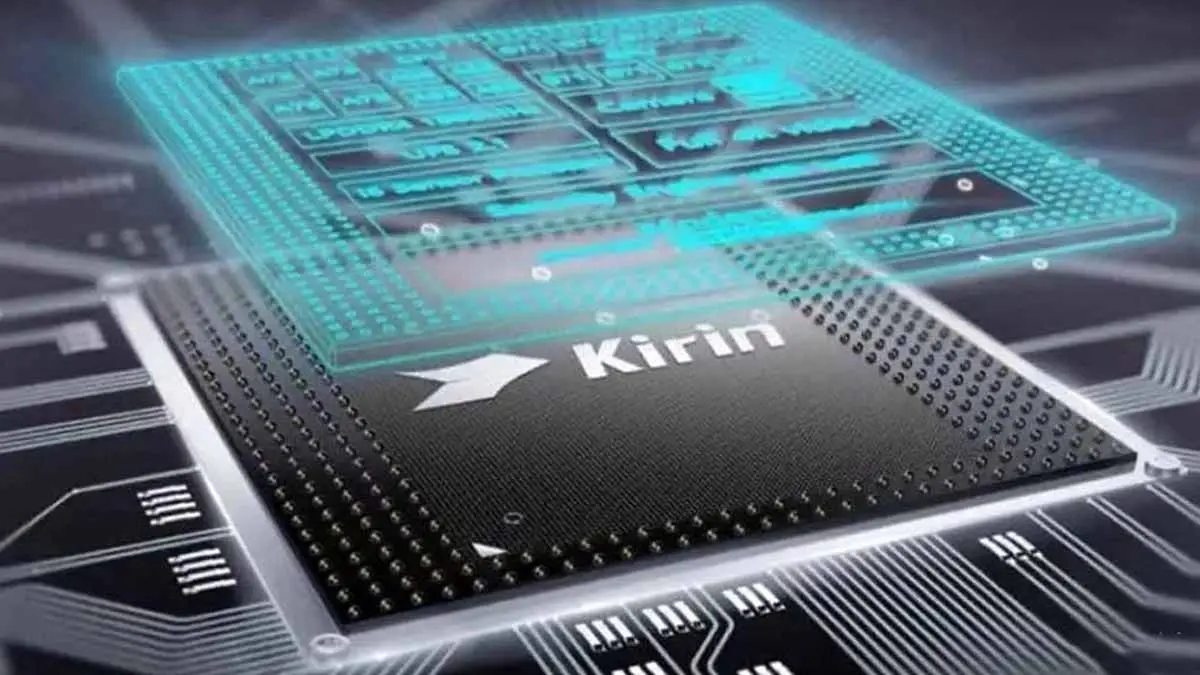
Huawei is skipping the Kirin 9040 entirely. The next-generation chip is called Kirin 9050, and its first detailed specs are emerging from tipsters including Weibo insiders Superdimensional and Guo Jing. The Mate 90 series — now expected in September rather than October — will be the first devices to carry it.
HarmonyOS 7 launches alongside it. The dual periscope telephoto on the Pro Max hits 10x lossless optical zoom.

Key Points
- Kirin 9050 confirmed as the Mate 90 series chipset — Huawei bypassed the rumoured Kirin 9040 entirely, jumping straight to the 9050
- First Kirin chip to exceed 3GHz — 1+3+4 core layout at 3.4GHz primary, 2.8GHz performance, 2.1GHz efficiency — transistor density up approximately 40% over previous generation
- Equivalent to 3nm process technology — next-generation packaging improves thermal management specifically to sustain the higher clock speeds
- Mate 90 series launch moved up to September 2026 — four models confirmed: standard, Pro, Pro Max, and RS Master Edition, all debuting with Kirin 9050
- Mate 90 Pro Max gets dual periscope telephoto with 10x lossless optical zoom — HarmonyOS 7 ships across the full Mate 90 lineup

3GHz — Why It Matters for Huawei Specifically
Huawei's Kirin chips have operated under a significant constraint since US sanctions cut off access to TSMC's most advanced nodes. The Kirin 9020 series — which powers the Mate 70 Air and Mate 80 — made remarkable progress despite those limitations, but clock speeds remained below 3GHz. The 9050 breaking that ceiling is a milestone that signals Huawei's domestic chip manufacturing has matured to a genuinely competitive level.
Insider Guo Jing — who accurately predicted the return of proprietary 5G modems to Kirin chips and correctly called the Mate 70's timeline — credits next-generation packaging technology as the key advancement. Better packaging enables more aggressive clock speeds while managing the heat those speeds generate. The 40% transistor density increase compounds the performance gain by fitting more compute into the same physical space.

The Pro Max Camera Is the Imaging Story
The Mate 80 RS Extraordinary Master already used a dual telephoto configuration — a 50MP 4x optical macro lens and a 50MP 6.2x ultra-long focal length lens. The Mate 90 Pro Max pushes that further with a newly developed dual periscope telephoto system delivering 10x lossless optical zoom.
Ten times lossless optical zoom on a compact flagship chassis requires a periscope that bends the optical path significantly further than standard telephoto designs. Achieving that without the lens system dominating the device's thickness is the engineering challenge Huawei is claiming to have solved.
Huawei's RYYB sensor tradition — replacing green pixels in the RGB array with yellow to capture more light — is expected to continue on the 9050-powered lineup, further strengthening low-light performance at extreme zoom ranges.
September Instead of October — Why the Move Matters
Huawei's traditional Mate launch window has been October or November. Pulling the Mate 90 to September puts it ahead of Apple's anticipated iPhone 18 Pro launch and Samsung's continued foldable momentum. It also gives Huawei's retail channel more of the year's strongest consumer spending period before Christmas.
The Mate XT 2 tri-fold — carrying the Kirin 9050 Pro variant — is expected to debut alongside the Mate 90 series on the same stage. That positions September as Huawei's most significant product event since the original Mate XT launch in 2024.
HarmonyOS 7 shipping with the Mate 90 lineup is the software headline. Each major Kirin generation has arrived with a corresponding HarmonyOS iteration — the 9050 and HarmonyOS 7 deepening that co-optimisation continues the pattern.
Popular News


Latest News
Loading