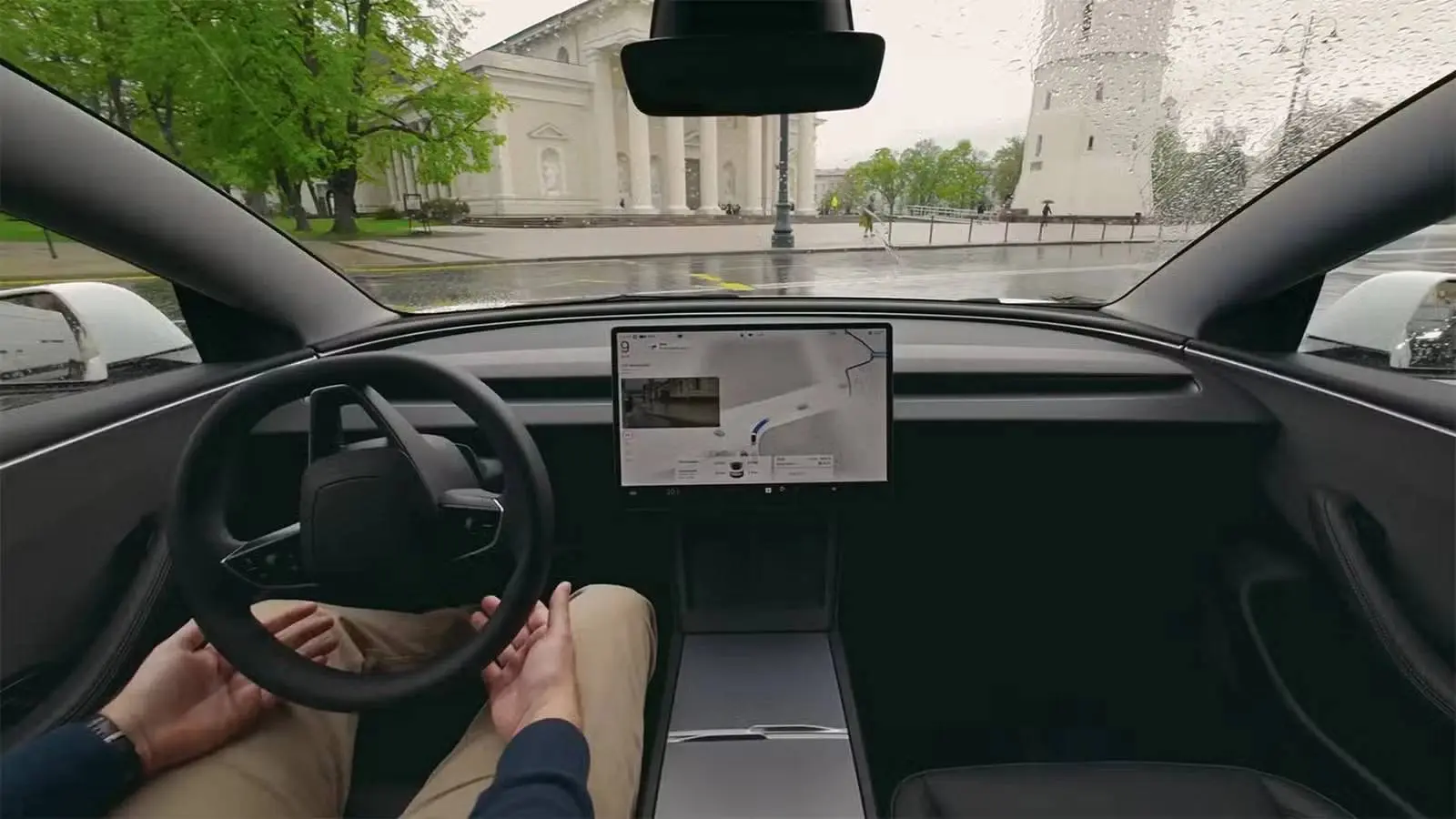
Tesla has officially launched its Full Self-Driving software in the Chinese market. This long-awaited move sets up a massive showdown. The American EV giant is going head-to-head with China's top domestic automakers. For years, local brands have developed their own advanced driver assistance systems. They enjoyed a clear home-field advantage on China's busy roads. Now, Tesla is jumping directly into this highly competitive arena. The big question is whether local tech can beat Tesla's famous vision-based neural network.

Summary
- Tesla launched its advanced driver software package in mainland China.
- The system is officially named Tesla Assisted Driving to meet local rules.
- Ten Chinese owners filed a lawsuit over older hardware support issues.
- Domestic rivals rely on complex hardware setups that feature advanced LiDAR.
- Tesla uses a unique, camera-only setup with local data processing.
Local networks have a massive street-level edge
Many experts predicted that local car brands would struggle against Tesla's software, but current market facts show the exact opposite. Chinese EV companies are already highly advanced in the field of smart driving. Brands like Xpeng, Xiaomi, and Huawei have deployed highly capable urban pilot programs across dozens of major hubs. These smart networks have successfully navigated complex public streets for several seasons.
Domestic driving software excels at handling the chaotic and dense traffic patterns found in giant Chinese cities. Local systems are trained on regional driving habits. They easily manage massive crowds of electric scooters, aggressive lane cutters, and multi-layered highway intersections. Because of this deep experience, local brands already give buyers a smooth, point-to-point urban driving experience.
The big design split: Cameras vs tracking sensors
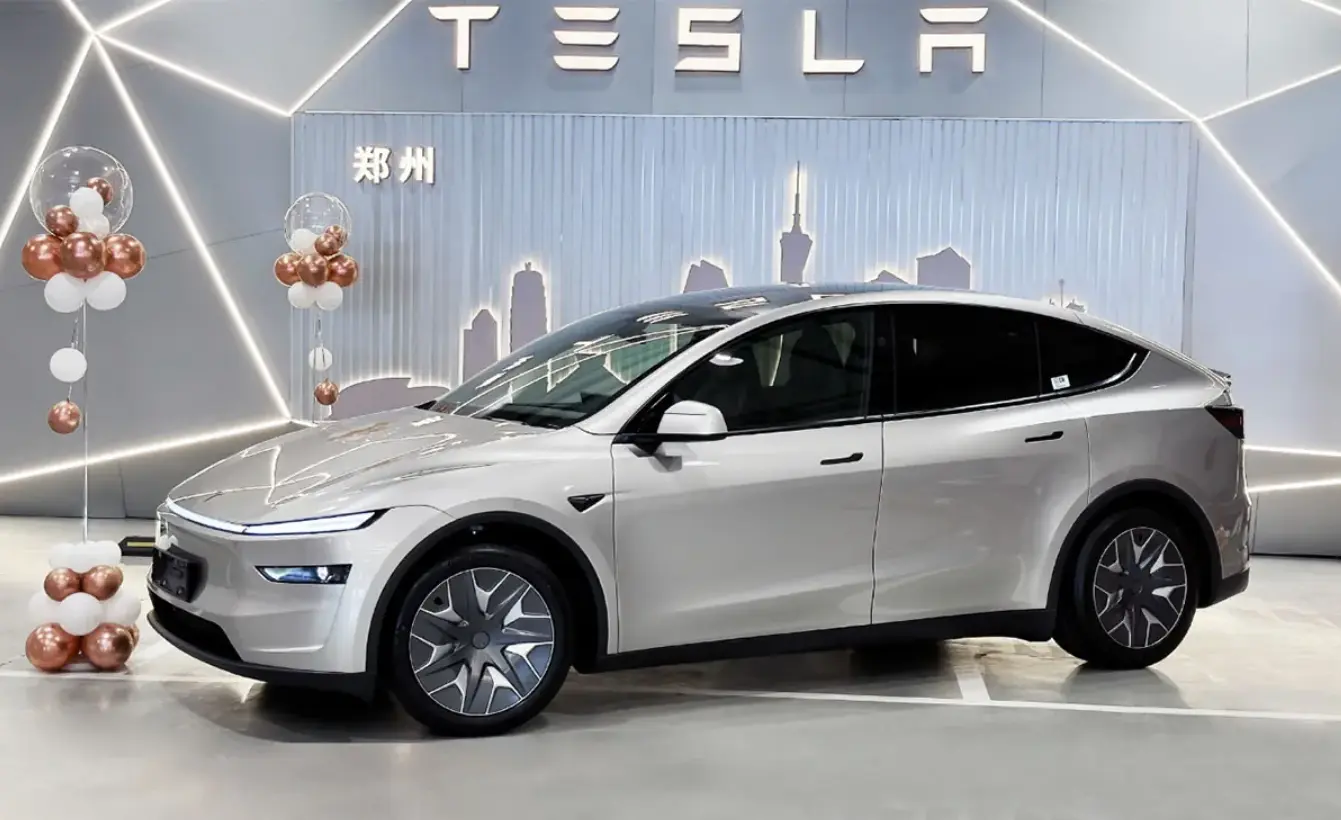
The arrival of Tesla highlights a massive split in engineering ideas between American and Chinese autonomous design teams. Tesla uses a strict camera-only approach. It relies entirely on video lenses and a deep neural network to read the surrounding road. To follow regional laws, Tesla built a massive local data hub in Shanghai. This center processes and stores all regional driver information safely inside the country.

On the other side, Chinese domestic car makers use a heavy hardware combination to ensure absolute safety. Most top-tier Chinese electric vehicles utilize a dense cluster of physical sensors. This hardware setup includes:
- Multiple high-resolution cameras
- Long-range LiDAR tracking laser units
- Smart millimeter-wave radar arrays
- High-compute local processors like the Nvidia Drive Orin chip
This mixed hardware layout gives local vehicles excellent depth perception. It provides highly accurate tracking data even during bad rainstorms or thick fog. In these tough conditions, pure camera systems often struggle to see clearly.
Facing regulatory rules and brand changes
Succeeding in the massive Chinese car market forced Tesla to clear severe data privacy hurdles. Foreign firms cannot map Chinese streets alone. To fix this issue, Tesla partnered with local tech leader Baidu to use its approved, highly detailed mapping data.

Tesla also had to rename its software to follow regional consumer rules. The company dropped the Full Self-Driving title in China. It now uses the name Tesla Assisted Driving. This change makes it very clear that the software still requires full human attention at Level 2. At the same time, ten local owners launched a major lawsuit in a Beijing court. They claim Tesla promised self-driving features years ago but locked out older hardware models from the current rollout. The next few months will show if Tesla's smart cameras can win against the sensor-heavy systems of China's top EV brands.
Popular News
Latest News
Loading