Testing the new Xiaomi 17 Ultra over the last week has been a bit of an emotional rollercoaster. On one hand, you’re holding what is arguably the most sophisticated piece of mobile imaging hardware ever conceived. On the other, you’re occasionally shouting at a notification shade that refuses to behave. It is a device of immense highs and some truly head-scratching lows.
If you’ve followed the "Ultra" trajectory, you know the drill. Xiaomi throws everything—including the kitchen sink and a Leica-tuned lens—into a chassis and hopes it sticks. This year, the formula feels more refined in the hand, but the soul of the machine, the software, feels like it’s still stuck in a previous era of mobile design.

A Design That Finally Greets the Mainstream
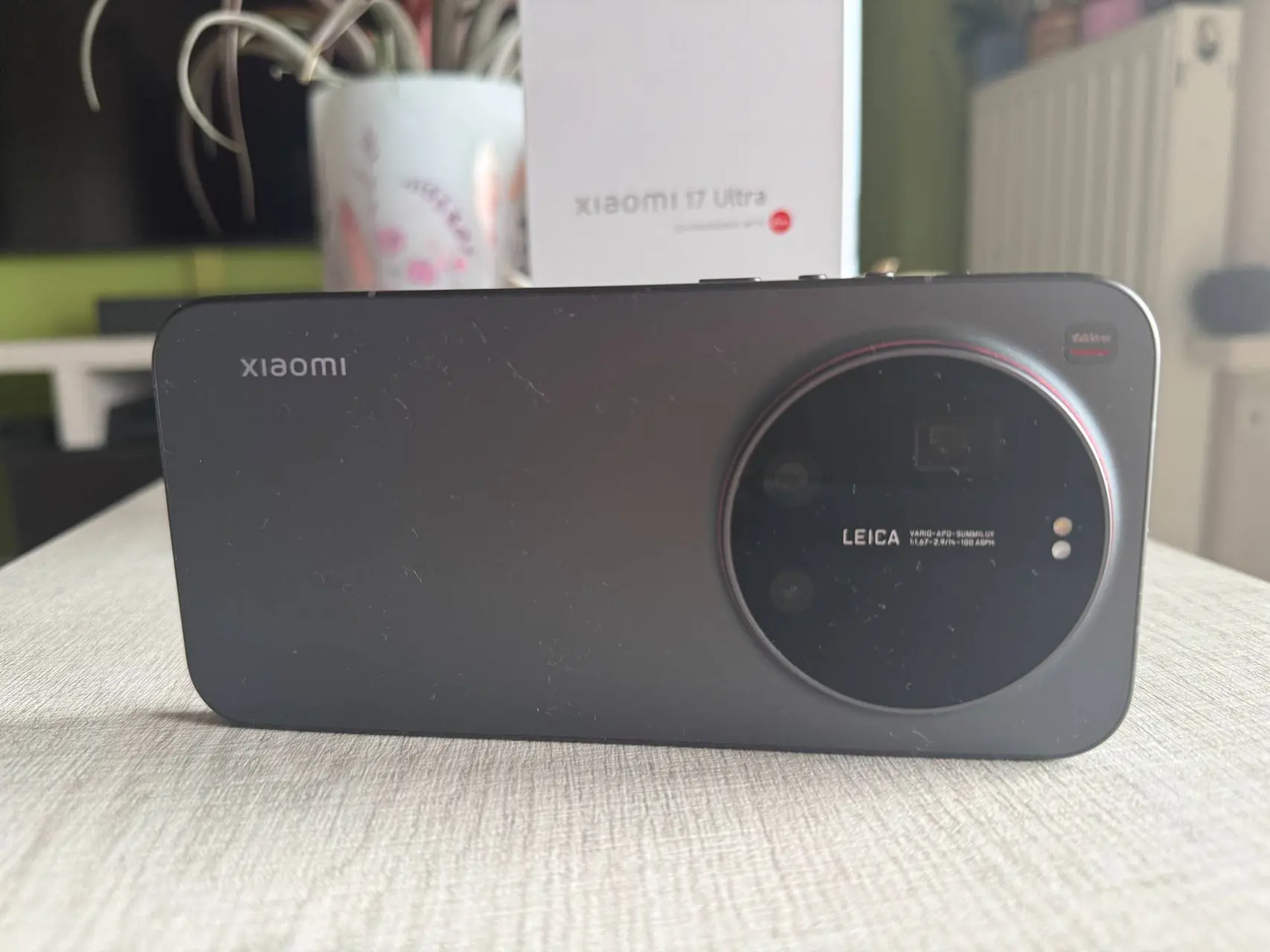
I’ll be honest: I wasn't a huge fan of the Xiaomi 15 Ultra’s "I’m a vintage camera" aesthetic. It felt a bit try-hard. The 17 Ultra, however, pivots toward a much sleeker, more balanced language. The flat aluminum frame and the symmetrical glass panels give it a gravity that feels expensive. It reminds me of the Oppo Find X8 Ultra, which isn't a bad thing at all.

What I actually love—and this sounds trivial until you use it—are the volume buttons. They are round, etched with little plus and minus signs, and feel incredibly tactile. It’s a small nod to the iPhone 4 days, and perhaps I’m being nostalgic, but finding them in a dark pocket is so much easier than fumbling with a standard rocker.

The device is heavy, hovering around 224 grams, but it doesn't feel like it’s going to tip out of your hand. Xiaomi managed to balance the internal components well enough that the massive camera island doesn't make the top feel like a lead weight.

That Display: Brightness That Bites
The 6.9-inch OLED panel is, in a word, piercing. With a peak brightness of 3,500 nits, I found myself squinting less in the harsh midday sun and more because the white backgrounds in my office were actually too bright.

However, there’s a catch. Out of the box, the color calibration feels a bit "cold." Whites have a distinct blue tint that I had to immediately dive into the settings to fix. It’s an easy tweak, but at this price point, you kind of expect the engineers to have nailed the white balance before shipping it out. I also found myself missing the anti-reflective coating found on the S26 Ultra; the glare on the 17 Ultra is definitely more noticeable when you're outdoors.

The Vario Camera: A Double-Edged Sword
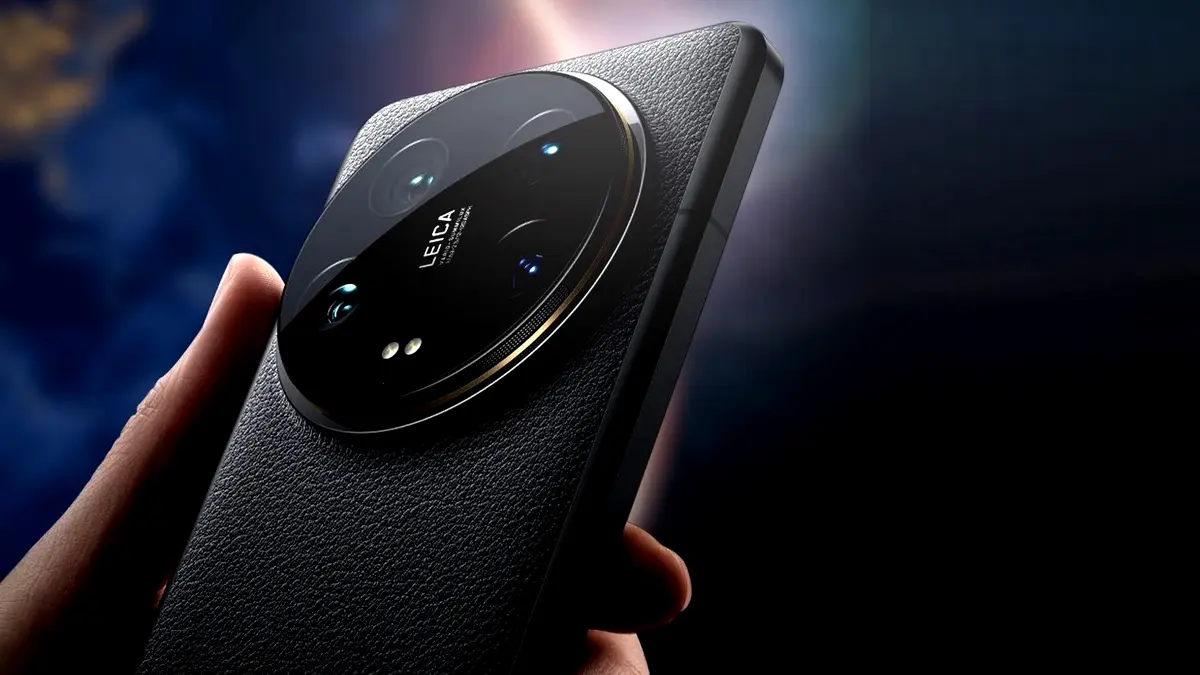
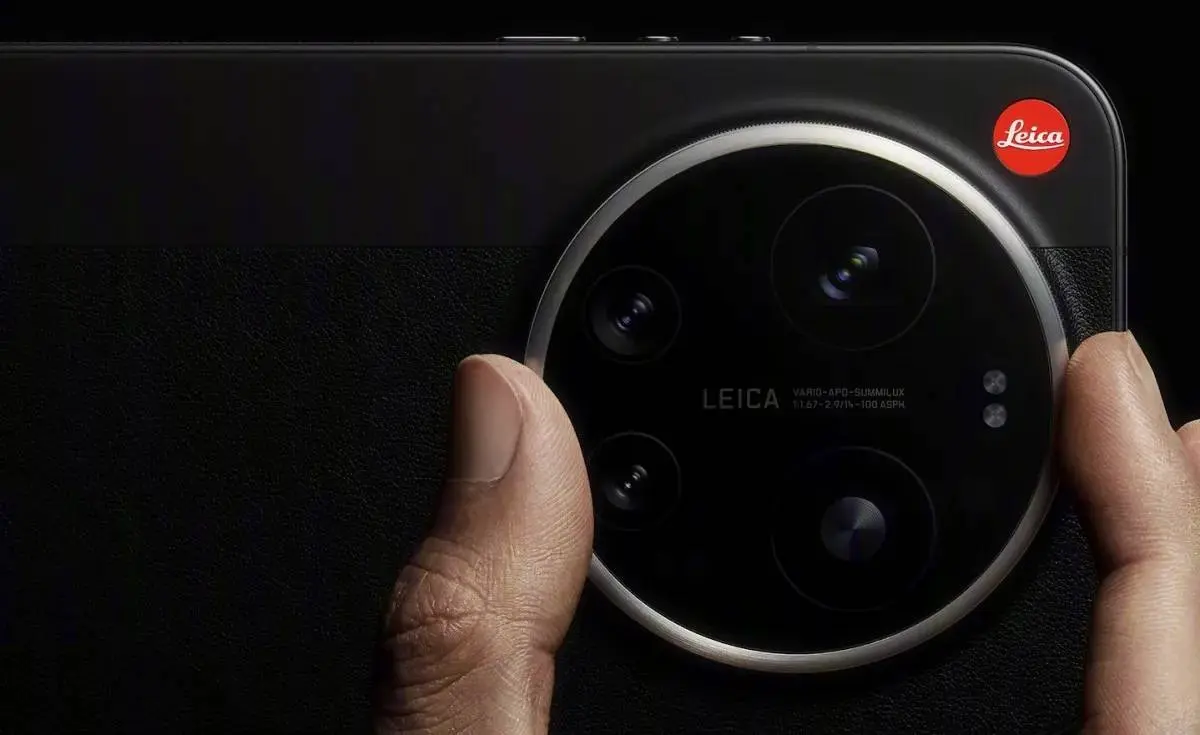
The headline feature is the 200 MP periscope camera with a variable 75-100 mm focal range. In theory, this replaces the need for two separate zoom lenses. In practice? It’s complicated.
Between 3x and 4x zoom, the images are breathtaking. The 1.0-type main sensor also does some heavy lifting here, providing a natural bokeh (that blurred background look) that software just can't replicate perfectly. Taking a photo of a coffee cup or a pet results in a depth of field that looks like it came from a "real" camera.
But I noticed something odd. When pushed to the 100mm limit, the 17 Ultra actually feels a hair softer than the 15 Ultra. It’s almost as if the mechanical complexity of the variable lens introduces a tiny bit of compromise. Most users won't notice, but if you’re a pixel-peeper who crops into every shot, you might feel a pang of longing for the fixed prime lenses of yesteryear.
The 50 MP selfie camera is a genuine upgrade, though. My face looked less like a smoothed-out wax figure and more like a human being with actual skin texture. If you’re into social media, this is probably the best front-facer Xiaomi has ever put out.

Performance and the Heat Paradox
Inside is the Snapdragon 8 Elite Gen 5. It’s fast. Like, "I forgot I had twenty apps open" fast. In daily use, everything is instantaneous. Gaming is a breeze, too. I ran some heavy sessions of Genshin Impact and Zenless Zone Zero, and while the phone got warm, it never became a hand-warmer.
Xiaomi claims their new vapor chamber improves thermal conductivity by 50%. I usually roll my eyes at these marketing percentages, but the 17 Ultra actually passed the 3DMark stress test without shutting down—something its predecessor struggled with. It’s a powerhouse, plain and simple.
The HyperOS Hurdle
Now we have to talk about the elephant in the room: HyperOS 3. Based on Android 16, it should be the pinnacle of Xiaomi’s software efforts. Instead, it feels... unfinished.

The biggest gripe? It completely ignores Android’s "Material You" theming. On a Pixel or a Samsung, if you set a green wallpaper, your keyboard and menus turn a subtle shade of green. On the 17 Ultra, nothing happens unless you reboot the phone. Even then, you have no control over the accent colors.
The interface is also riddled with several odd choices The settings menu is organized in a way that feels counter-intuitive, and the constant pushing of the "Theme Store" feels a bit desperate for a flagship device. It’s not that it’s unusable—it’s just that it feels less like a polished tool and more like a collection of ideas that haven't been fully reconciled.

Battery Life: The 6,800 mAh Reality
The battery is massive, yet I find myself wanting just a little more. We are entering an era where 7,000+ mAh batteries are becoming the standard for Chinese flagships. The 17 Ultra easily lasts a full day, even with heavy camera use and 5G browsing. I averaged about 22 hours in our web browsing test, which is stellar.
However, if you're a power user who records a lot of 4K video, you'll still be looking for a charger by 9:00 PM. On that note, the downgrade to 50W wireless charging (from the 80W on the previous model) is a bit of a letdown. It’s still fast, but why go backward?
The Verdict: A Cautious Thumbs Up
The Xiaomi 17 Ultra is a hardware masterpiece that is currently being held back by its own software. If you want the absolute best camera hardware and a screen that can rival the sun, this is it. But you have to be willing to live with an operating system that occasionally feels like it’s fighting you.

I think most people will love the photos they take with this phone so much that they’ll forgive the software quirks. Just maybe try to hold one in a store first to see if you can handle the "HyperOS" lifestyle.
Popular News
Latest News
Loading