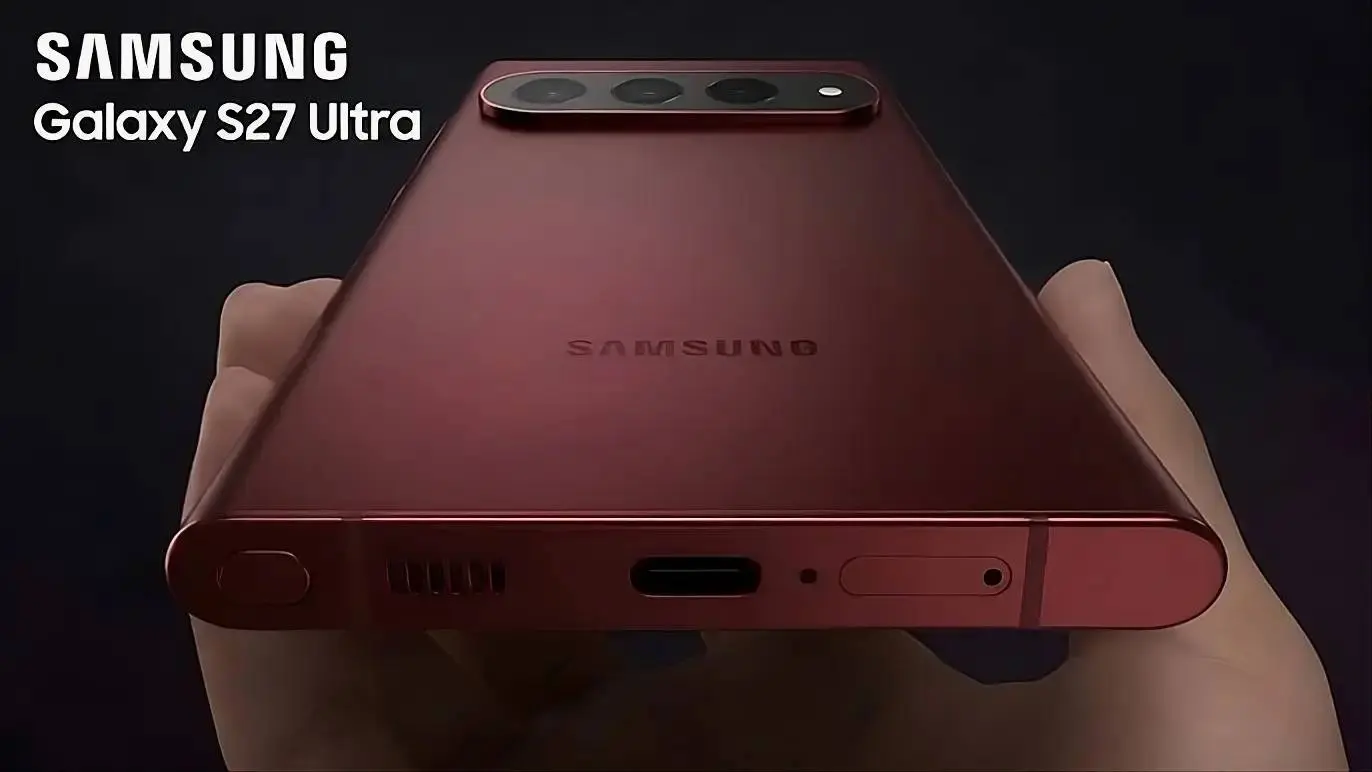
Ice Universe posted a concept render. The internet argued about Pixel phones. Everyone missed the actual story.
Summary
- Leaker Ice Universe shared concept renders on April 29, 2026 showing the Samsung Galaxy S27 Ultra with a horizontal pillbox-shaped camera bar replacing the vertical island that has defined Galaxy S flagships since the S21 Ultra — the most significant rear design change in six years.
- The redesign is engineering-driven, not aesthetic: Samsung needs to integrate built-in Qi2 magnets for native MagSafe-style wireless charging, and the current vertical camera placement physically blocks the internal space required for copper coils and magnet rings.
- Samsung attempted to include magnets in the Galaxy S26 series and failed — the S27 is the next attempt, though rising component costs could again push the feature to the Galaxy S28 depending on market conditions.
- The Galaxy S27 Ultra is also expected to drop its 3x telephoto lens entirely, relying on the 200MP main sensor's cropping capability for 3x zoom — a decision that simplifies the camera system but will divide users who value optical zoom at that range.
- The S27 lineup expands to four models: Galaxy S27, S27 Plus, S27 Pro (Ultra hardware minus S Pen, smaller form factor), and S27 Ultra — with a January or February 2027 expected launch.

"Samsung's horizontal camera redesign isn't a style choice — it's a structural necessity. The vertical camera island physically blocks the space needed for built-in Qi2 magnetic coils, and Samsung has been trying to solve this problem since the Galaxy S26 development cycle."
Why the Camera Is Moving
The horizontal layout change is cleaner in the renders and draws immediate Pixel comparisons. But the reason it's being considered is entirely functional. Integrating native Qi2 magnets — the standard that enables MagSafe-style accessories without a special case — requires copper charging coils and a ring of magnets positioned around the rear center of the phone. Samsung's current vertical camera island sits precisely where those components need to go.
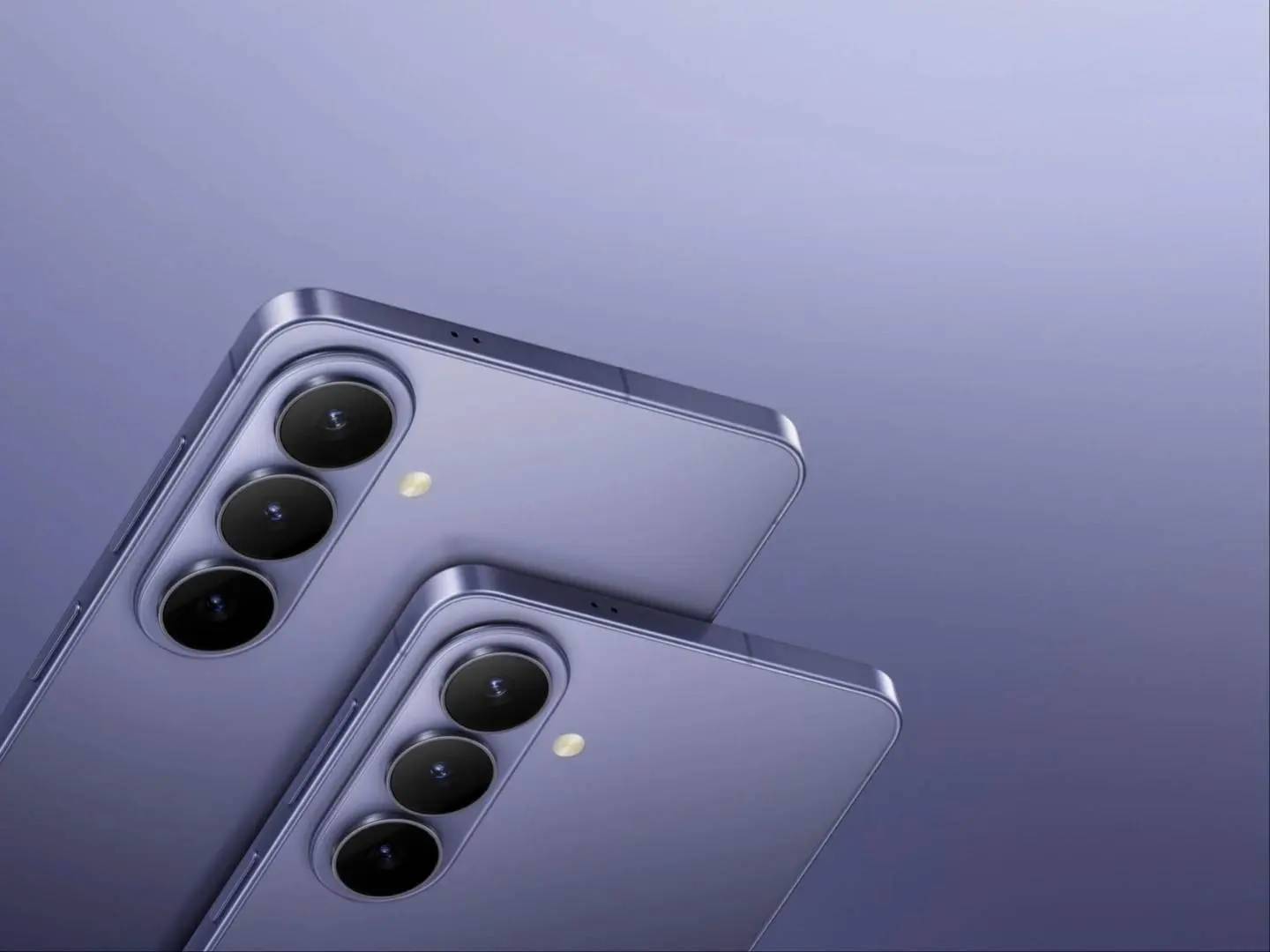
Moving the cameras to a horizontal bar across the top of the rear panel clears that central zone. It's the same spatial logic that drove iPhone's camera placement decisions. Samsung is not following Apple aesthetically; both companies are solving the same geometry problem. The distinction matters because it sets expectations: this change is more likely to stick if it works than if it was merely a design refresh.
The 3x Telephoto Removal Is More Controversial
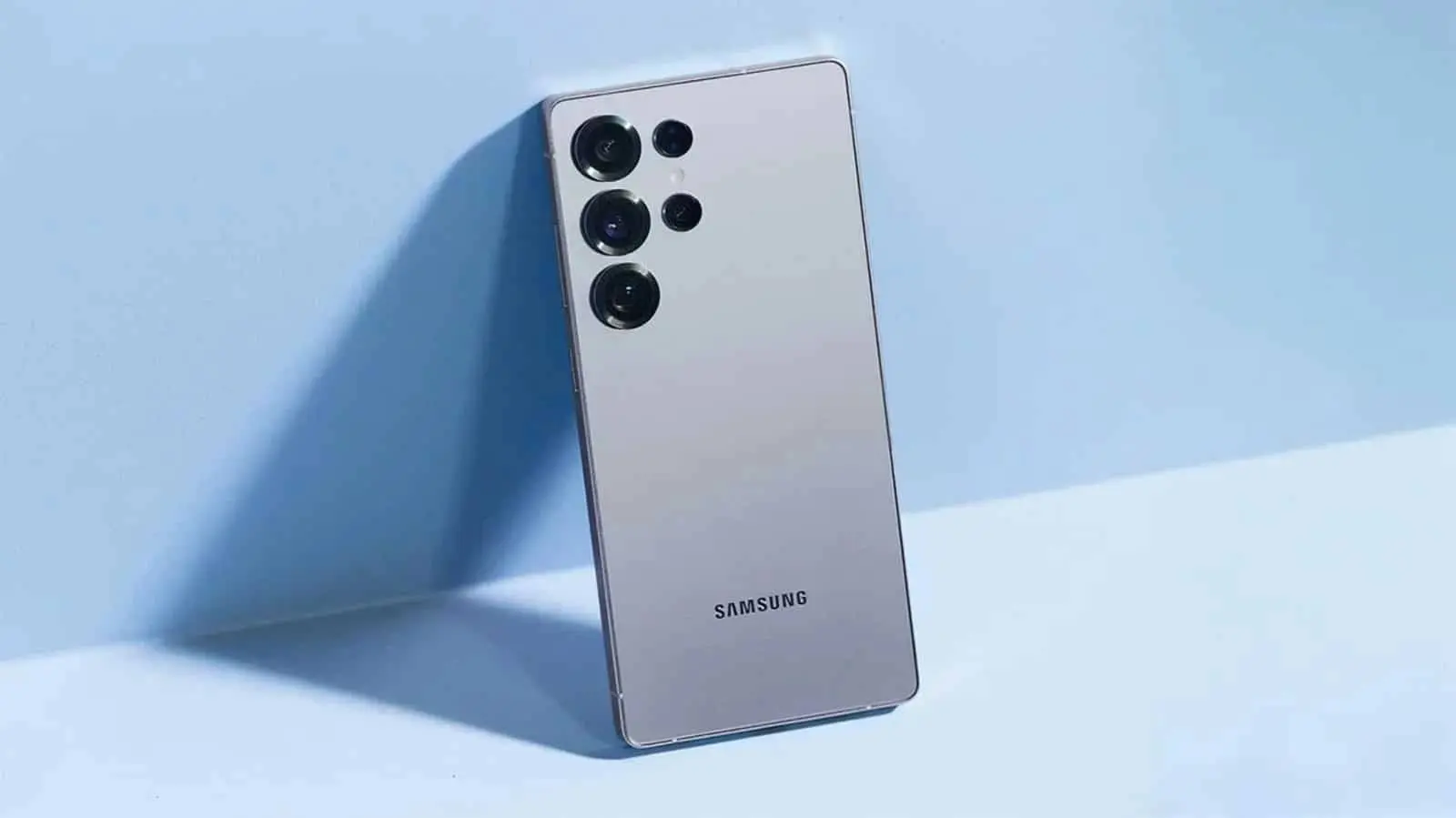
The Galaxy S26 Ultra carries a 3x telephoto, 5x periscope, and 200MP main camera. The S27 Ultra appears set to drop the 3x lens entirely, leaving a two-telephoto setup: the 200MP main and the 5x periscope. The 200MP sensor's high resolution allows meaningful 3x zoom through cropping — but it isn't optical zoom. In good light, the quality is close. In low light, the gap widens. Users who regularly shoot at 3x in varied conditions will notice the difference. Samsung is betting that most won't.
Battery, Silicon Carbon, and the New Pro Model
Silicon-carbon battery chemistry is expected across the S27 series, with Samsung reportedly testing cell capacities ranging from 12,000mAh to significantly higher configurations — far beyond what any current Galaxy ships with. These figures likely refer to different form factors being evaluated rather than a single production target. The new Galaxy S27 Pro slots between the Plus and Ultra, offering Ultra-tier hardware in a slightly smaller body without the S Pen — addressing buyers who want maximum performance but find the Ultra's size and stylus commitment unnecessary.
Popular News


Latest News
Loading