Samsung Galaxy S27 Ultra Early Leaks: LOFIC Sensor, 5,500mAh Battery and a Camera That's Four Years Late
SamsungMonday, 27 April 2026 at 08:44
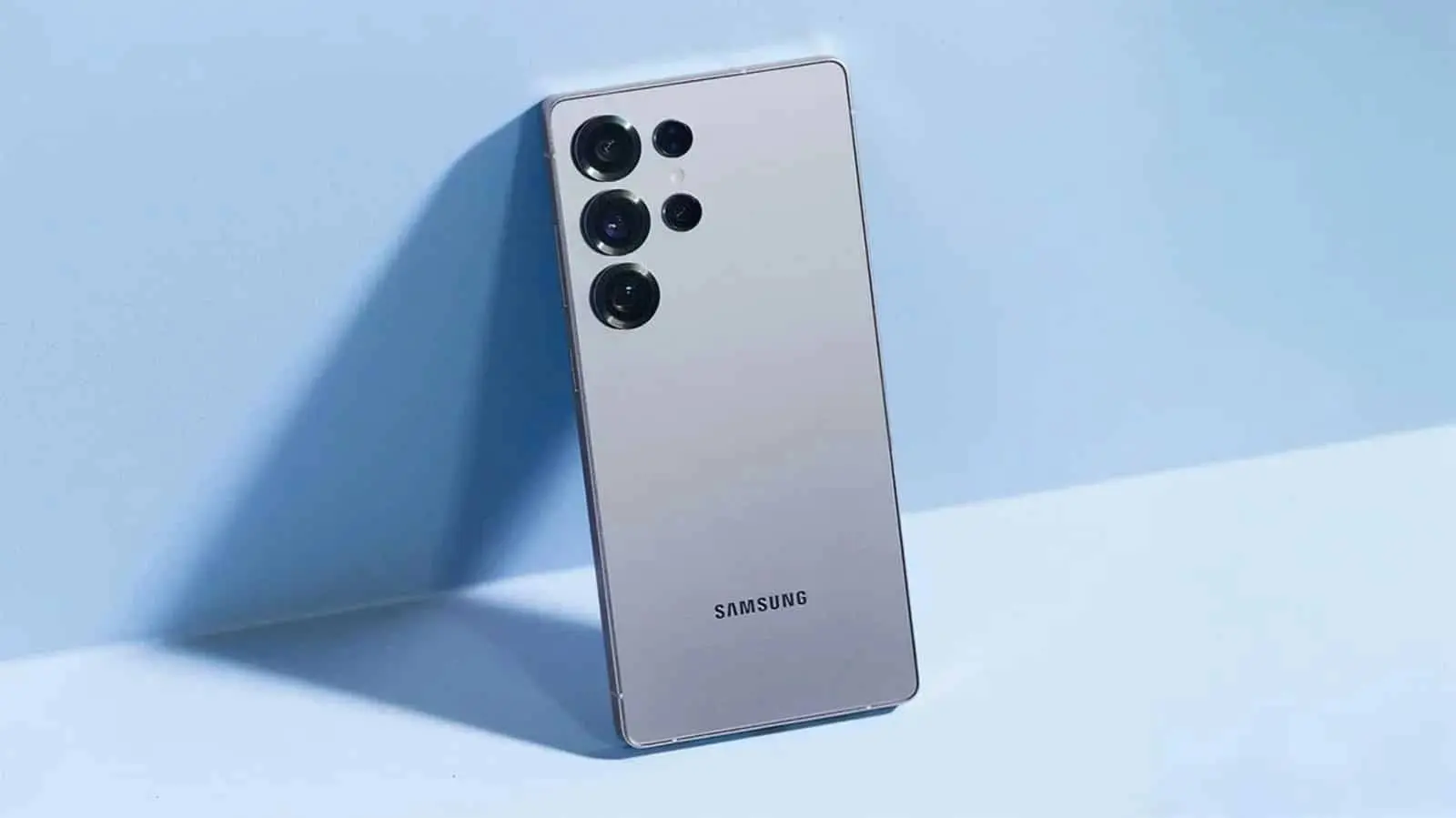
The Galaxy S26 Ultra launched in March 2026 to strong sales and warranted praise for its Privacy Display. Its camera hardware, however, was another aperture improvement bolted onto the same sensor Samsung has been shipping since the S23 Ultra. Critics noticed. Chinese OEMs have been normalizing 1-inch sensors and 200MP periscope systems for two generations. Samsung kept the same 1/1.3-inch format and called it progress. The S27 Ultra leaks suggest that finally changes in 2027.

Summary
- ISOCELL HP6 as primary sensor: Ice Universe confirmed a new 200MP sensor — the ISOCELL S5KHP6 — for the S27 Ultra, incorporating LOFIC technology for dramatically improved dynamic range. It maintains the 1/1.3-inch physical format but with new internal architecture.
- ISOCELL HPA at 1/1.12-inch: Digital Chat Station separately leaked a larger flagship sensor — 200MP, 1/1.12-inch, LOFIC — expected to be released in 2027 and exclusive to top-tier models. Ice Universe confirmed the HP6 is a version of this HPA.
- Three cameras upgraded: Main, ultra-wide, and front-facing selfie cameras are all tipped for replacement. The telephoto is expected to remain unchanged.
- Snapdragon 8 Elite Gen 6 (2nm) and 5,500mAh silicon-carbon battery: Both confirmed by multiple credible sources, representing a step up from the S26 Ultra's 5,000mAh cell and Snapdragon 8 Elite Gen 5.
- Early 2027 launch expected: Samsung has imposed internal communication restrictions specifically to throttle S27 leaks following the pre-launch deluge that preceded the S26 series.
The Camera: Why the HP6 Matters More Than the Megapixel Count
The number is the same — 200MP. The sensor is not. The ISOCELL HP6 is the first meaningful primary camera hardware change Samsung has made to the Ultra lineup since the S23 Ultra arrived in 2023. What makes the HP6 different isn't its resolution. It's LOFIC — Lateral Overflow Integration Capacitor — technology, which captures highlight detail that would otherwise be clipped in high-contrast scenes by routing overflow electrons into a dedicated capacitor rather than discarding them. The result is what Samsung's internal documentation reportedly describes as "single-exposure HDR" — capturing a full dynamic range scene without needing to merge multiple exposures in software.

The sensor size question is where things get nuanced. Digital Chat Station's ISOCELL HPA leak describes a 200MP sensor at 1/1.12 inches — meaningfully larger than the 1/1.3-inch format Samsung has used for four consecutive Ultra generations. Ice Universe clarified that the S27 Ultra's HP6 is a version of the HPA but maintains the 1/1.3-inch physical dimensions, relying on architectural improvements rather than a physical size increase to match the HPA's performance. It's a conservative but defensible engineering choice: LOFIC at 1/1.3-inch can theoretically match or exceed the dynamic range of a larger sensor without LOFIC support. The real-world test will come in 2027.
The Three Cameras Being Replaced
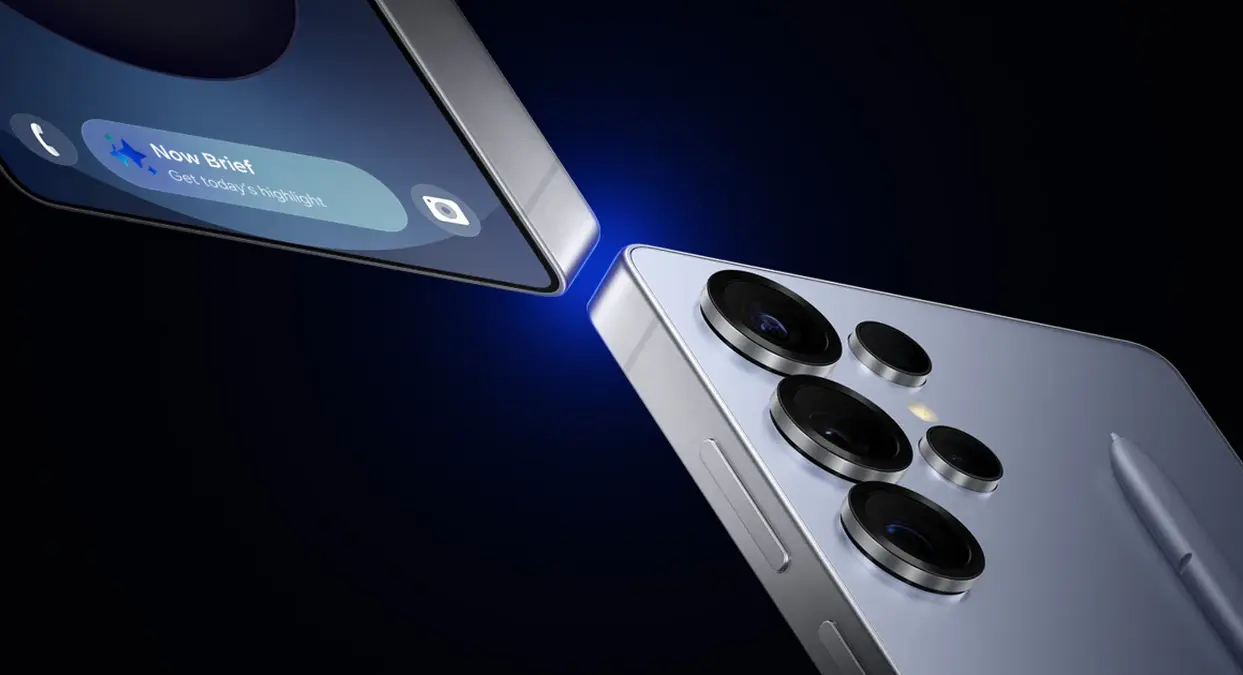
Ice Universe's January 2026 leak — posted shortly after the S26 Ultra launched — stated Samsung would replace the main sensor, ultra-wide, and front-facing selfie camera on the S27 Ultra. The telephoto is explicitly expected to remain unchanged. That's a curious decision. The S26 Ultra's telephoto already improved to f/2.9, and Samsung apparently believes the current periscope solution remains competitive. Whether that's accurate against what vivo, Xiaomi, and Oppo are building for the same 2027 window is an open question.
The front camera upgrade is the sleeper story. Ice Universe's broad claim of a "new selfie camera" aligns with multiple secondary sources pointing to a 24MP sensor — up from the current 12MP — with improved autofocus and a wider field of view. No sensor name has been confirmed.
Read also
The Chip and Battery: Confirmed Upgrades With Context
The Snapdragon 8 Elite Gen 6 on a 2nm process is confirmed by Digital Chat Station and corroborated independently by multiple secondary sources. This chip succeeds the Snapdragon 8 Elite Gen 5 that powers the S26 Ultra and is expected to carry LPDDR6 memory support — the same architecture discussed in the OnePlus 16 and Redmi K100 Pro Max leak ecosystems.
The battery upgrade is the one Samsung had to make. Five years at 5,000mAh while Chinese competitors pushed past 6,000mAh, then 7,000mAh, then 10,000mAh in some cases, was an increasingly difficult position to defend. The S27 Ultra is tipped for a 5,500mAh silicon-carbon cell — a 10% capacity increase that also benefits from silicon-carbon's higher energy density, meaning the physical cell size increases minimally or not at all. It won't catch up to Chinese endurance leaders, but it closes the gap enough to stop being the obvious point of attack.
Samsung's Leak Suppression — and Why It Won't Work
Samsung has reportedly implemented company-wide secure communication protocols specifically to throttle S27 leaks, banning forwarding, screenshotting, and copying of internal messages. The company watched the entire S26 Ultra get comprehensively leaked — specs, camera details, Privacy Display technology — without it meaningfully hurting sales. The S26 Ultra is tracking as one of Samsung's strongest-selling Ultra models in years. I suppose the leak suppression is more about principle than commercial urgency. Supply chain access is supply chain access, and tipsters with factory-level contacts don't need to screenshot internal Samsung chats.
Popular News


Latest News
Loading