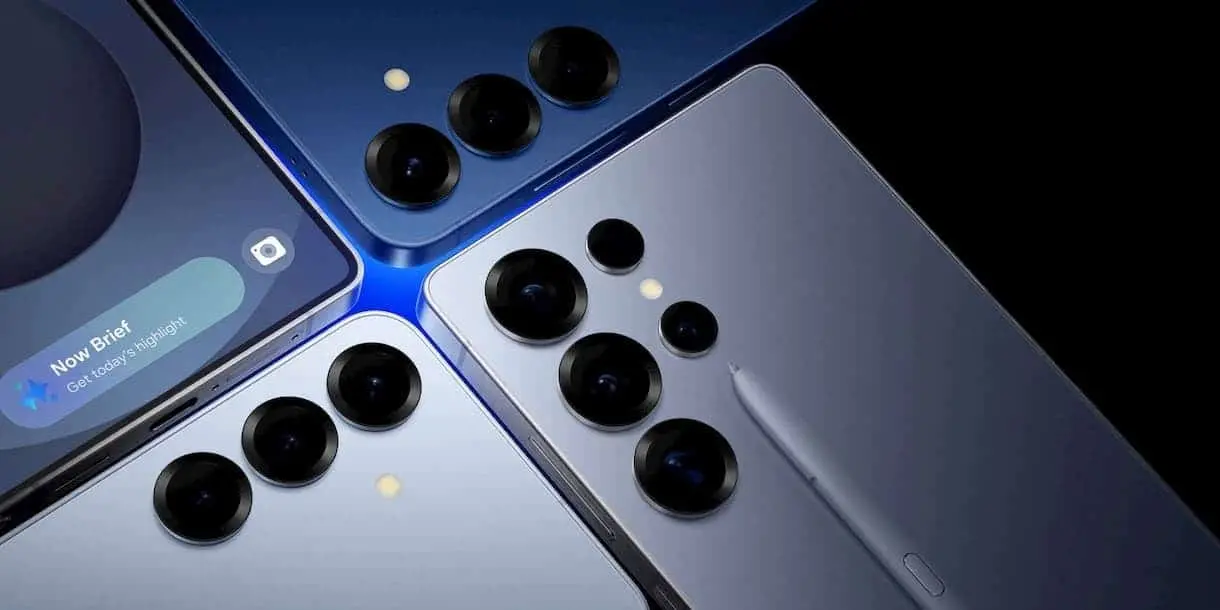
The smartphone market has been a battleground for years, with Samsung and Apple leading the charge. While both brands enjoy a loyal customer base and significant market shares, Samsung has consistently stayed ahead in total shipments. Over the past decade, the South Korean giant has shipped far more smartphones than its American rival, highlighting its expansive reach and diverse product lineup.

Samsung’s Shipment Lead Over Apple
According to IDC’s Worldwide Quarterly Mobile Phone Tracker, between 2014 and 2024, Samsung shipped around 3.1 billion smartphones, significantly outpacing Apple’s 2.3 billion units. That’s a difference of 800 million devices, a number large enough to supply every person in North America and much of Europe with a smartphone.
Annual Shipments: A Tale of Two Strategies
Even though Samsung remains ahead in total shipments, its annual sales have dropped by 30% over the last decade. In 2014, Samsung shipped 318.1 million smartphones, but by 2024, this number had fallen to 223.5 million. This decline is due to increased competition from Chinese brands and a shift toward premium devices like the Galaxy S and Z series.

Meanwhile, Apple has taken the opposite route. The iPhone’s annual shipments grew by 22% over ten years, rising from 169 million in 2014 to 207 million in 2024. Apple’s growth is fueled by strong brand loyalty, long-term software support, and expansion into emerging markets like India.
Market Share Shifts: Samsung Falls, Apple Rises
Despite their dominance, both Samsung and Apple have lost market share due to aggressive competition from Chinese brands like Xiaomi, Oppo, and Vivo. As of Q4 2024, Apple held a 23% market share, while Samsung stood at 16%. Over the decade, Samsung’s market share dropped by 5.8%, whereas Apple’s grew by 4.5%. This shift underlines how Apple’s ecosystem and customer retention strategies have helped it gain ground.
The Impact of Strategy and Competition
Samsung’s declining shipment numbers stem from its strategic focus on premium models, moving away from budget-friendly options. This opened the door for Chinese manufacturers to capture a bigger share in regions where Samsung once led. Meanwhile, Apple has capitalized on its strong ecosystem, extended software support, and premium positioning to grow its market share.
Final Thoughts
Over the last decade, Samsung has shipped 700 million more smartphones than Apple, proving its dominance in total sales. However, Apple has gained momentum in market share and annual shipments, while Samsung faces increasing competition from budget-friendly Chinese brands. As the smartphone landscape evolves, both tech giants will need to adapt their strategies to maintain their leadership positions in the industry.
Popular News

Latest News
Loading