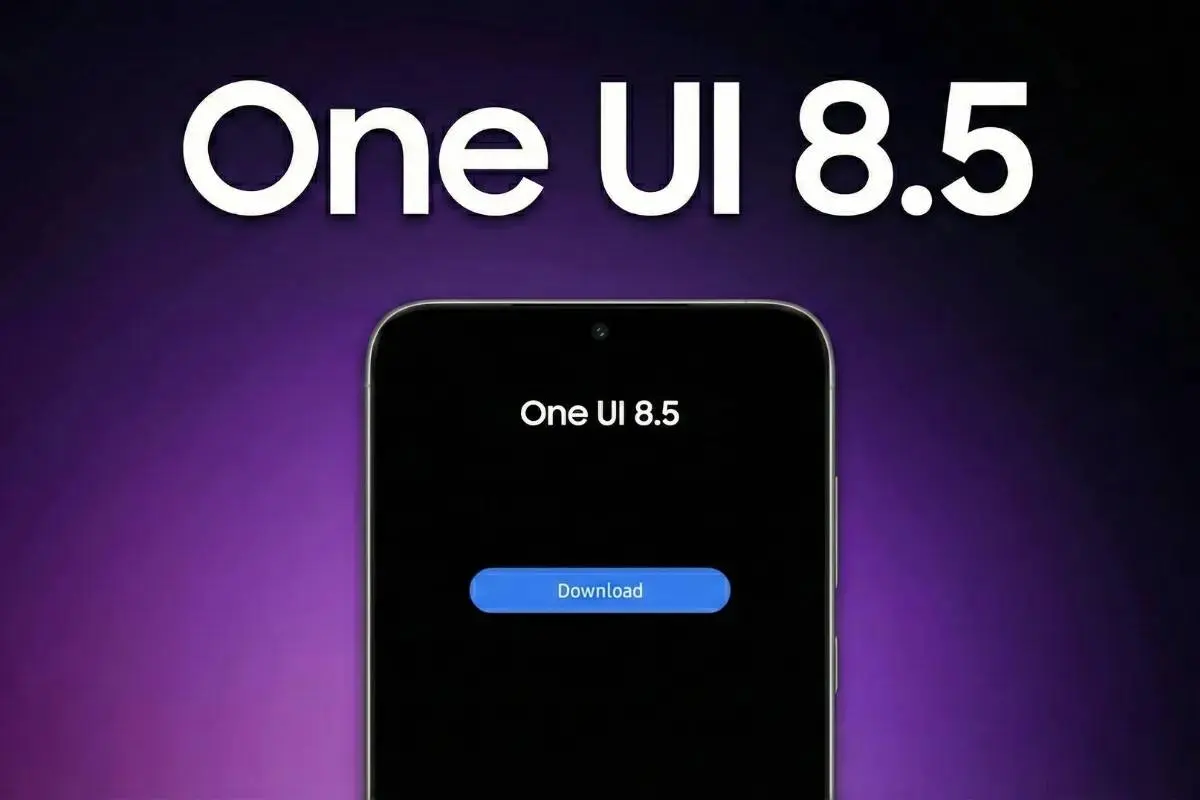
Samsung didn't break any promises. But that won't make the news easier to hear.

Source: Sammyfans
Summary
- One UI 8.5 has been rolling out since May 6, 2026, reaching dozens of Galaxy devices from the S26 series down to mid-range A and M-series phones — but Samsung's Germany press release explicitly referenced Galaxy S23 and the last three A-series generations as the baseline, leaving 2022 devices in an uncertain position.
- The Galaxy S22 series, Galaxy Z Fold 4, Galaxy Z Flip 4, Galaxy S21 FE, Galaxy A53, Galaxy A33, Galaxy Tab S8 series, and various other 2022-era devices appear likely to miss the update entirely, based on halted test builds and Samsung's official communications.
- The reason is technical, not arbitrary: One UI 8.5 is built on Android 16 QPR2 — a different branch from the base Android 16 that powers One UI 8.0 — introducing platform changes and updated APIs that require significant re-engineering effort to port to older hardware.
- Samsung technically fulfilled its obligations to S22 owners: the device launched with Android 12 and received four promised major Android OS upgrades, with Android 16 via One UI 8.0 representing the final commitment.
- One important caveat remains: NPowerUser found internal Samsung evidence suggesting the Galaxy S21 FE may still be marked as eligible internally — which would make a complete S22 exclusion harder to justify, and leaves the situation formally unresolved.
"One UI 8.5 breaks a pattern Samsung has followed for years — historically, any device that received a major One UI version also received the mid-cycle point release on the same Android base. One UI 8.5's QPR2 foundation changes that calculation entirely, and 2022 devices are paying the price for it."
Why QPR2 Changes Everything
This is the technical detail most coverage glosses over. Previous mid-cycle Samsung updates — One UI 6.1, 7.1, previous .5 releases — shared the exact same Android code foundation as their predecessor releases. Porting the newer skin to an older phone was a matter of optimization, not re-engineering. One UI 8.5 on Android 16 QPR2 is architecturally different from One UI 8.0 on base Android 16. New developer tools, updated APIs, and deeper platform-level changes make QPR2 substantially more difficult to validate and stabilize on older chipsets.
Samsung clearly tried. Test builds for the Galaxy S22 appeared on the company's servers and progressed through development until early April 2026. Then development stopped completely. No new test builds have appeared since. That pattern — active development followed by abrupt halt — is what SamMobile identified as the primary evidence the update is being abandoned for that device family.
Samsung's Promise Was Technically Kept
The S22 launched in 2022 with a promise of four major Android OS upgrades. It received Android 13 via One UI 5, Android 14 via One UI 6, Android 15 via One UI 7, and Android 16 via One UI 8.0. That's four. The company's obligation ended there. The expectation that One UI 8.5 would follow — because it's "still Android 16" — was a reasonable assumption based on historical behaviour. But it wasn't a guarantee Samsung ever made explicitly.
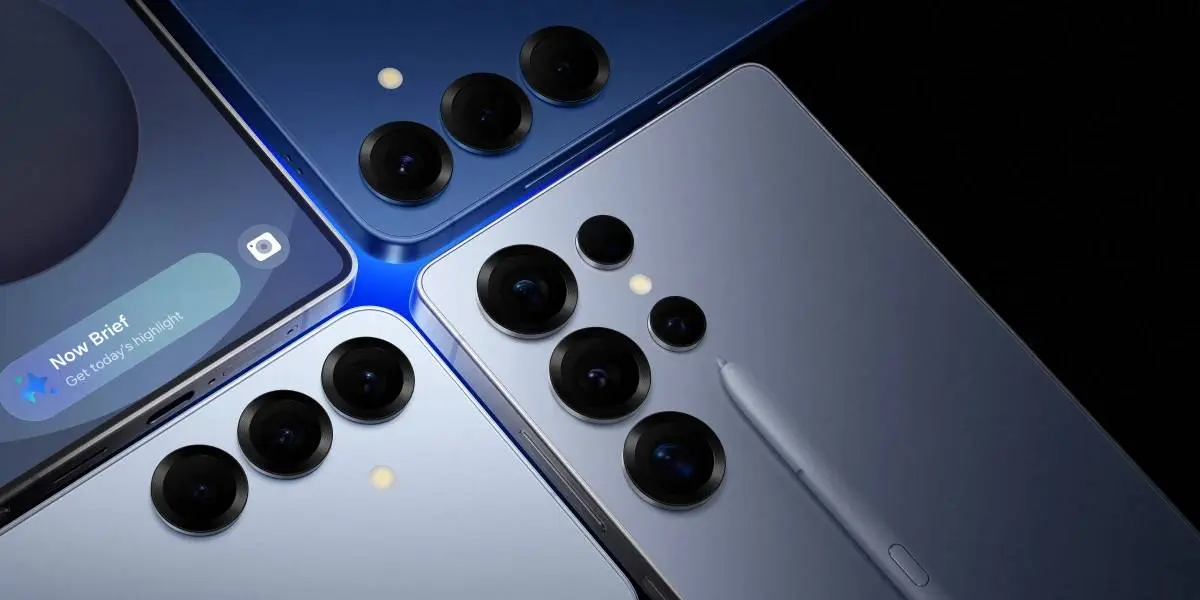
That's a cold comfort for S22 owners who bought the phone in 2022 precisely because Samsung had begun marketing long-term software support. Galaxy S23 buyers onwards benefit from the expanded seven-year policy. S22 buyers remain on the old four-year framework.
The One Reason to Remain Hopeful
NPowerUser found internal Samsung system evidence suggesting the Galaxy S21 FE may still be marked as eligible for One UI 8.5. If Samsung extends the update to the S21 FE — a lower-tier device than the S22 — excluding the S22 series entirely becomes genuinely difficult to explain publicly. Whether this represents a reversal in Samsung's planning or just an incomplete internal flag remains unclear. Until Samsung publishes an official eligibility list, the situation is technically unresolved.
Popular News
Latest News
Loading