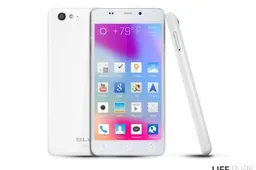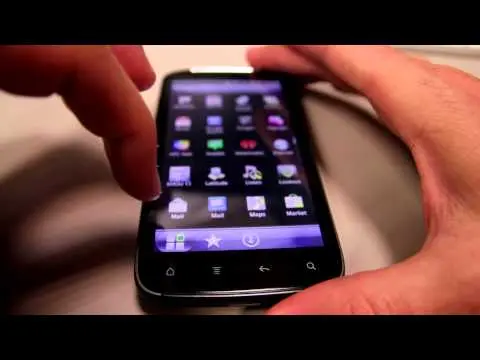
Our smartphones are getting better everyday, but other than a few ugly and underpowered "rugged" models, they remain tragically fragile. The problem comes from their screens. They are still made from a combination of Indium Tin Oxide and glass. The issue there is that you are always one wrong move from a cracked screen and if you are lucky, a phone that only looks broken.
Graphene is set to change all that. Android Authority has a great write up about it, but if you want the short version it goes a little something like this:
Graphene is a newly discovered material that is only one atom thick. Some call it a "2D material" because it is almost a million times thinner than a human hair. It is also amazingly flexible, making screens for the LG's G Flex and Samsung's "bendable" TV look positively rigid. Even better, it is strong. 300x stronger than steel to be exact, which is tougher than even diamond.
What tops it off as an amazing material is that scientists have managed to make it conductive as well. Indium Tin Oxide needs to be on glass to keep its conductivity, but Graphene can be conductive on anything, including plastic or plexiglass.
In addition to flexible and indestructible touchscreens it could also be used in everything from cancer treatments to batteries that charge in seconds. It is already used by professional tennis players for their racquets.
As Android Authority is quick to point out, the technology still has a far way to go before we can expect to see it in our devices. It first needs to decrease in price, the economy of scale dictates that it will, but it is a bit of a chicken and an egg problem. First a major manufacturer needs to start producing it then it will go down in price, but that initial investment can be expensive. But with the price of Indium Tin continually increasing, it will only take one company to decide that it is worth making the plunge.
[Image: siraf72]
Popular News
Latest News
Loading