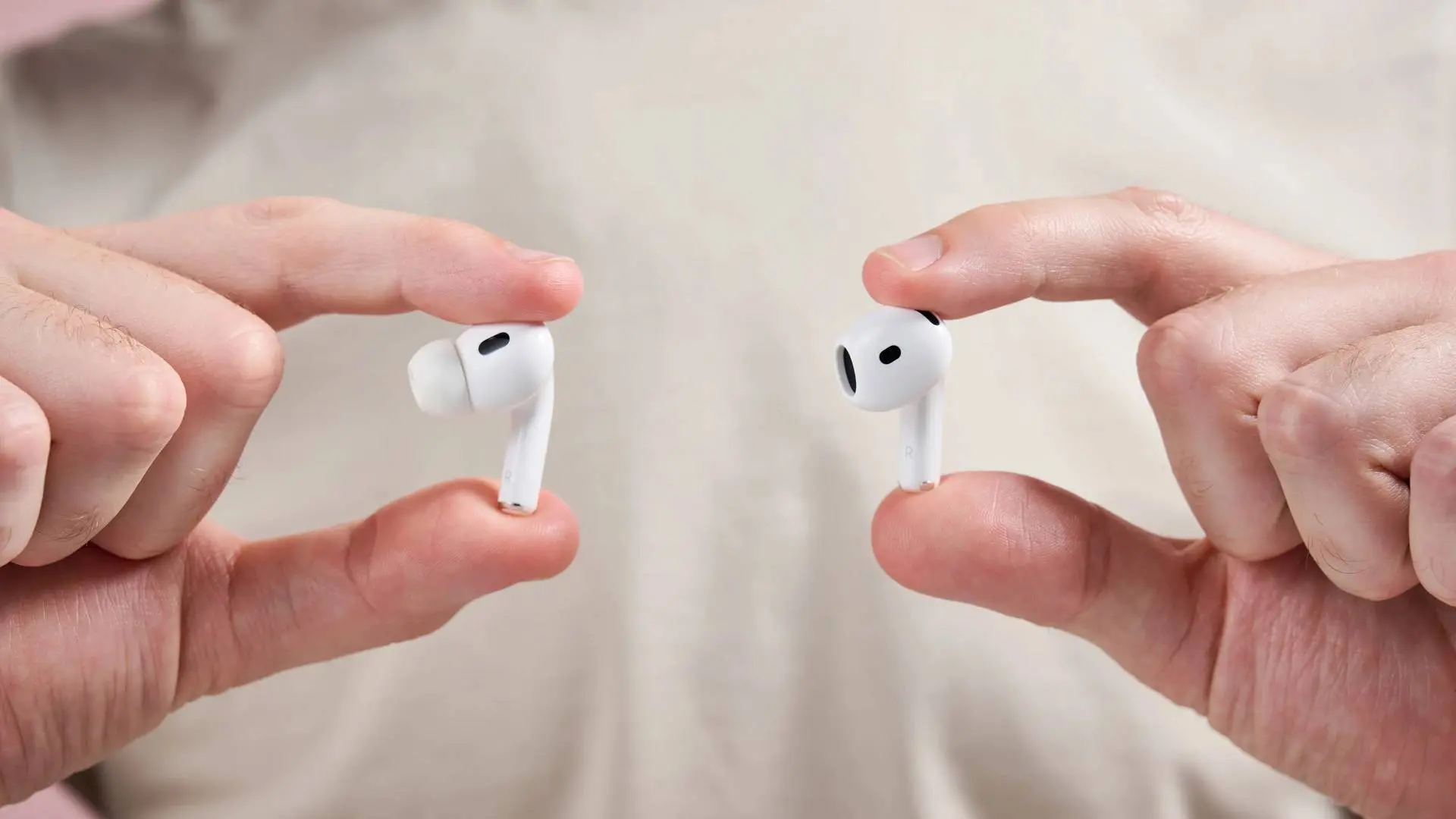
Six months ago, Apple, Samsung, Google, and Meta were all facing the same regulatory problem. The EU's Batteries Regulation, set to take effect in February 2027, would have required consumer devices to have user-replaceable batteries. That includes smartwatches, earbuds, smart glasses — products that are almost entirely sealed by design. On July 14, the European Commission adopted a delegated act formally exempting wearables from that requirement. Apple Watch, Galaxy Watch, AirPods, and Meta Ray-Bans can stay sealed.

Summary
- Six new exemption categories adopted July 14: Wearables — including smartwatches, fitness trackers, smart glasses, and clothing-integrated electronics — are now formally exempt from user-replaceable battery requirements.
- Two reasons given for wearables: Miniaturisation (devices too small for safe user battery access) and wet appliance status (sealed designs where improper reopening could compromise water resistance or create safety risks).
- Earbuds not explicitly named but likely covered: The Commission describes devices where "safety, durability, or water resistance may be compromised by user access to the battery" — which covers most true wireless earbud designs.
- Professional repair still required: Batteries don't need to be user-swappable, but must remain serviceable by independent trained professionals.
- Not final yet: The delegated act still needs to clear European Parliament and Council scrutiny before becoming binding law.
Two Reasons, One Practical Outcome
The Commission laid out its logic clearly. The first reason is miniaturisation — some wearable components are packed so tightly that giving users access to the battery creates a realistic risk of damaging the cell, and a damaged lithium battery is a fire hazard. The second is the wet appliance category. Devices designed to be worn near water — or submerged in it — rely on sealed enclosures that lose their integrity once opened. A consumer who opens their smartwatch to replace a battery and fails to reseal it properly could end up with a dead device or a water-damaged battery at best, and a safety incident at worst.

These arguments weren't new. Manufacturers had been making them since the Batteries Regulation was first proposed. What changed on July 14 is that the Commission accepted them formally, adding wearables to the same exemption list already covering electric toothbrushes, water flossers, and other wet appliances.

The Wider Context: Who Wins and Who Doesn't
The practical beneficiaries are obvious. Apple doesn't need to redesign Apple Watch or AirPods. Samsung's Galaxy Watch lineup stays the same. Meta's Ray-Ban smart glasses are covered. Garmin, Fitbit, Xiaomi's fitness bands — all exempt. This exemption lands in the same week that Nintendo announced a user-replaceable battery revision for the Switch 2 in Europe, and Amazon confirmed it was redesigning Kindles for EU compliance. The wearable exemption makes the contrast sharper: some categories of device got the rule softened, others didn't.
Right-to-repair advocates are unhappy — TechTimes confirmed that US diplomatic pressure played a documented role in securing the exemption, representing a rare case of external lobbying softening an EU product mandate before it could spread globally.
Popular News

Latest News
Loading