Chrome is the default browser on Android. Safari dominates iOS. Both have been true for years. And yet Opera Browser just posted some of its strongest growth numbers in recent memory — 40% more monthly active users on Android in the US year-over-year in Q2 2026, and 50% more on iOS in the same period. In the UK, those numbers are even more striking: 66% on Android and 93% on iOS.

Summary
- 40% Android MAU growth in the US (Q2 2026 YoY): Opera's own figures, covering monthly active users in the second quarter compared to the same period last year.
- 93% iOS growth in the UK: The biggest number in the set — and a direct result of the EU's Digital Markets Act forcing Apple to show browser-choice screens to iPhone users.
- DMA gets much of the credit: The regulation that forced Apple to offer browser alternatives to EU iPhone users for the first time is driving real user acquisition for Opera.
- Feature set doing the retention work: Free unlimited VPN, native ad blocker, Tab Islands, built-in AI, and cross-device sync between desktop and mobile are keeping new users around.
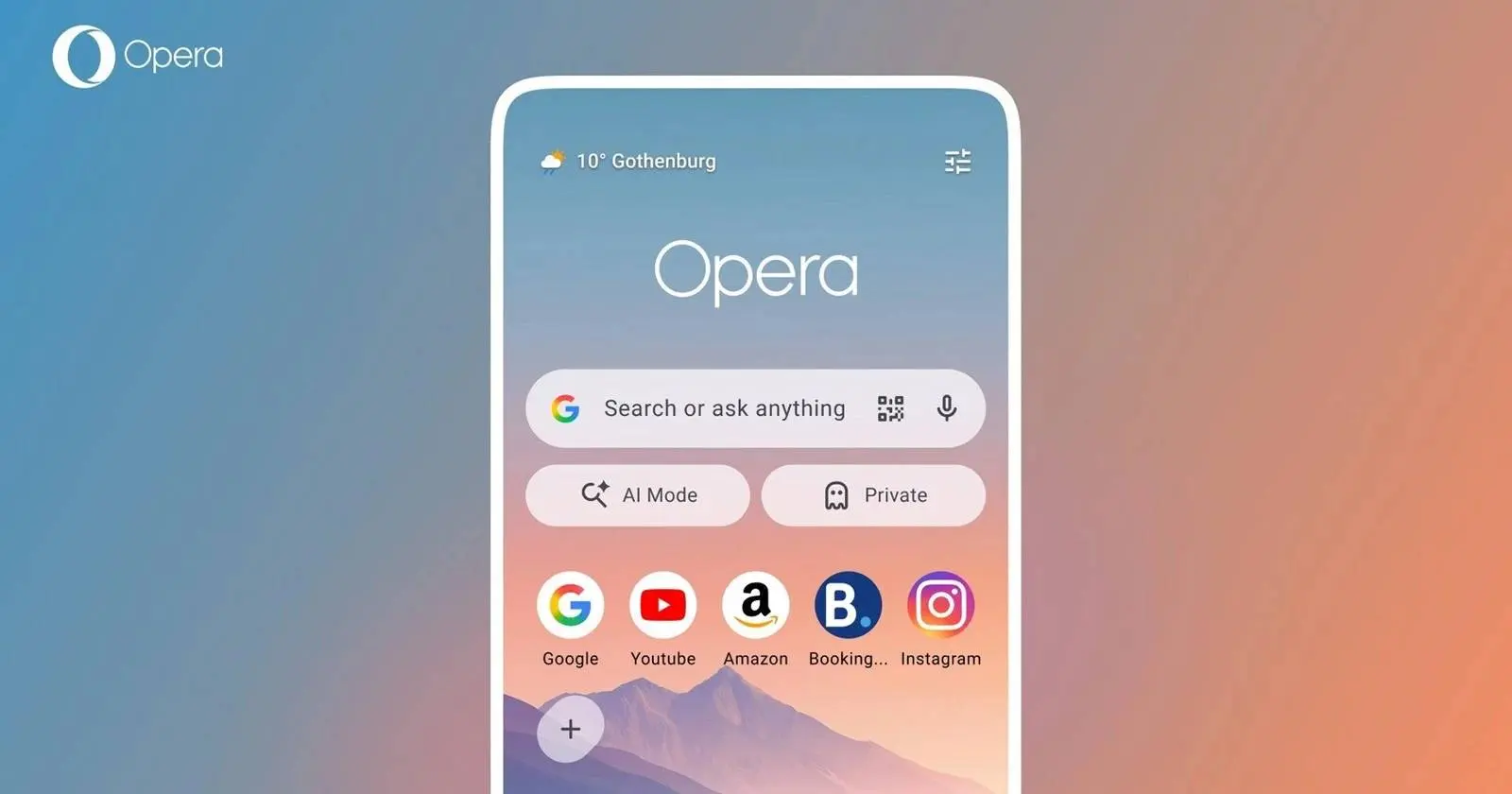
- Opera for Android just hit version 100: Marking the milestone with a redesigned start page and a football hub — almost certainly referencing the 2026 World Cup.

How the DMA Changed the Game for Opera
Before the Digital Markets Act, iPhone users in the EU had one practical default browser option: Safari. The DMA changed that in 2024, requiring Apple to show a browser-choice screen to EU users. Android users could always swap defaults — but the DMA also pushed Google to make alternative browser options more visible to Europeans.
Opera credits the DMA explicitly for its EU growth. The numbers back it up. A 93% year-over-year jump in UK iOS MAUs doesn't happen organically — it happens when millions of users see a choice screen for the first time and pick something other than the default.
Read also
The Features Doing the Retention Work
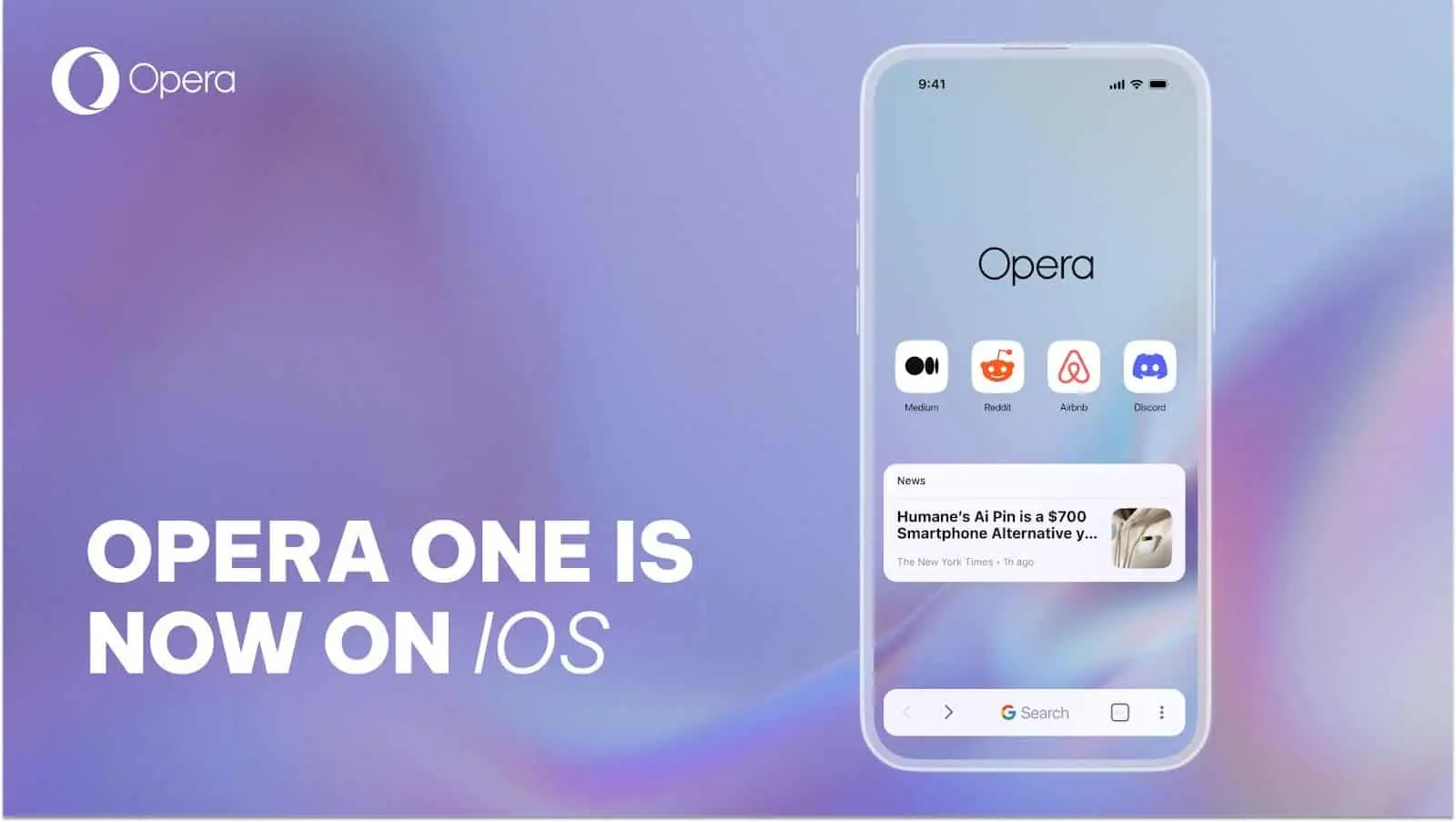
New users found Opera through a regulatory choice screen. Keeping them is a different challenge. Opera's feature set makes a credible case. The free built-in VPN requires no subscription and blocks trackers. The native ad blocker works across all sites without an extension. Tab Islands group related tabs visually, making multi-session browsing genuinely manageable. The built-in AI handles content generation, search, and Q&A directly in the browser. And Opera One for iOS syncs tabs, bookmarks, and passwords from desktop to phone — a cross-device parity feature that neither Chrome nor Safari handles as seamlessly for non-Google and non-Apple users respectively.
A Browser With Real History
Opera didn't appear overnight. It was the default browser on early Windows Mobile touchscreen phones — the HTC Touch Pro and HTC Touch Diamond were both Opera-powered before the modern smartphone era fully took hold. Opera Mini handled feature phones and slow 2G networks through server-side compression. Opera dropped its proprietary Presto rendering engine in 2013, switched to WebKit, merged Opera Mobile and Opera Mini into a single product, and has been iterating on that base since. The latest Android release — version 100 — shows how far that journey has come.
Popular News


Latest News
Loading