When vivo launches a new phone in its V series, there’s always that lingering question: how much of this is a genuine upgrade, and how much is just refinement for refinement’s sake? The vivo V60, released in India last week, arrives as the successor to the V50—a device that already had a strong balance of looks, performance, and battery life. This new model doesn’t rip up the blueprint, but instead tweaks it in ways that are, at times, meaningful and at other times… not quite enough.
I’ve been using the V60 as my main phone for just over a week now. Enough time, I think, to figure out where vivo nailed it and where it hesitated.
Box contents: the usual suspects
Unboxing the V60 doesn’t bring surprises. Inside, you get:
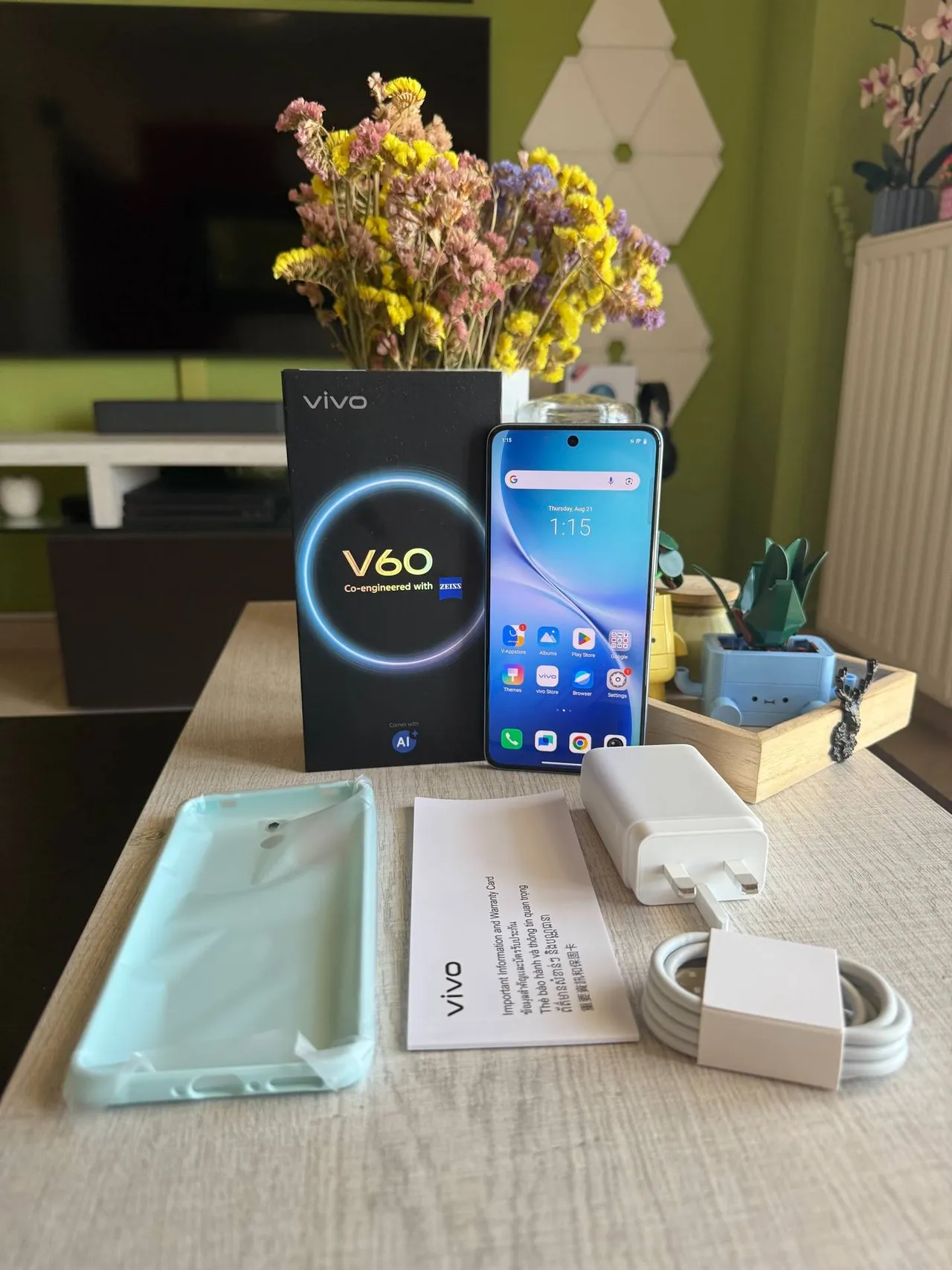
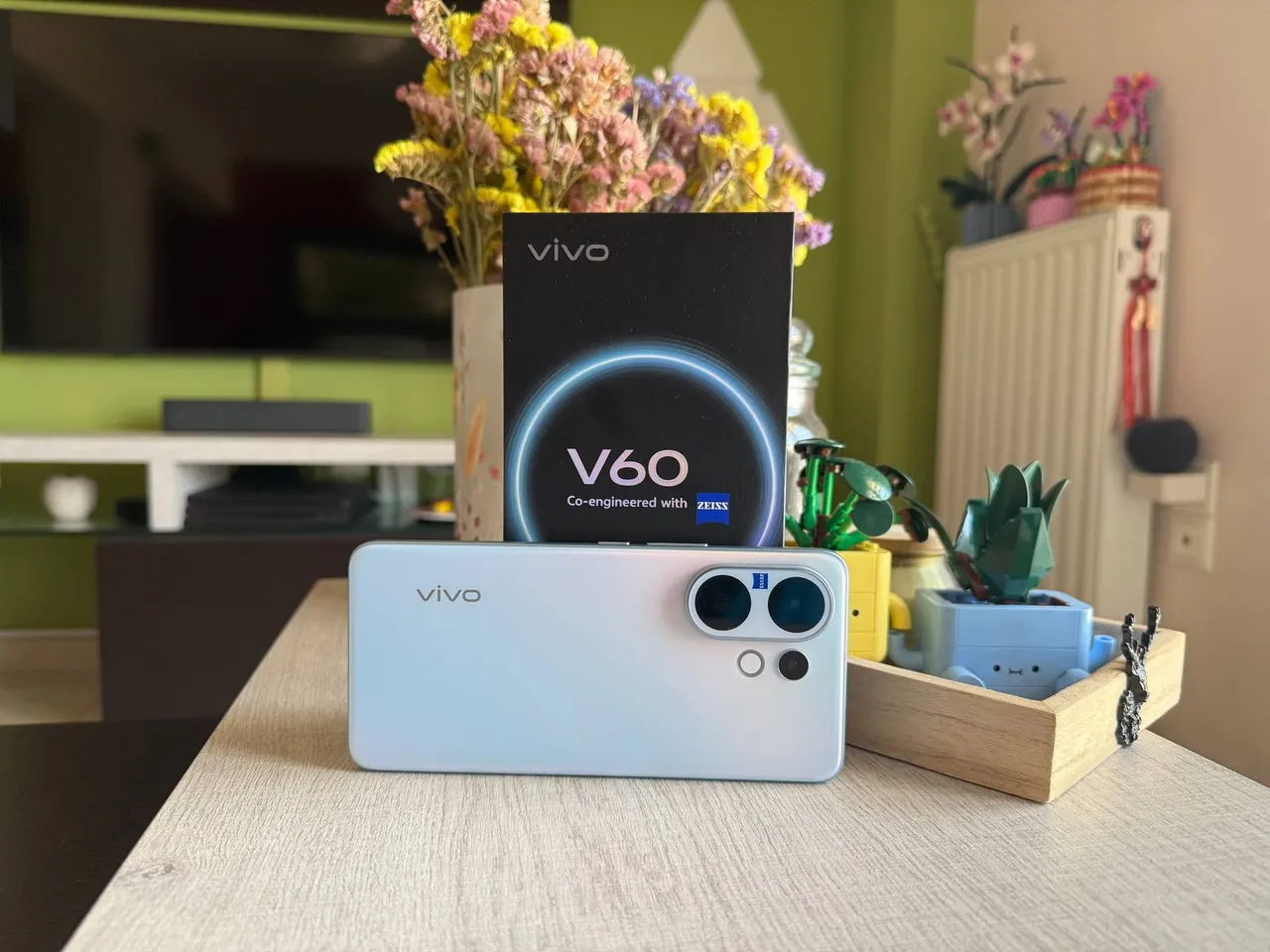
- The phone itself (mine is the Moonlit Blue variant with 12GB RAM + 256GB storage)
- A soft silicon case
- USB-C cable
- A chunky 90W FlashCharge wall adapter
- SIM ejector tool
- The usual papers and warranty slip
It’s a complete package, though nothing about it feels premium beyond the fast charger. Then again, at least vivo still includes one, unlike some brands that force you to buy separately.
Display and design: familiar, but sharper
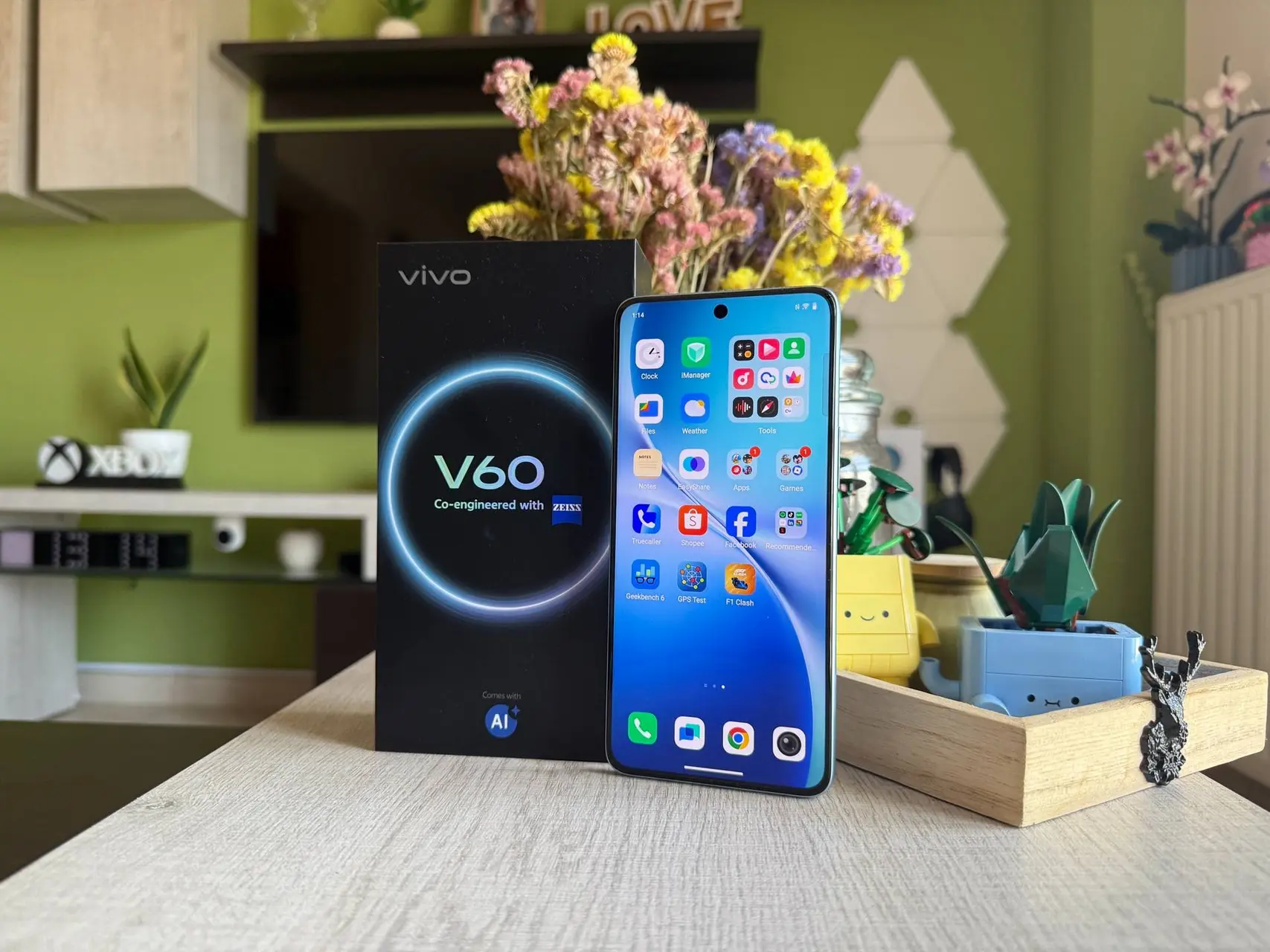
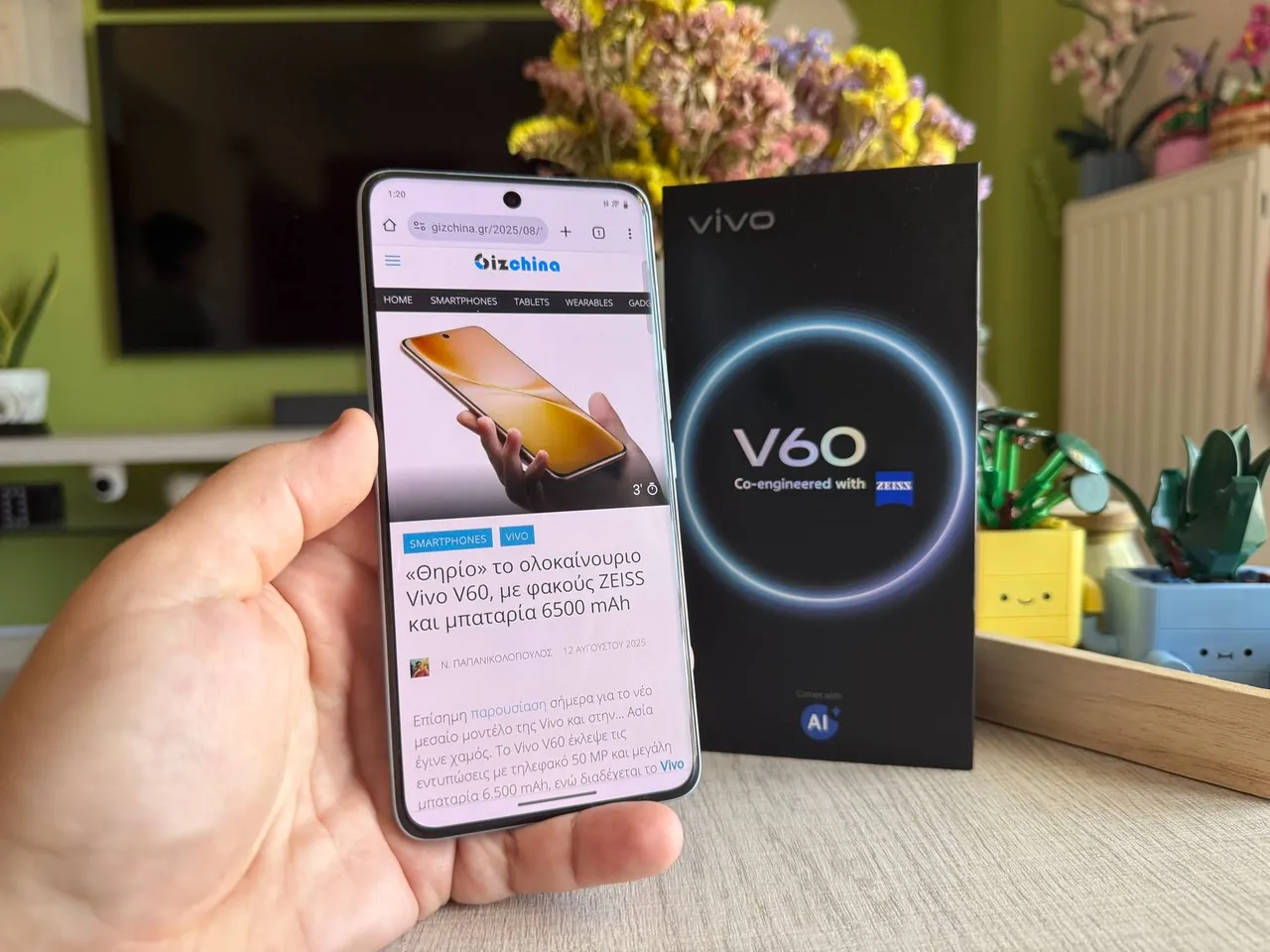
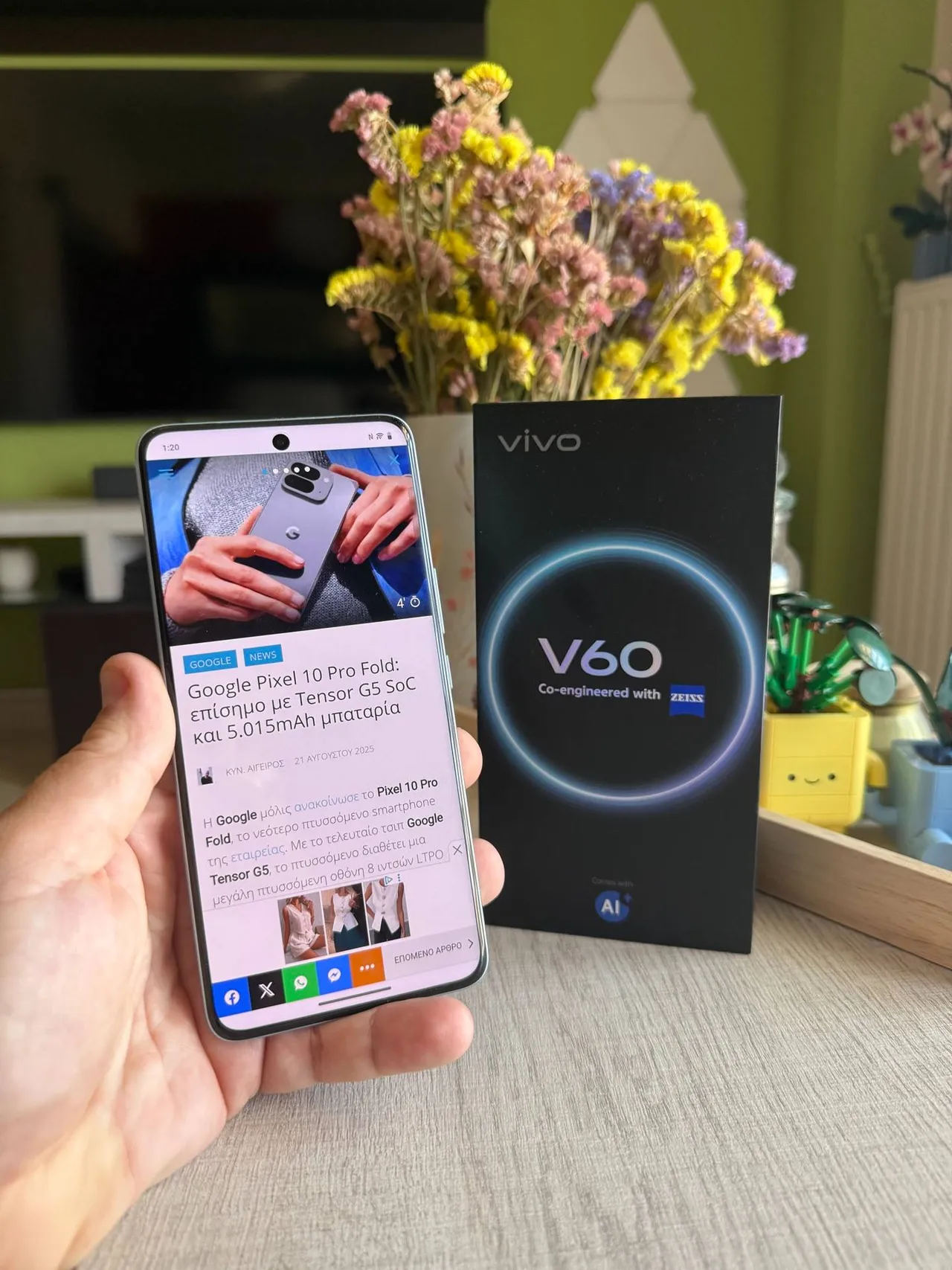
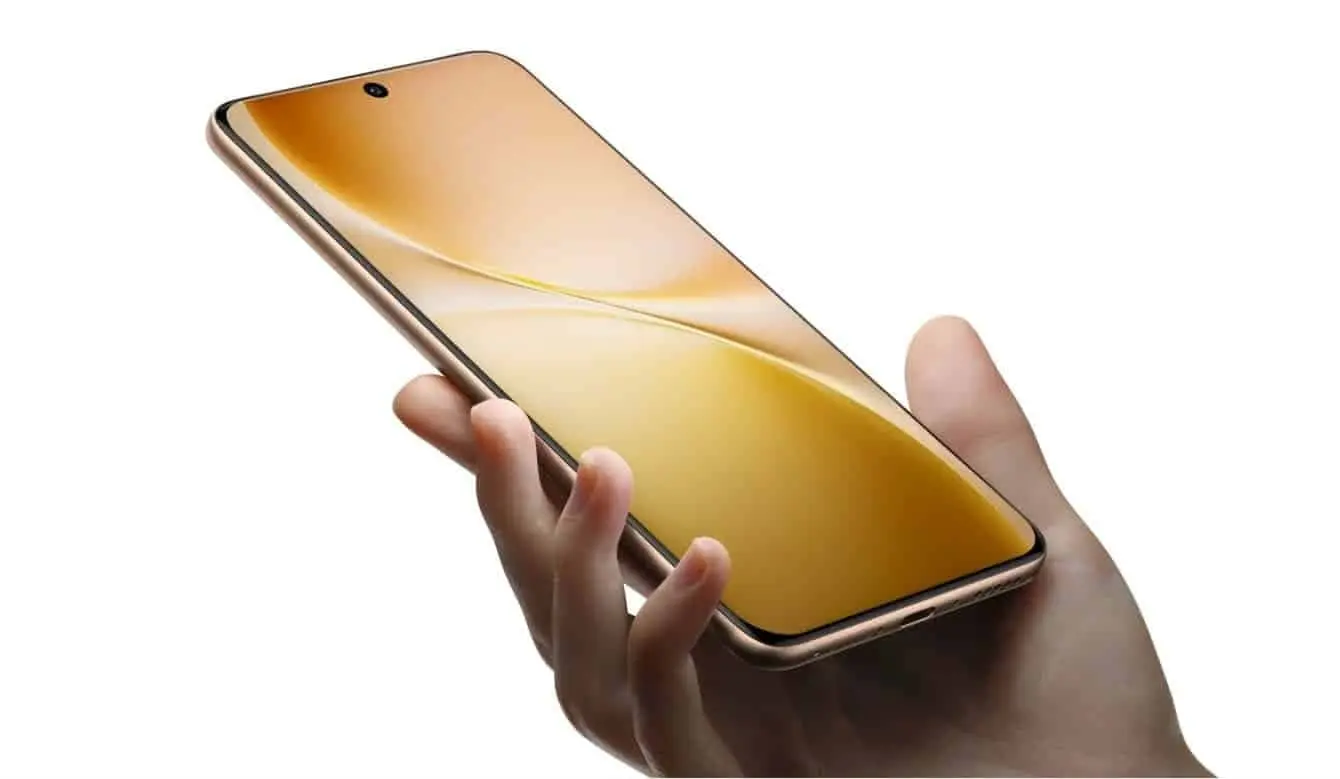
At first glance, the V60 could be mistaken for the V50. The same quad-curved AMOLED display dominates the front—6.77 inches, Full HD+, with a buttery 120Hz refresh rate. It’s undeniably gorgeous, and with peak brightness now hitting 5,000 nits in certain HDR scenarios, it punches through direct sunlight better than before.
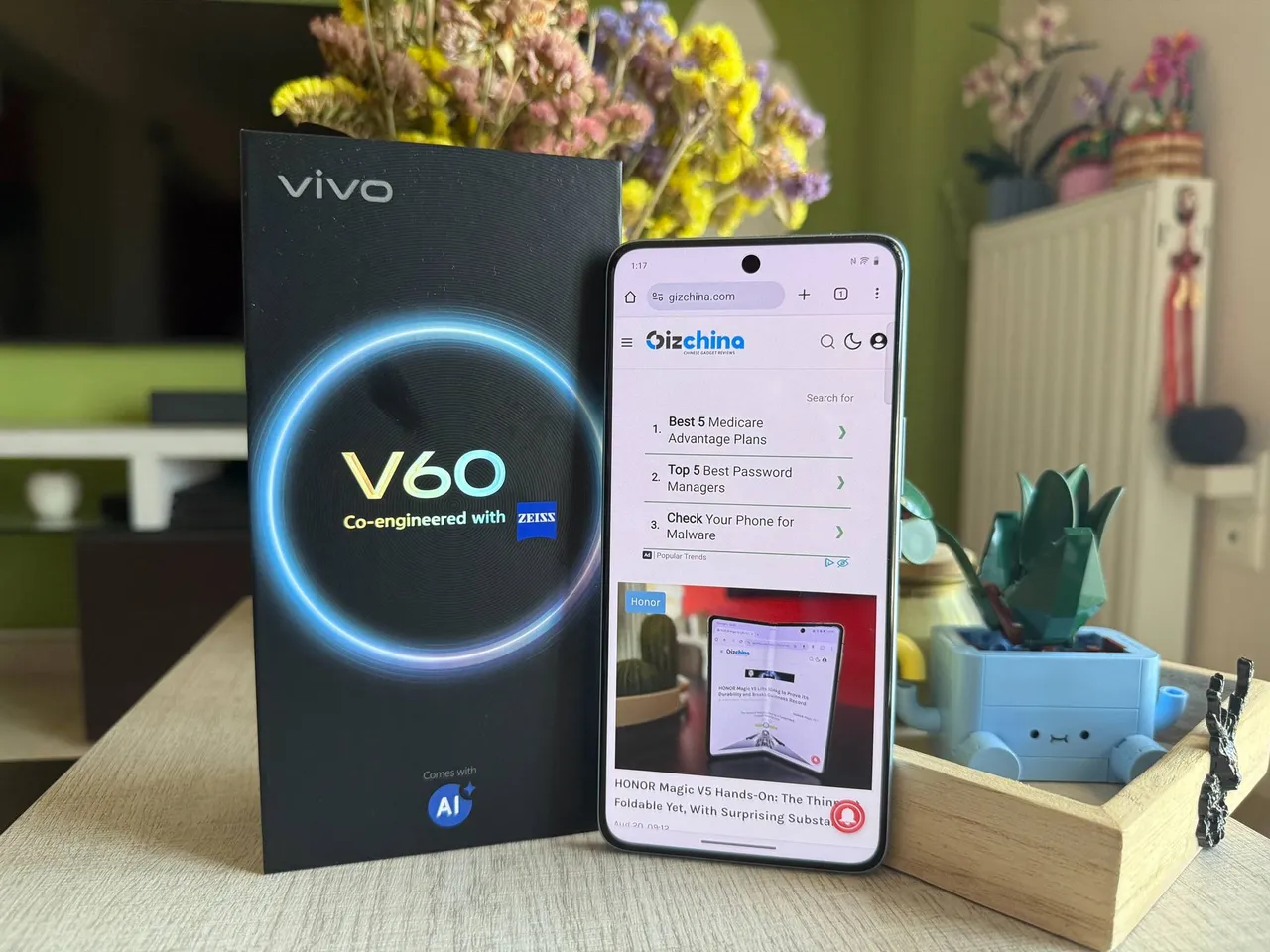
That said, the panel is still capped at FHD+. At this price, some rivals are pushing QHD+, and while I didn’t feel short-changed most of the time, watching HDR content on Netflix made me wonder if vivo could’ve gone further.
The curves are still divisive. I personally like how immersive it feels, but accidental touches happen more often than I’d like. Even with palm rejection software, I found myself swiping back unintentionally when reading an article in Chrome. Not a dealbreaker, just mildly frustrating.
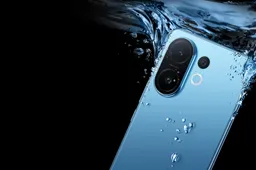
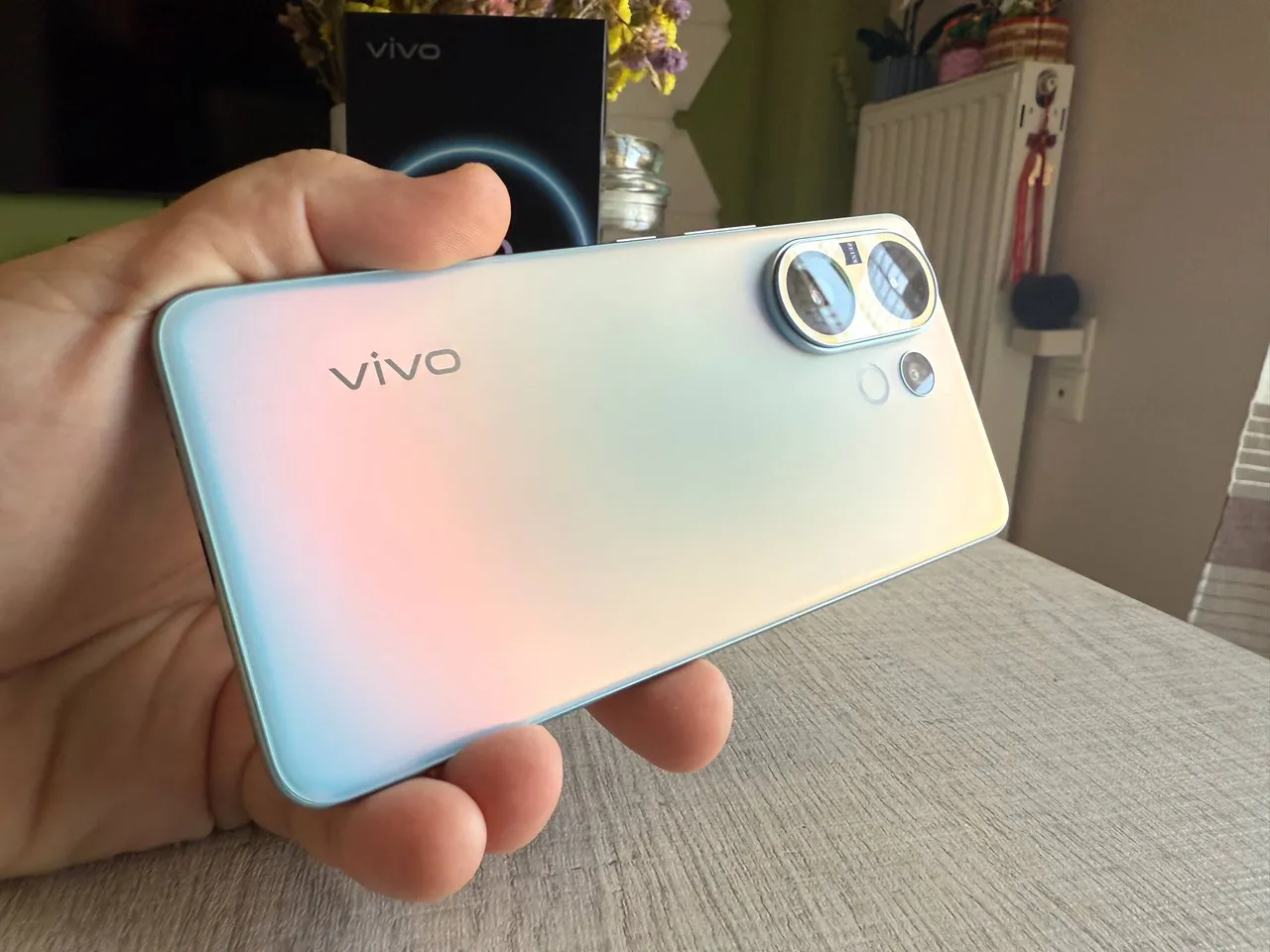
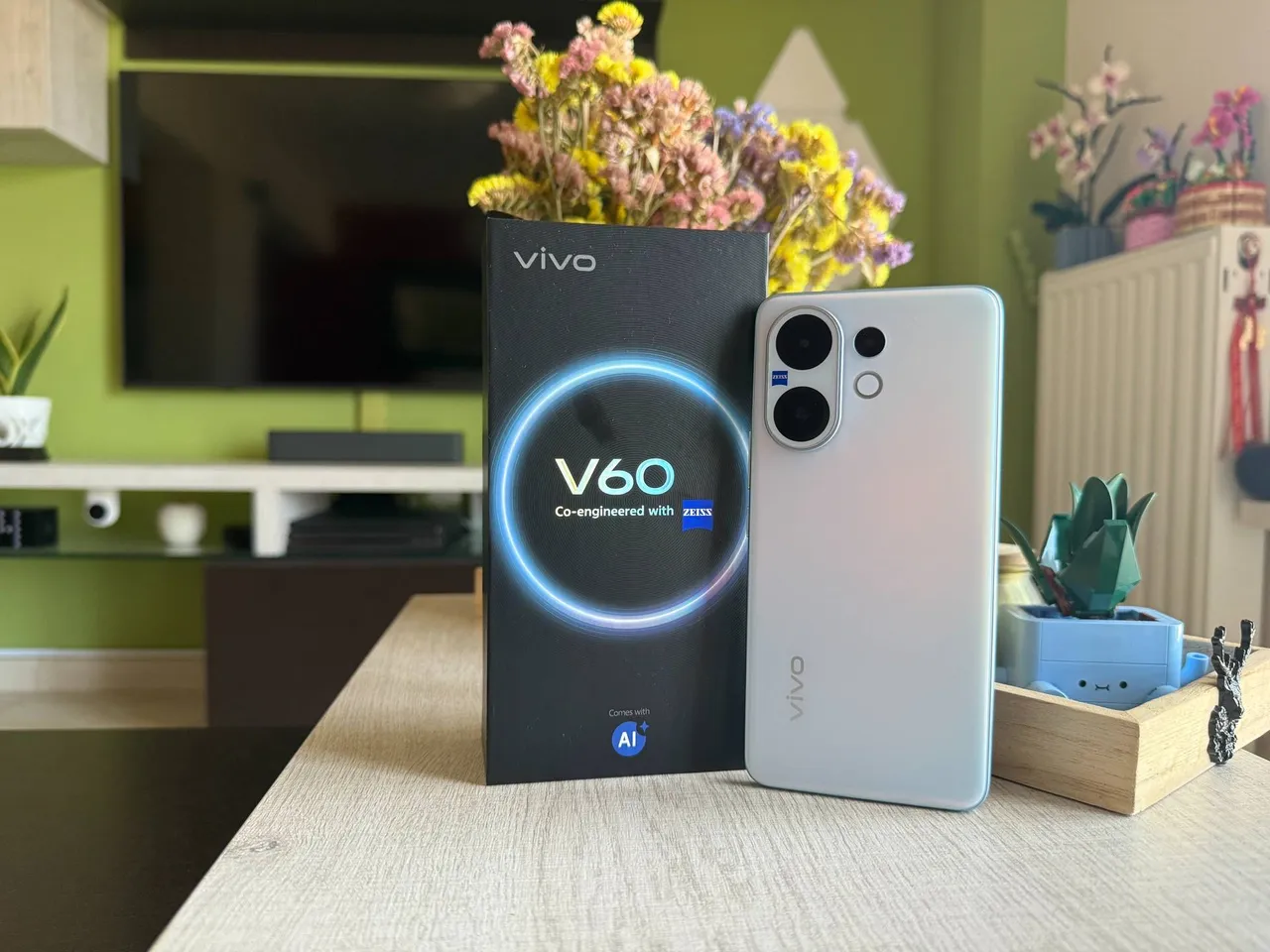
Build quality is excellent. The Moonlit Blue variant looks stunning under light, though it’s a fingerprint magnet. At just 7.75mm thick and around 201 grams, it’s impressively slim for packing a 6,500mAh battery. Vivo is quick to call it the slimmest in its battery class, and for once, that kind of marketing line feels justified. The IP68/IP69 certification is another rarity in this price range—confidence-inducing, if you’ve ever had a near-death experience with a phone in the rain.
Cameras: the ZEISS story continues
The real headline feature is the camera setup. On paper:
- 50MP main sensor (Sony IMX766, OIS)
- 8MP ultra-wide (120°)
- 50MP periscope telephoto (3x optical, OIS, up to 100x digital)
- 50MP autofocus front camera
Photos in daylight are genuinely excellent. Rich detail, natural contrast, and vivo’s HDR tuning that feels just right—not too aggressive like some competitors. The telephoto lens is a big win: up to 10x zoom is surprisingly sharp, and 20x is still usable. Beyond that? Marketing fluff. At 100x, you’re basically painting pixels.
The ultra-wide is fine, though at 8MP, it feels underpowered next to the other sensors. Colors don’t always match the main camera, which can be jarring when switching quickly.
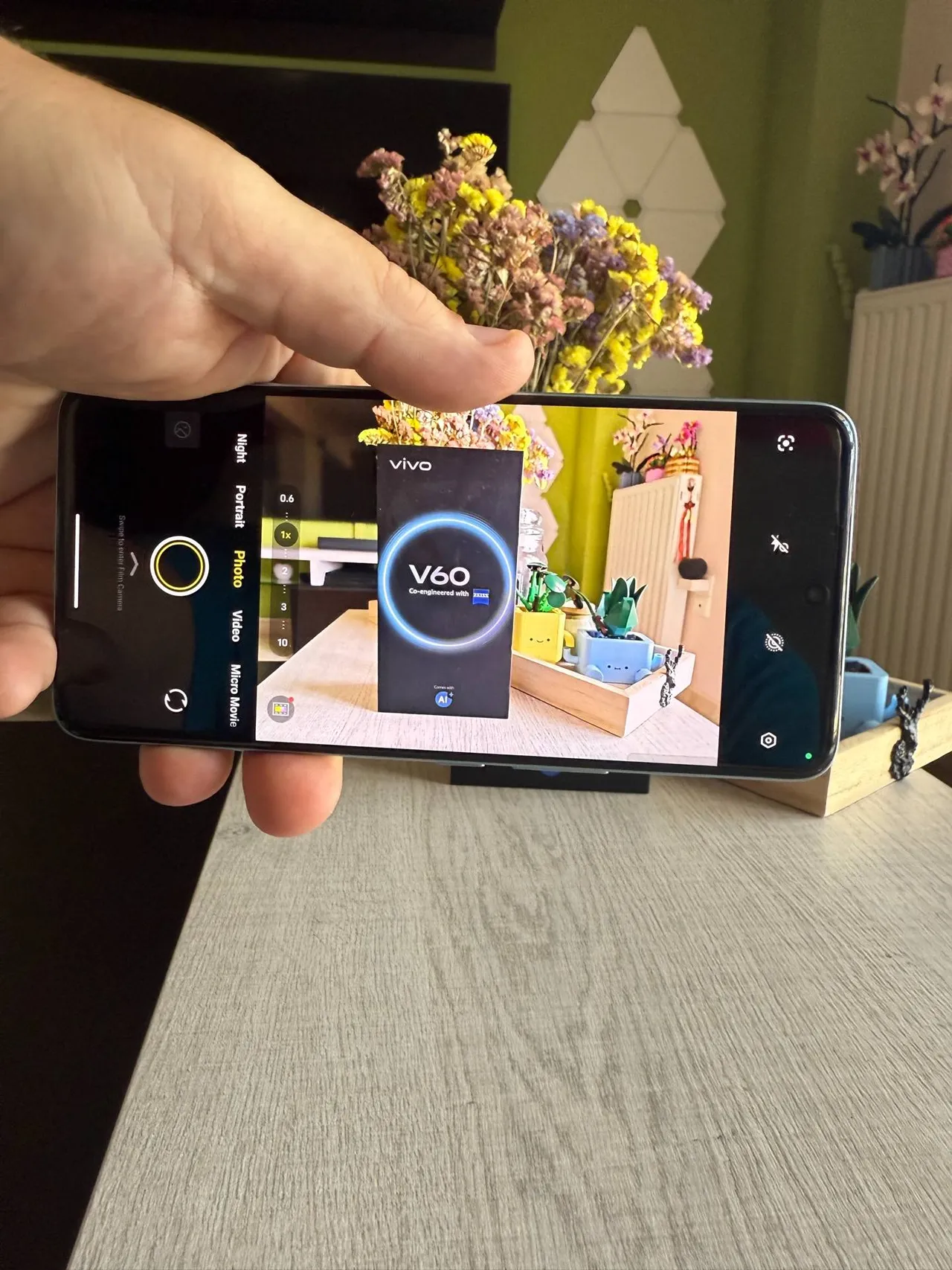
Low-light performance is a mixed bag. The main sensor with OIS handles itself well, especially in Night Mode, but images take several seconds to process. Results are bright, though fine detail sometimes gets smeared by software. The periscope lens struggles in low light—usable, but noisy.
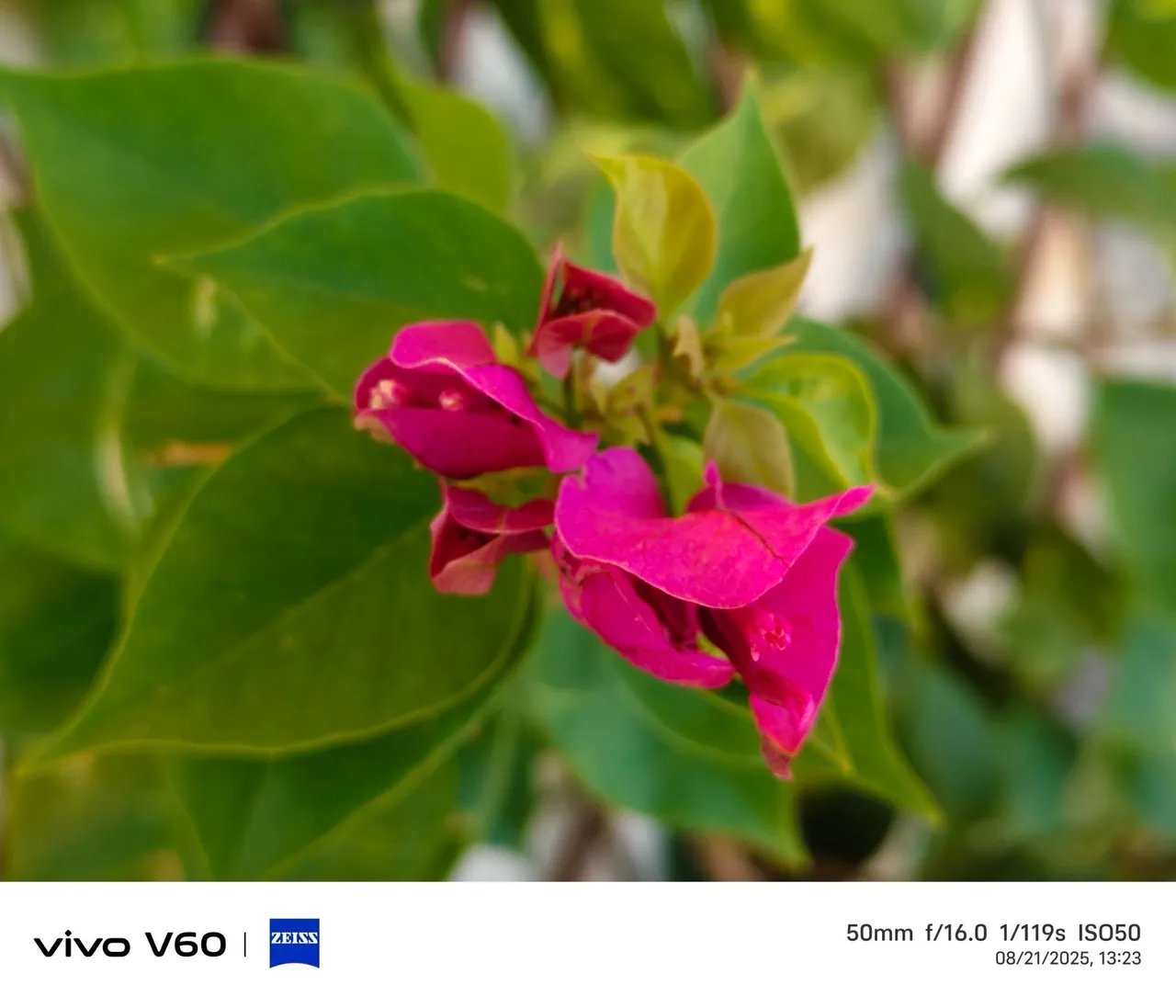
The front camera deserves praise. Selfies are crisp, and vivo’s portrait cutouts are among the best in the segment. That said, skin tones occasionally skew toward pink, depending on the lighting.

Video is capped at 4K 30fps, which feels a step behind when some rivals now offer 4K 60fps or even 8K options. Stabilization works well, though you’re dropped to 1080p if you enable the strongest “Ultra Steady” mode.
Software and UI: Funtouch OS keeps evolving
The V60 runs Android 15 with Funtouch OS 15 on top. Vivo is promising four major Android updates and six years of security patches—a first for the V series. That’s a huge step forward and one of the most reassuring aspects of this phone.
Performance is smooth, and vivo’s new “Lightning-Speed Engine” does make apps pop open with less hesitation. Animations feel polished, thanks to the new Origin Animation system, which gives the whole UI a bit more personality.
But bloatware remains a problem. Facebook, Snapchat, Amazon, and a handful of regional apps came pre-installed. You can uninstall them, yes, but some return after a factory reset, which is infuriating. It’s time vivo took this seriously—especially in a phone this expensive.
On the plus side, I enjoyed the AI Image Lab tools. Features like shadow removal and AI eraser aren’t gimmicks—they actually work well enough to replace a quick Photoshop edit.
Fingerprint and face unlock
The optical in-display fingerprint sensor is fast and reliable, though I wish there were an option to tweak haptic intensity when unlocking. Face unlock is convenient and quick but, like always, less secure.
Multimedia and speakers
The stereo speakers are loud and decently clear. Not the richest soundstage, but good enough for casual YouTube and music streaming. I missed the presence of an FM radio, though that’s becoming extinct across smartphones.
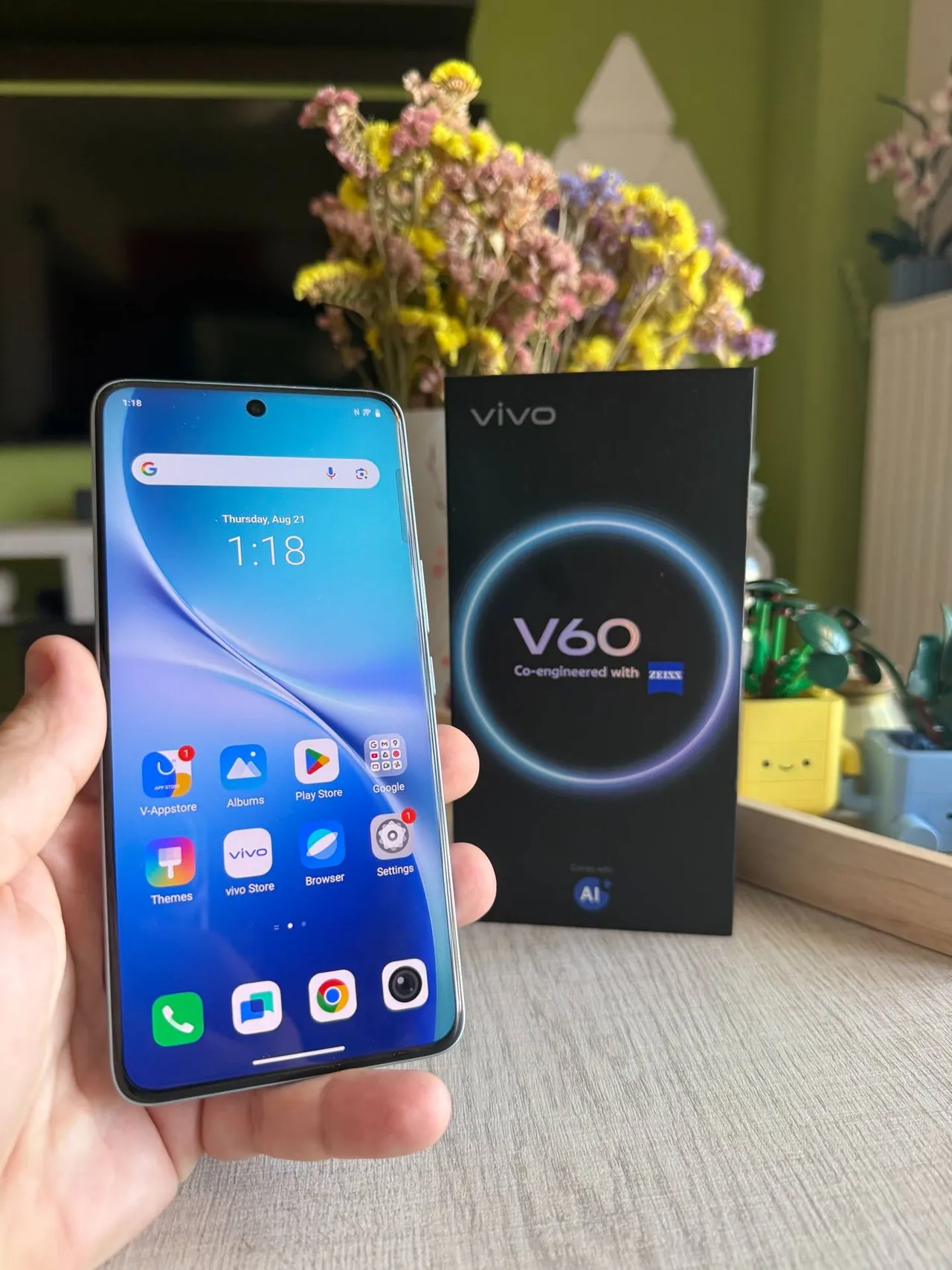
Streaming apps like Netflix and Prime Video play nicely with Widevine L1 certification, and HDR support works flawlessly. Watching “Our Planet” on Netflix, I could see the panel’s brightness advantage kick in—the vivid greens and blues stood out, even in daylight.
Connectivity and calls
No real complaints here. Dual 5G (tested on Jio and Airtel), Wi-Fi 6, Bluetooth 5.4, NFC—all checked. Call quality is rock solid, and I never faced drops. The 360° antenna design seems to make a difference, as I noticed stronger reception in weak-signal areas compared to my older OnePlus.
Performance and gaming
The Snapdragon 7 Gen 4 is at the heart of the V60. Compared to the Gen 3, the improvements are modest, but noticeable. Everyday use is snappy, with no lag or stutter. Apps stay in memory longer, thanks to 12GB RAM (plus up to 12GB virtual RAM expansion, if you want).
Gaming is solid. BGMI runs on Ultra HDR settings smoothly, and Genshin Impact is very playable at medium-high graphics. The Adreno 722 GPU brings a 30% boost, though heavy sessions do warm the phone up to the mid-40s (°C). The vapor chamber cooling works, but not miracles.
Benchmarks aside, I never hit a frame drop that ruined gameplay. That’s what counts.
Battery life
This is where vivo really impresses. The 6,500mAh battery consistently lasted me close to two days on moderate use. On a heavy day—5G, navigation, gaming, streaming—I still ended with 20% left. Screen-on time hovered around six hours, which is excellent.
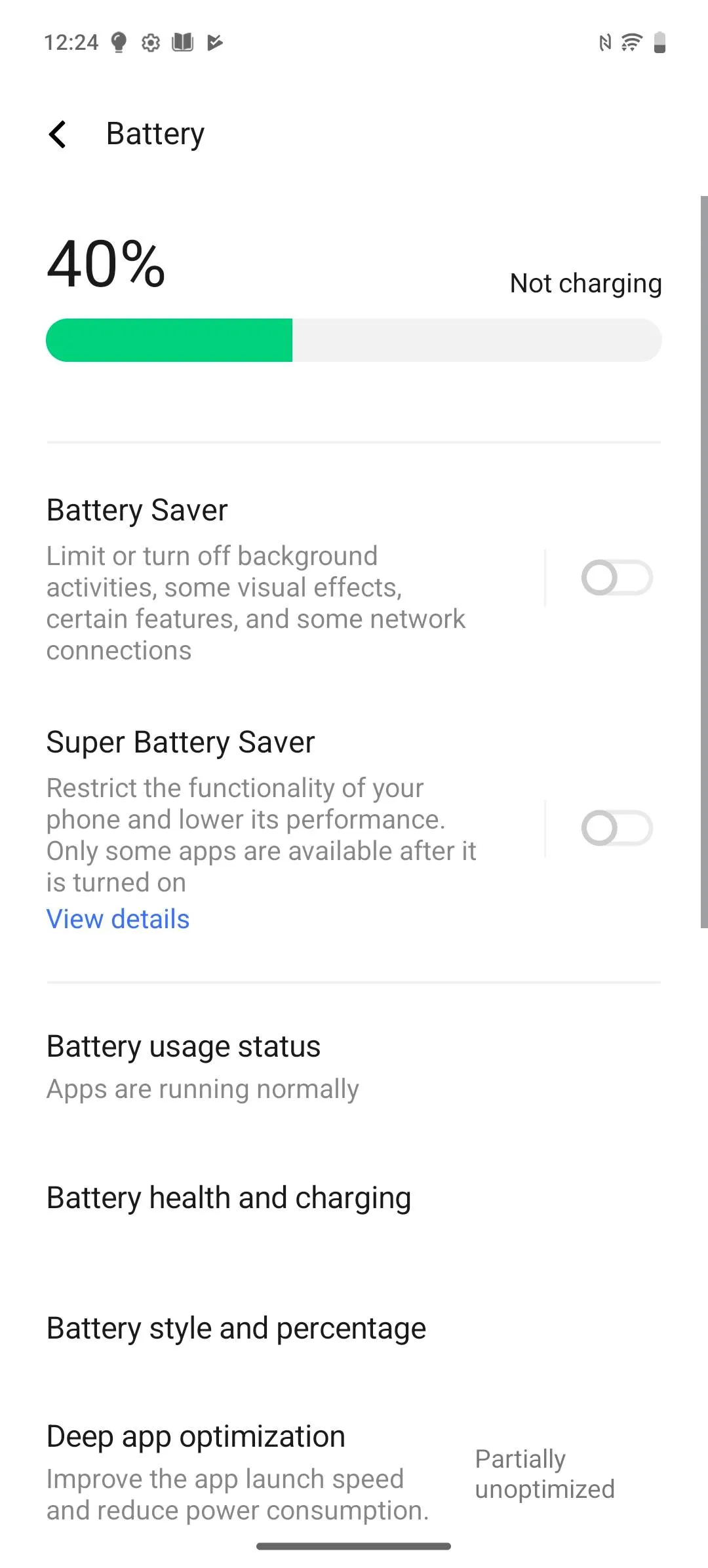
Charging is quick: 0 to 50% in about 30 minutes, 100% in just over an hour with the bundled 90W charger. No wireless charging, though, which at this price point still feels like a missed opportunity.
Verdict: who should buy the V60?
At a starting price of ₹36,999, the vivo V60 positions itself as a mid-premium device with strong selling points: sleek design, great daylight cameras, dependable performance, and outstanding battery life.
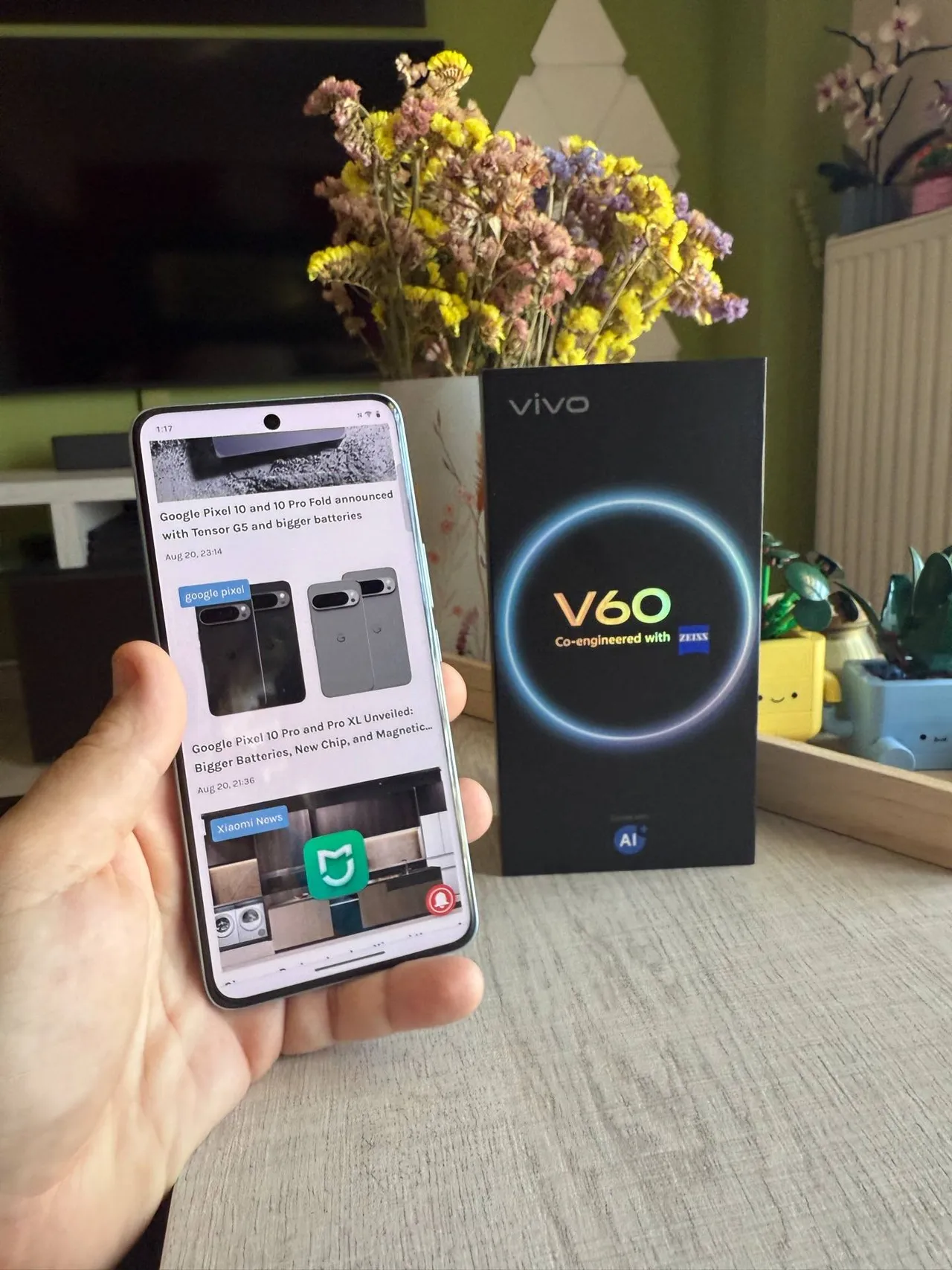
But is it a must-upgrade for V50 owners? Honestly, no. The improvements in zoom photography and battery size are real, but incremental. The use of UFS 2.2 storage feels outdated for a phone creeping toward the ₹40k bracket. And low-light performance, while better than before, still lags behind true flagships.
For users on older devices—or anyone who values design and battery endurance—the V60 is an excellent buy. For V50 owners? You might want to wait another cycle, unless telephoto photography is your personal priority.
Alternatives worth noting
- Nothing Phone 3a Pro – more affordable, clean software, competitive cameras.
- POCO F7 – better performance for gamers, though design isn’t as premium.
- OnePlus Nord 5 – cheaper, strong software promise, though lacks the polish of vivo’s design.
Pros
- Gorgeous 120Hz curved AMOLED panel
- Daylight photography is excellent
- Long battery life + fast charging
- Slim, premium design with IP68/IP69
- Smooth, reliable performance
Cons
- Low-light photography needs work
- UFS 2.2 storage feels outdated
- Bloatware is frustrating
Popular News


Latest News
Loading