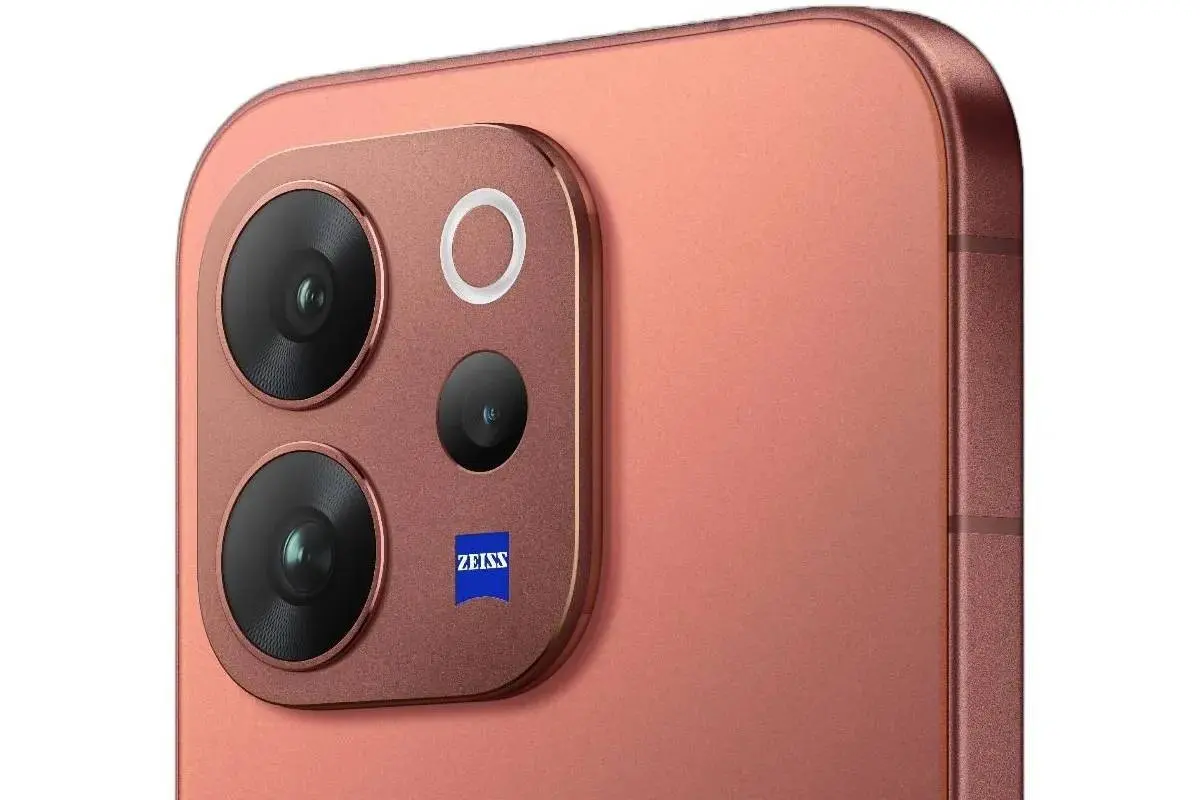
Vivo's V70 just dropped with some weird choices that'll split opinions hard. Some upgrades make sense. Others? Not so much. Let's break down what actually changed from last year's V60.

Screen Shrunk and Lost Its Curves
Display went from 6.77 inches down to 6.59 inches. Flat panel now instead of that quad-curved glass the V60 had. Honestly? Good riddance. Those curved edges looked cool in renders but caused constant accidental touches in real use.
New screen runs 1,260 x 2,750 pixels keeping the same 120Hz refresh and 10-bit color. Brightness jumped to 1,800 nits peak global (up from 1,500 nits). Peak local stayed at 5,000 nits for both generations—useful when you're squinting at your phone outside.
Going smaller let Vivo narrow the phone down to 74.3mm wide versus 77.0mm before. Thickness dropped a hair to 7.4mm or 7.6mm depending which color you grab. Weight fell to 187g or 194g, both lighter than the V60's 192g/201g options.

Key Points:
- Vivo V70 switches to flat 6.59-inch OLED display with 1,800 nits peak brightness
- Aluminum frame replaces plastic chassis with IP68/IP69 rating and 1.8m drop resistance
- 6,500mAh semi-solid battery handles extreme temperatures (-20°C to 40°C) with 90W charging
- Sony LYT 700V 50MP main camera with OIS, 4K 60fps video recording upgrade
- Six years OS updates and security patches running Android 16/OriginOS 6 at launch
Build Got Way Better
This matters more than you'd think. Vivo killed the plastic frame completely and went with 6-series aluminum alloy instead. They claim "multiple polishing passes" which sounds like marketing fluff, but it genuinely feels more premium picking it up.
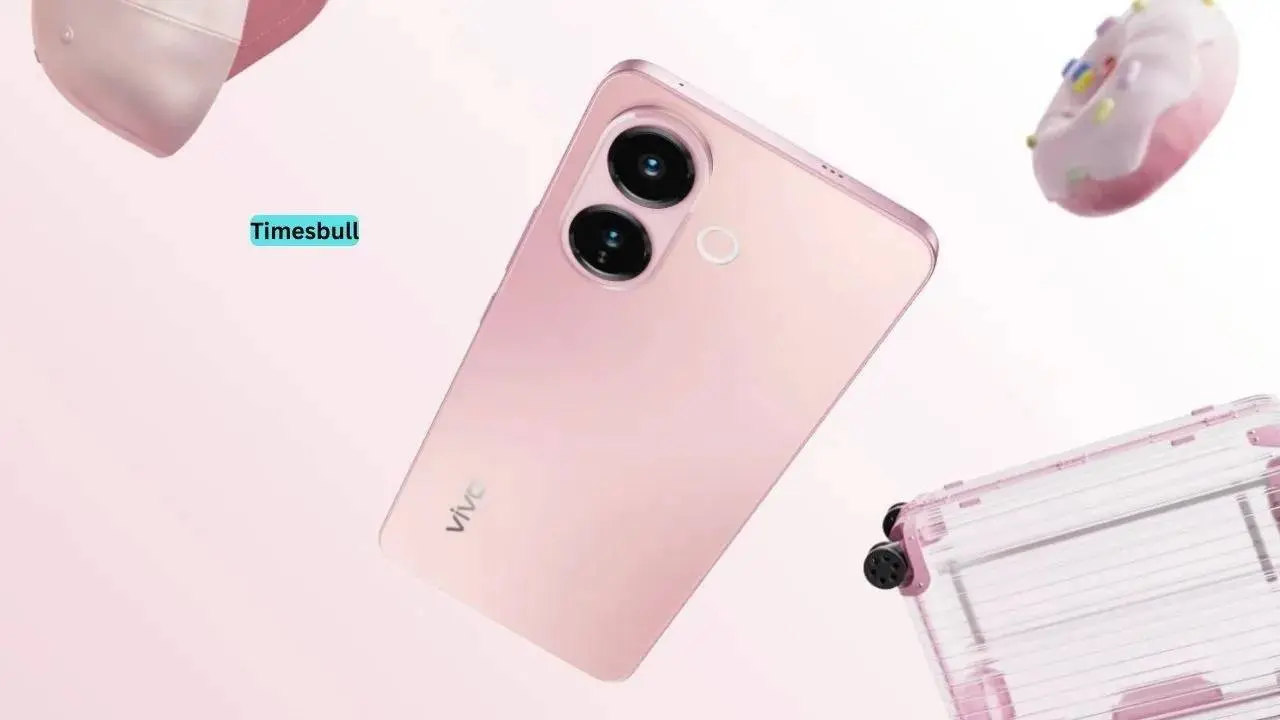
Durability went up too. IP68 and IP69 ratings cover dust, water dunking, and high-pressure jets. Drop testing stretched to 1.8 meters. Schott Xensation Core glass protects the screen from drops and scratches.
Fingerprint reader switched from optical to ultrasonic. Faster unlocks, works better with sweaty fingers, tougher to fool with photos.

Battery Claims Sound Wild
Capacity stayed at 6,500mAh using what Vivo calls "semi-solid battery technology." Sounds like buzzword nonsense until you read their temperature claims. Battery supposedly handles 10 hours of Google Maps at 40°C desert heat or 8 hours at -20°C Arctic freeze.
Whether those numbers hold up in actual testing is another question entirely. Charging hits 90W with FlashCharge. Vivo says you get 11 hours of PUBG or 5 hours recording 4K 60fps video on one charge.

Camera Setup Mixed Bag
Main sensor changed to Sony's LYT 700V at 50MP with OIS. Sensor size measures 1/1.56 inches. Telephoto stayed at 50MP using a 1/1.95-inch sensor. Ultra-wide dropped to 8MP though, which feels like a step backward.
Video recording jumped from 4K 30fps to 4K 60fps. Portrait mode offers five focal lengths from 23mm wide to 100mm tight. ZEISS bokeh effects included for people who care about that stuff.

Same Chip, Better Support
Snapdragon 7 Gen 4 returns unchanged from the V60. RAM tops at 12GB, storage maxes at 512GB. Connectivity covers dual-band Wi-Fi, Bluetooth 5.4, and USB 2.0—not 3.0 unfortunately.
Software launches on Android 16 with OriginOS 6 on top. Vivo promises six years of OS updates plus six years of security patches. The V60 only got four years of OS updates, so this is a genuine improvement.
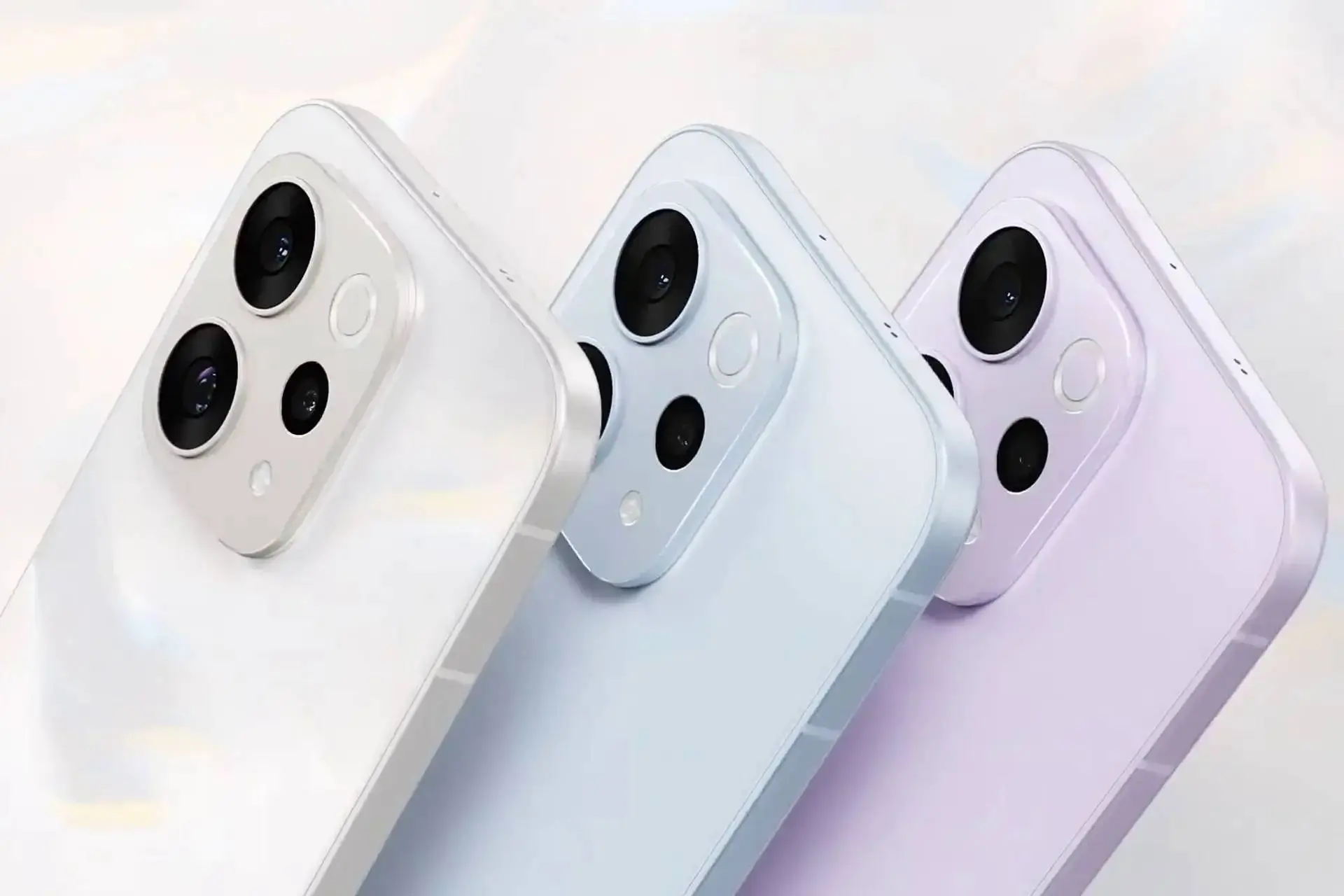
Colors are Authentic Black (the thin/light version), Canary Yellow, Alpine Gray, and Sandalwood Brown. Europe, Middle East, and Southeast Asia get it soon. No pricing announced yet.
Popular News


Latest News
Loading